American Sweetgum
Lake Bob Sandlin State Park offers a serene escape in Northeast Texas, where the distinct ecoregions of the Pineywoods and Blackland Prairie converge, creating a rich and diverse natural environment.
Lake Bob Sandlin State Park offers a serene escape in Northeast Texas, where the distinct ecoregions of the Pineywoods and Blackland Prairie converge, creating a rich and diverse natural environment. This meeting of ecosystems results in a landscape featuring towering trees, expansive grasses, and a captivating mix of plant and animal life. The park, situated on the northern shore of the 9,000-acre Lake Bob Sandlin, provides abundant opportunities for both water and land-based recreation, making it a cherished destination for outdoor enthusiasts.
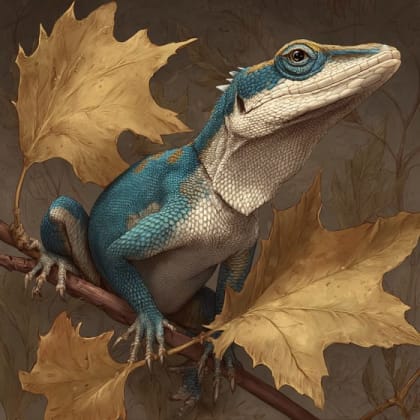
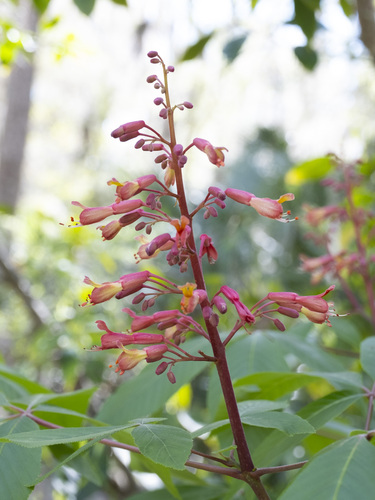
Visitors to Lake Bob Sandlin State Park can explore over 3 miles of multi-use trails, winding through wooded areas where species like American beautyberry, Red Buckeye, and American sweetgum thrive. Birdwatchers will delight in spotting a variety of avian life, including the Northern Cardinal, Tufted Titmouse, Carolina Wren, and Blue Jay, especially during migration seasons. The park's diverse habitats are also home to White-tailed Deer, Common Raccoon, and Eastern Cottontail, along with fascinating smaller creatures such as the Pond Slider and Green Anole. Fishing is a major draw, with opportunities to catch largemouth bass, crappie, and catfish from the shore, a lighted pier, or by boat. The park even stocks a Trout Pond seasonally with rainbow trout, offering a unique fishing experience.
This picturesque setting is an ideal destination for those seeking relaxation, adventure, and a deep connection with nature. Whether you're casting a line into the lake, hiking among the ancient trees, or simply observing the abundant wildlife like the magnificent bryozoan or the elusive Mexican Long-nosed Armadillo, Lake Bob Sandlin State Park offers memorable experiences. With options for camping in 75 sites with water and electricity, screened shelters, or cabins, it caters to various preferences for overnight stays, ensuring a comfortable and immersive visit. Take the ultimate field guide with you: use the Snappit app to identify birds, plants, and animals on your trip.
Lake Bob Sandlin State Park is nestled in an area with a notable past. The land was historically inhabited by the Caddo people until the mid-1800s. Fort Sherman, a Republic of Texas stockade, was established in this vicinity by 1838 to protect early settlers, and the Fort Sherman Cemetery, with its historical gravestones, can still be found within the park boundaries. From the mid-1800s through the early 1900s, the land was primarily used for farming and ranching. The reservoir itself, Lake Bob Sandlin, was formed in 1977 with the construction of the Fort Sherman Dam on Big Cypress Creek, aiming to supply water and power to the region. The lake was named after Bob Sandlin, a local businessman and president of the Titus County Fresh Water Supply District No. 1, who was a key proponent of its creation. The Texas Parks and Wildlife Department acquired tracts for the 640-acre park between 1979 and 1985, with the park officially opening after a dedication ceremony on November 12, 1987.
Fish for largemouth bass, crappie, and catfish; paddle in a rented kayak; hike or mountain bike the Lakeview Loop, Brim Pond, Homestead, or Dogwood Trails; picnic by the lake; camp overnight; and observe wildlife like White-tailed Deer and numerous bird species.
Spring & Fall: Mild weather, vibrant foliage, excellent for hiking and birdwatching, especially during migration. Trout are stocked in the pond during cooler months.
Summer: Perfect for swimming and water sports on Lake Bob Sandlin. Expect high temperatures, often reaching into the 90s.
Winter: Good for fishing, especially for rainbow trout in the stocked pond. The average low in January is around 32 degrees.
The park offers various accessible features, though it's always recommended to contact the park directly for the most up-to-date information on accessible campsites, restrooms, or trails. Some cabins are also considered limited-use.
Lake Bob Sandlin for fishing, boating, and swimming.
The 3.3 miles of multi-use hiking and biking trails.
The lighted fishing pier and seasonally stocked Trout Pond.
Fort Sherman Cemetery for historical interest.
Each card links to a full Explore page with photos, traits, and fun facts.
Start with the big picture, then zoom in to explore individual wildlife observations around this place.
Make reservations in advance
Especially for camping or day use during busy seasons, booking online or by phone ensures entry.
Bring insect repellent and sunscreen
Essential for comfort, especially during warmer months and when spending extended time outdoors.
Pack plenty of water
Stay hydrated, particularly while hiking. It's recommended to bring a quart of water per hour of activity.
Explore the trails
Don't miss the 3.3 miles of multi-use trails, including the Lakeview Loop and Brim Pond Trail, for scenic views and wildlife spotting.
Visit the lighted fishing pier
It's a popular spot for crappie and bass, and you can fish day or night (with an overnight fishing fee for after-hours access).
Look for fall foliage
If visiting in autumn, the park's hardwoods, including oak, hickory, and maple, put on a spectacular display of colors.
Jan 18, 2026
Jan 18, 2026
Jan 18, 2026
Jan 18, 2026
Jan 18, 2026

Maryland, US
You might spot White-Tailed Deer and Eastern Gray Squirrel.
View guide →
.jpg)
District of Columbia, US
You might spot Eastern Gray Squirrel, Duck, and House Sparrow.
View guide →

Illinois, US
You might spot American Robin, Canada Goose, and House Sparrow.
View guide →

Virginia, US
You might spot Spotted Lanternfly and Northern Cardinal.
View guide →
Take the discovery with you
Identify the wildlife you spot, learn as you go, and keep a collection of the adventure.