





Himalayan balsam
Impatiens glandulifera
Himalayan balsam is a tall plant with beautiful pink flowers. It loves to grow near water and can spread quickly, making it a fun plant to spot in gardens and parks!
Habitat: Wetlands
The Himalayan balsam is a tall plant with hollow, often reddish stems, distinctive large, orchid-like flowers that range from pink to purplish or white. Its helmet-shaped blossoms and serrated, lance-shaped leaves make it stand out.
Category
PlantsRarity
Common
Danger
1/5 · Very low
Snaps
Be the first to snap!
Did you know its scientific name, Impatiens, means "impatient" because of its popping seeds?
Each Himalayan balsam plant can produce thousands of seeds, making it a super speedy spreader!
It's so good at growing that it can sometimes grow several centimeters in a single day!
You can often hear a soft "pop" when its ripe seed pods burst open to scatter seeds!
Himalayan balsam can violently launch its seeds up to 7 meters, helping it rapidly spread and colonize new areas.
It produces abundant nectar in its large flowers, attracting many bees and ensuring successful pollination for reproduction.
The Himalayan balsam can grow over 3 meters tall in a single season, outcompeting native plants for sunlight.
Bombus terrestris
Collects abundant nectar, helping the plant reproduce.
Apis mellifera
A significant source of late-season nectar for honey production.
Bombus pascuorum
Attracted to its large flowers, aiding in seed production.
Flowering plants are any plants that produce flowers as part of their reproductive cycle.
Summer blooming plants produce their flowers during the summer season, often providing vibrant color when many other plants have finished.
Colorful describes organisms or objects displaying a wide range of bright and distinct colors.
Describes plants that are particularly attractive and beneficial to a wide range of pollinating organisms.

Rapid growing plants exhibit accelerated growth rates, quickly increasing in size and biomass within a short period.

This habitat trait identifies species found in wetlands, which are areas of land saturated with water, either permanently or seasonally, including marshes, swamps, and bogs.

Invasive species are non-native organisms that cause harm to the environment, economy, or human health.
Danger
1/5 · Very low
While Himalayan balsam is not harmful, it's best to avoid touching plants you don't know.
The easiest way to identify Himalayan balsam is to use the Snappit nature identifier app.
100-300 cm
30-80 cm
2-4 cm
Summer to early autumn
Yes
None
Annual
Zoom in to split clusters and explore where this object has been snapped.
Recent snaps will appear here as new observations are added.

Maine, US
You might spot American Herring Gull and Himalayan Balsam.
View guide →

Maine, US
You might spot Black Tar Spot, Norway Maple, and Himalayan Balsam.
View guide →

Maine, US
You might spot Himalayan Balsam, Snowy Egret, and New England Aster.
View guide →
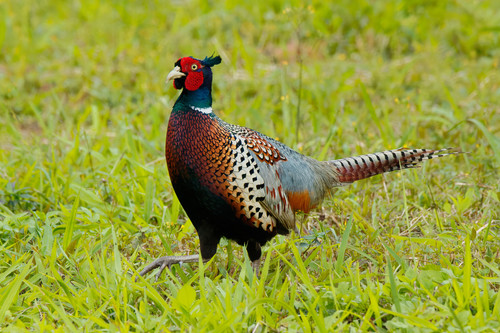
England, UK
You might spot Ring-Necked Pheasant, Goose, and Eurasian Coot.
View guide →
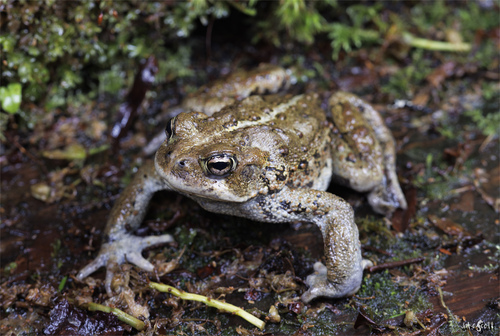
British Columbia, CA
You might spot Western Toad, Himalayan Balsam, and Western Sword Fern.
View guide →

Ontario, CA
You might spot Common Eastern Bumble Bee and Two-Spotted Bumble Bee.
View guide →
Take the discovery with you
Snap it with Snappit to identify it, learn what makes it special, and add the discovery to your collection.








.jpg&width=800)


_001.jpg&width=800)




