





Hooded Ladies' Tresses
Spiranthes romanzoffiana
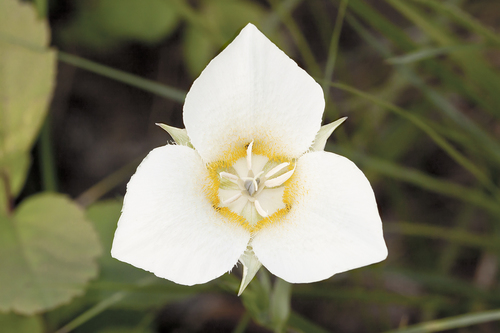
The Hooded Ladies' Tresses is a beautiful flower that grows in spirals. It has lovely white flowers that look like tiny hoods, making it a special sight in nature.
Habitat: Wetlands
The Hooded Ladies' Tresses has slender stems bearing delicate, creamy-white flowers arranged in a tight, spiraling spike. Its individual blooms are small and hooded, resembling tiny bells, creating a distinctive twisted column that sets it apart.
Category
PlantsRarity
Common
Danger
1/5 · Very low
Snaps
2
Its seeds are as fine as dust and blow on the wind like invisible speckles!
Some people believe its bloom direction can predict the severity of winter snow!
Sometimes, it takes over 10 years for a plant to grow from seed to flowering!
The 'tresses' in its name refer to the braided look of its spiraling flower stalk.
Hooded Ladies' Tresses' seeds are dust-like and need specific soil fungi to even begin to grow into a plant.
Hooded Ladies' Tresses arranges its tiny hooded flowers in a perfect spiral, making it easy for pollinators to find them.
Hooded Ladies' Tresses can sometimes go dormant underground for years, only to reappear when conditions are just right.
Bombus impatiens
Transfers pollen between flowers
Tulasnella calospora
Provides vital nutrients for growth
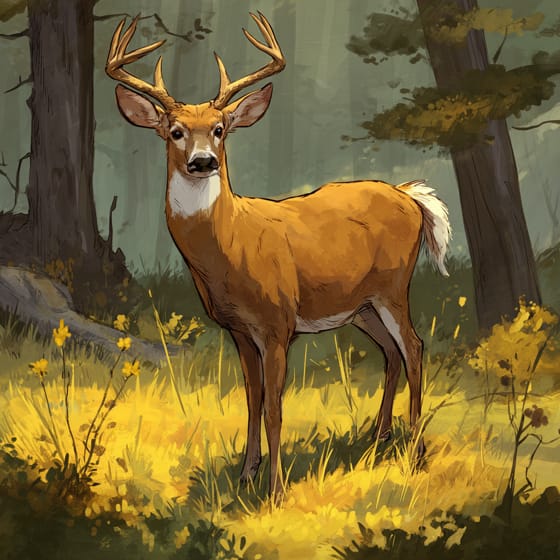
Odocoileus virginianus
Deer browse on leaves and flowers
Deroceras reticulatum
Feeds on tender leaves
Flowering plants are any plants that produce flowers as part of their reproductive cycle.
Ornamental plants are cultivated primarily for their aesthetic appeal, enhancing landscapes and gardens with their attractive foliage, flowers, or form.
Cluster flowers are inflorescences where individual flowers are arranged closely together on a common stem.
Summer blooming plants produce their flowers during the summer season, often providing vibrant color when many other plants have finished.

Fragrant flowers emit a pleasant aroma, often to attract pollinators or for defense.

Describes plants that are particularly attractive and beneficial to a wide range of pollinating organisms.

This habitat trait identifies species found in wetlands, which are areas of land saturated with water, either permanently or seasonally, including marshes, swamps, and bogs.

Threatened status denotes a species likely to become endangered in the foreseeable future without effective conservation interventions.
No aliases listed yet.
Danger
1/5 · Very low
Always look but don't pick flowers. They are best enjoyed in nature!
The easiest way to identify Hooded Ladies' Tresses is to use the Snappit nature identifier app.
10-50 cm
5-15 cm
0.5-1 cm
Late summer to early fall (August-October)
No
None
Perennial
Zoom in to split clusters and explore where this object has been snapped.
Take the discovery with you
Snap it with Snappit to identify it, learn what makes it special, and add the discovery to your collection.








.jpg&width=800)


_001.jpg&width=800)




