





Smooth Yellow Violet
Viola eriocarpa
The Smooth Yellow Violet is a bright, cheerful flower that loves to bloom in the spring. Its lovely yellow petals can brighten up any garden or meadow!
Habitat: Forests
The Smooth Yellow Violet has bright yellow, spurred flowers, often streaked with purple, held above smooth, heart-shaped to kidney-shaped leaves. Its slender stems and vibrant color distinguish it from other woodland plants.
Category
PlantsRarity
Common
Danger
1/5 · Very low
Snaps
8
Its seeds have a yummy treat for ants, who carry them far away!
Native Americans used violet leaves to make a soothing tea.
This plant produces two flowers: one for show, one for hidden, secret seeds!
You can eat its pretty yellow flowers and tender leaves in salads!
Smooth Yellow Violet grows tiny, closed flowers that self-pollinate, ensuring seeds even without insect help.
Smooth Yellow Violet has seeds with a fatty cap that ants collect and carry, helping to spread the plant.
Smooth Yellow Violet blooms early to grab sunlight and pollinators before forest trees grow their leaves.
Apis mellifera
collects nectar and pollen
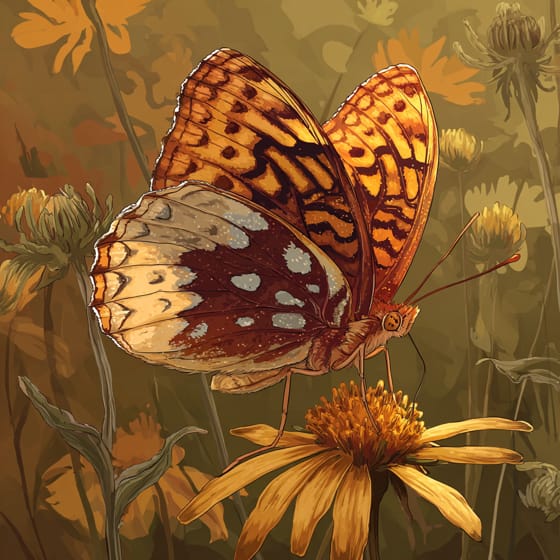
Speyeria cybele
caterpillars feed on leaves

Odocoileus virginianus
browses on foliage
Myrmica rubra
disperses seeds with elaiosomes
Flowering plants are any plants that produce flowers as part of their reproductive cycle.
Spring blooming plants produce their flowers during the spring season, often signifying the end of winter and the start of new growth.
Fragrant flowers emit a pleasant aroma, often to attract pollinators or for defense.
Edible plants are those parts of a plant that are considered safe for human consumption.

Describes plants that are particularly attractive and beneficial to a wide range of pollinating organisms.

Forest habitats are terrestrial environments dominated by dense tree cover, supporting a high diversity of plant and animal life.
No aliases listed yet.
Danger
1/5 · Very low
Always look but don't pick flowers, so they can keep growing for everyone to enjoy!
The easiest way to identify Smooth Yellow Violet is to use the Snappit nature identifier app.
10-30 cm
10-20 cm
1-2 cm
Spring
Yes
None
Perennial
Zoom in to split clusters and explore where this object has been snapped.

Massachusetts, US
You might spot Maidenhair Spleenwort and Red Trillium.
View guide →
Kentucky, US
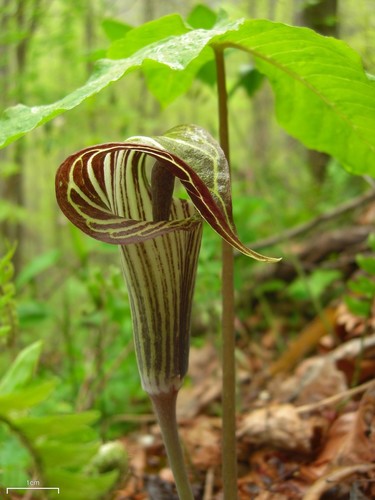
You might spot Jack-In-The-Pulpit and Prairie Trillium.
View guide →

Massachusetts, US
You might spot Red Trillium, Round-Leaved Sundew, and Pitch Pine.
View guide →

Kentucky, US
You might spot Large White Trillium and Sharp-Lobed Hepatica.
View guide →

West Virginia, US
You might spot Eastern Red-Backed Salamander and Wehrle's Salamander.
View guide →

Connecticut, US
You might spot Ilia and Umber Underwings and Large Yellow Underwing.
View guide →
Take the discovery with you
Snap it with Snappit to identify it, learn what makes it special, and add the discovery to your collection.







.jpg&width=800)


_001.jpg&width=800)



