





Hornwort
Ceratophyllum demersum
Hornworts are small, ancient plants that grow in damp places like soil, rocks, or tree bark. They don't have roots but help enrich the soil where they live.
Habitat: Wetlands
The Hornwort is a small, flat plant, often appearing as a dark green, irregularly shaped patch clinging to moist soil or rocks. It distinguishes itself with slender, horn-like capsules (sporophytes) that grow upright from its base, releasing tiny spores.
Category
PlantsRarity
Common
Danger
1/5 · Very low
Snaps
2
Hornworts are among Earth's oldest land plants, dating back over 400 million years!
Hornworts have unique internal cavities within their plant body, sometimes filled with helpful microscopic algae!
Their horn-shaped capsules can grow for weeks or even months, slowly releasing countless tiny spores!
Unlike most plants, each hornwort cell usually contains just one large, bowl-shaped chloroplast!
Hornwort can partner with tiny cyanobacteria living inside its body, which helps it capture vital nitrogen from the air for growth.
Hornwort has a single large chloroplast in each cell, unlike most plants, which efficiently captures sunlight for energy.
Hornwort can release its spores from a unique horn-shaped capsule that continuously grows, allowing it to spread offspring widely.
Nostoc punctiforme
Fixes nitrogen for hornwort's growth.
Arion vulgaris
Feeds on hornwort thalli.
Isotoma viridis
Grazes on hornwort surfaces.
This trait characterizes plants lacking specialized vascular tissues (xylem and phloem) for transporting water and nutrients.
Spore-producing organisms reproduce by releasing small, often single-celled, reproductive units called spores.
This trait signifies organisms belonging to a very old evolutionary group with ancestors dating back millions of years.
This habitat trait identifies species found in wetlands, which are areas of land saturated with water, either permanently or seasonally, including marshes, swamps, and bogs.
Danger
1/5 · Very low
Enjoy looking at hornworts, but avoid picking or touching them to let them grow peacefully.
The easiest way to identify Hornwort is to use the Snappit nature identifier app.
1-5 cm
2-10 cm
No
None
Perennial
Wetlands
Zoom in to split clusters and explore where this object has been snapped.

New York, US
You might spot White-Tailed Deer, Eastern Skunk Cabbage, and Duck.
View guide →
Indiana, US
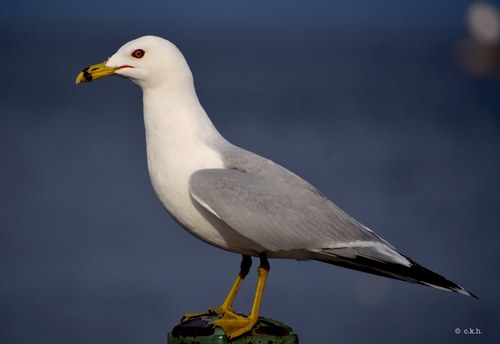
You might spot Ring-Billed Gull, Duck, and Greater White-Fronted Goose.
View guide →
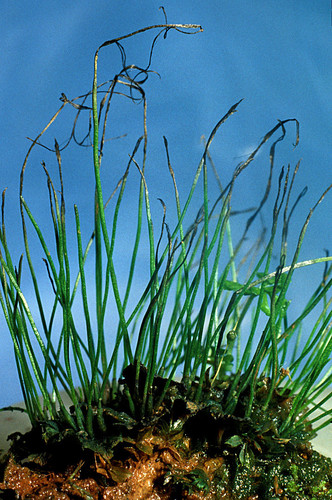
British Columbia, CA
You might spot Hornwort, Silverleaf Phacelia, and Big Rough Fescue.
View guide →
Take the discovery with you
Snap it with Snappit to identify it, learn what makes it special, and add the discovery to your collection.









.jpg&width=800)



_001.jpg&width=800)




