_Bush_(28258229394).jpg&width=800)





Marlberry
Ardisia escallonioides
Marlberry is a lovely shrub with shiny green leaves and small, bright berries. It grows in warm places and is often found in gardens and parks, adding beauty to the landscape.
Habitat: Urban areas
The Marlberry has striking, glossy dark green leaves that are long and oval-shaped. Its tiny, delicate white or pinkish flowers bloom in clusters, later transforming into abundant, bright red or purplish-black berries that stand out against the foliage.
Category
PlantsRarity
Common
Danger
1/5 · Very low
Snaps
2
Its shiny leaves look so polished, they reflect sunlight like tiny mirrors in the forest!
Marlberry flowers smell faintly like jasmine, attracting tiny flying friends for pollination!
The berries change from green to bright red, then to nearly black, all on the same plant!
This plant is a super snack bar for birds, especially during cooler months when food is scarce!
Marlberry produces tons of colorful berries that attract birds, helping spread its seeds far and wide to grow new plants.
Marlberry can grow well in shady spots, an adaptation that helps it thrive underneath taller trees in forests.
Marlberry keeps its shiny, waxy leaves all year long, helping it photosynthesize and stay strong even in winter.
Apis mellifera
Drinks nectar from its small flowers.
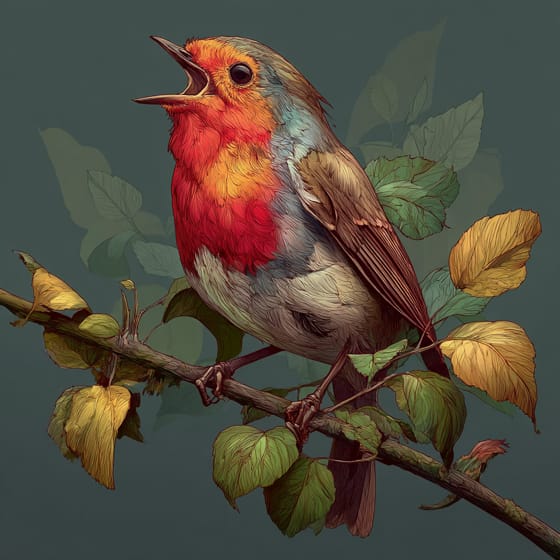
Turdus migratorius
Feasts on its ripe, red berries.
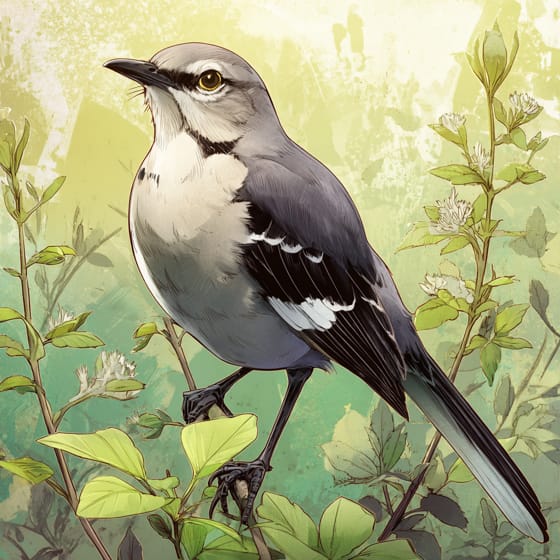
Mimus polyglottos
Eats its berries, helping to spread seeds.
Ornamental plants are cultivated primarily for their aesthetic appeal, enhancing landscapes and gardens with their attractive foliage, flowers, or form.
A shrub is a woody plant smaller than a tree, typically with multiple stems branching from or near the ground.
Evergreen plants retain their foliage throughout the year, never shedding all their leaves at once.
Fruit-bearing plants produce fruits, which are the mature ovaries of flowering plants containing seeds.

Colorful describes organisms or objects displaying a wide range of bright and distinct colors.

Describes plants that are particularly attractive and beneficial to a wide range of pollinating organisms.

This habitat trait indicates species that can coexist with humans in urban and suburban environments, utilizing man-made structures and green spaces.
No aliases listed yet.
Danger
1/5 · Very low
Always wash your hands after touching plants, and don't eat any berries unless an adult says it's safe.
The easiest way to identify Marlberry is to use the Snappit nature identifier app.
300-450 cm
150-300 cm
0.5-1 cm
Late spring to summer
Yes
None
Perennial
Zoom in to split clusters and explore where this object has been snapped.

Florida, US
You might spot Julia Heliconian, Marlberry, and White Peacock.
View guide →

Florida, US
You might spot Brown Anole, Peters's Rock Agama, and White Ibis.
View guide →

Florida, US
You might spot Brown Anole, Osprey, and White Ibis.
View guide →
Take the discovery with you
Snap it with Snappit to identify it, learn what makes it special, and add the discovery to your collection.









.jpg&width=800)



_001.jpg&width=800)



