





Puget Sound Gumweed
grindelia integrifolia
The Puget Sound Gumweed is a bright yellow flower that grows along the coast! Its sticky leaves help it survive in sandy and salty environments.
Habitat: Coastal areas and sandy beaches along the Puget Sound.
The Puget Sound Gumweed has bright yellow, daisy-like flowers with many ray petals, often appearing sticky due to its resinous buds. Its thick, lance-shaped leaves are typically green to grayish-green, standing out against coastal sands and bluffs.
Category
PlantsRarity
Common
Danger
0/5 · No known danger
Snaps
Be the first to snap!
Indigenous peoples traditionally used its resin to soothe skin irritations and insect bites.
Its name comes from the sticky sap covering its buds, which feels like chewing gum!
Its vibrant yellow flowers are like beacons, attracting many bees and butterflies for a sugary treat.
This resilient plant can often be found growing right at the edge of the ocean, facing salty sea spray!
Puget Sound Gumweed has a gooey, resinous sap that helps protect it from hungry insects and also reduces water loss in dry coastal winds.
Puget Sound Gumweed can thrive in salty coastal soils where many other plants struggle, using special adaptations to handle the tough environment.
Puget Sound Gumweed has strong roots that help stabilize sandy soils and coastal bluffs, preventing erosion from wind and waves.
Bombus melanopygus
Visits flowers for nectar and pollen.
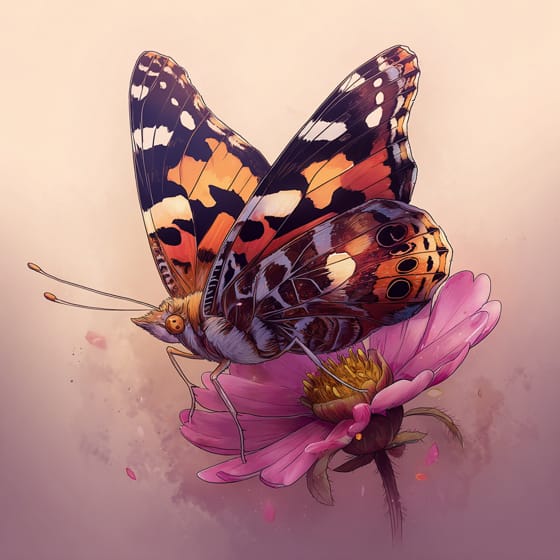
Vanessa cardui
Feeds on nectar, helping to spread pollen.

Spinus psaltria
Eats seeds from the dried flower heads.
Solitary animals live alone for most of their lives, only interacting with others for mating or parental care.
Colorful describes organisms or objects displaying a wide range of bright and distinct colors.
This trait characterizes organisms whose diet consists entirely or primarily of plant material.
Coastal habitats are dynamic environments located along the interface between land and sea, influenced by tides, waves, and saltwater.

Describes organisms that transfer pollen, enabling the fertilization and reproduction of plants.
Danger
0/5 · No known danger
No special safety notes yet.
The easiest way to identify Puget Sound Gumweed is to use the Snappit nature identifier app.
30-90 cm
30-60 cm
3-6 cm
Summer-fall
No
Mild
Perennial
Zoom in to split clusters and explore where this object has been snapped.
Recent snaps will appear here as new observations are added.
Take the discovery with you
Snap it with Snappit to identify it, learn what makes it special, and add the discovery to your collection.









.jpg&width=800)



_001.jpg&width=800)




