





Hybrid Poplar
Populus ×jackii Sarg.
The Hybrid Poplar is a fast-growing tree that provides lots of shade. It’s great for making a cool spot to play under!
Habitat: Gardens and parks
The Hybrid Poplar has a tall, often columnar shape with light grey-green bark that becomes furrowed with age. Its distinctive leaves are typically triangular or heart-shaped, bright green, and flutter easily in the breeze due to flattened stems.
Category
TreesRarity
Common
Danger
1/5 · Very low
Snaps
Be the first to snap!
Hybrid Poplars are often grown in tree farms to make paper, plywood, and even matchsticks!
Many different types of hybrid poplars exist, each bred for specific traits like disease resistance.
Some ancient civilizations used the strong, light wood of poplars for making shields and chariots.
Their fluffy seeds, released in summer, can sometimes look like it's snowing on a warm day.
Hybrid Poplar can grow several feet in a year, quickly providing shade and timber due to its rapid growth rate.
Hybrid Poplar has a high capacity to absorb carbon dioxide and some air pollutants, helping to clean the air.
Hybrid Poplar can absorb large amounts of water from the soil, making it useful in wet areas.
Hybrid Poplar has flattened leaf stems that make its leaves rustle and whisper with the slightest breeze.

Odocoileus virginianus
browses young shoots and bark
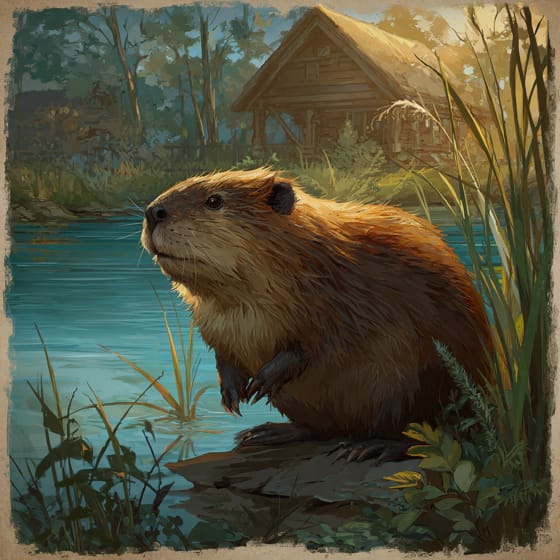
Castor canadensis
fells trees for food and dams
Malacosoma americanum
larvae feed on the leaves
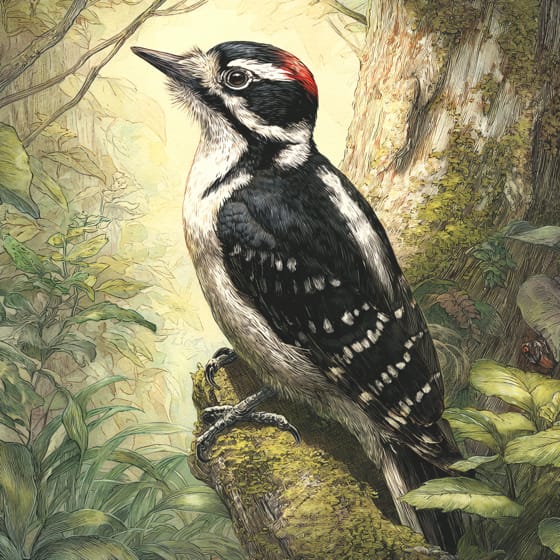
Picoides villosus
excavates nests in decaying wood
Deciduous plants periodically shed all their leaves, typically during autumn or dry seasons.
Shade tolerant plants are adapted to grow and thrive in areas with low light levels, requiring less direct sunlight.
Broadleaf trees are angiosperms characterized by flat, wide leaves that are typically shed annually in temperate climates.
Rapid growing plants exhibit accelerated growth rates, quickly increasing in size and biomass within a short period.

This habitat trait indicates species that can coexist with humans in urban and suburban environments, utilizing man-made structures and green spaces.
Danger
1/5 · Very low
Do not pick or eat anything you find. Some plants and mushrooms can be harmful.
The easiest way to identify Hybrid Poplar is to use the Snappit nature identifier app.
20-35 m
8-15 m
No
40-80 cm
30-60 years
Gardens and parks
Capsules
Zoom in to split clusters and explore where this object has been snapped.
Recent snaps will appear here as new observations are added.
Take the discovery with you
Snap it with Snappit to identify it, learn what makes it special, and add the discovery to your collection.










