





Iberian Scarce Swallowtail
Iphiclides feisthamelii
The Iberian Scarce Swallowtail is a beautiful butterfly with striking yellow and black stripes. It flutters gracefully in gardens and meadows, bringing joy to anyone who sees it!
Habitat: Grasslands
The Iberian Scarce Swallowtail has striking pale yellow wings marked with bold black stripes, including distinctive tiger-like patterns. Its hindwings feature long, slender tails and a vibrant blue 'eyelid' spot outlined in black and orange, making it easily distinguishable.
Category
InsectsRarity
Common
Danger
1/5 · Very low
Snaps
Be the first to snap!
It changes completely, from a tiny egg to a caterpillar, then a chrysalis!
Its scientific name, Iphiclides feisthamelii, honors a French entomologist.
The caterpillars mimic bird droppings to hide from hungry predators!
This butterfly can have two or three generations in just one year!
Iberian Scarce Swallowtail can drink nectar with a long proboscis that helps them reach deep inside flowers for sugary fuel.
Iberian Scarce Swallowtail has strong, broad wings that help them navigate landscapes and escape predators with quick, erratic movements.
Iberian Scarce Swallowtail can lay eggs precisely on specific host plants because of chemoreceptors on its legs that detect the right leaves.
Adults sip flower nectar; caterpillars munch on the leaves of specific trees and shrubs.
Age differences: Larvae eat leaves of trees and shrubs, while adults only drink nectar from flowers.

Prunus spinosa
Larvae feed exclusively on its leaves to grow and develop.
Prunus persica
Caterpillars munch on its leaves, sometimes found in orchards.
Rubus fruticosus
Adults visit its flowers, sipping nectar and spreading pollen.
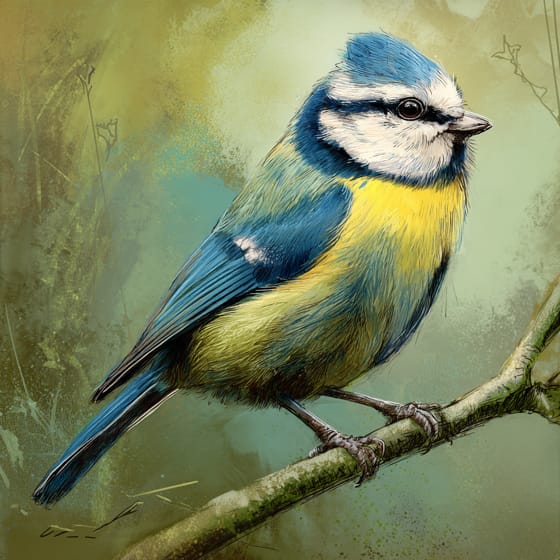
Cyanistes caeruleus
Adult butterflies can become a meal for hungry insectivorous birds.
Marked with parallel bands or lines of color.
Aerial creatures spend a significant portion of their lives airborne, utilizing flight for various activities such as hunting, migration, or nesting.
Colorful describes organisms or objects displaying a wide range of bright and distinct colors.
Grassland habitats are terrestrial biomes dominated by grasses and herbaceous plants, supporting a variety of grazing animals.

This trait characterizes organisms whose diet consists entirely or primarily of plant material.

Describes plants that are particularly attractive and beneficial to a wide range of pollinating organisms.

Diurnal animals are primarily active during daylight hours, typically resting or sleeping at night.

This trait identifies organisms that exhibit exceptional swiftness in movement for hunting, escape, or travel.

Describes organisms that transfer pollen, enabling the fertilization and reproduction of plants.
No aliases listed yet.
Danger
1/5 · Very low
Butterflies are gentle and safe to watch, but don't try to catch them.
The easiest way to identify Iberian Scarce Swallowtail is to use the Snappit nature identifier app.
60-80 mm
25-40 mm
10-30 days
15 km/h
Adults sip flower nectar; caterpillars munch on the leaves of specific trees and shrubs.
Grasslands
Foraging
Zoom in to split clusters and explore where this object has been snapped.
Recent snaps will appear here as new observations are added.
Take the discovery with you
Snap it with Snappit to identify it, learn what makes it special, and add the discovery to your collection.






.jpg&width=800)



