


Iceland Moss
Cetraria islandica
Iceland Moss is a unique plant that grows in cold, rocky areas. It's not really a moss but a lichen that can survive harsh conditions. People use it in traditional medicine and cooking.
Habitat: Mountain regions
The Iceland Moss is a unique, shrubby lichen with flattened, branched lobes that range from greenish-brown when wet to brittle, brownish-gray when dry. Its intricate, tufted structure often has reddish-brown tips, making it distinct from true mosses or other ground covers.
Category
FungiRarity
Common
Danger
1/5 · Very low
Snaps
Be the first to snap!
It can survive extreme cold and even being buried under snow for months!
It's actually a lichen, a super team of fungus and algae living together!
People once used it to make dyes for coloring wool vibrant shades.
Reindeer and caribou rely on Iceland Moss as a vital winter survival food.
Iceland Moss can absorb moisture directly from the air and rain, helping it stay hydrated even in dry, windy environments.
It can dry out almost completely and then rehydrate when moisture returns, allowing it to thrive in harsh, freezing polar regions.
Iceland Moss gets all its energy from sunlight and nutrients from the air and rain, so it doesn't need soil to grow.
Rangifer tarandus
A crucial winter food source
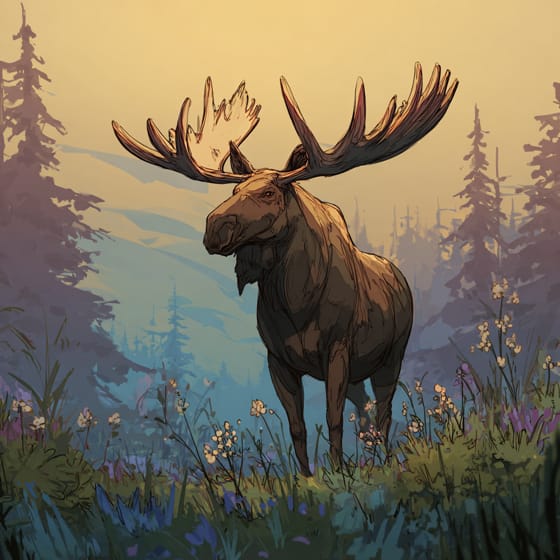
Alces alces
Occasionally browses on it
Ovis aries
Grazed by sheep in some regions
This trait describes a composite organism resulting from a symbiotic association between a fungus and a photosynthetic partner, typically an alga or cyanobacterium.
Shade tolerant plants are adapted to grow and thrive in areas with low light levels, requiring less direct sunlight.
Cold hardy plants are able to withstand low temperatures and freezing conditions without significant damage.
Medicinal plants possess chemical compounds that can be used for therapeutic purposes to treat illnesses or maintain health.

Drought-tolerant plants can survive and flourish in conditions with limited water availability.

Edible plants are those parts of a plant that are considered safe for human consumption.

This habitat trait identifies species found in mountainous regions, characterized by high elevation, steep slopes, and varying climate zones.
Danger
1/5 · Very low
Iceland Moss is safe to touch but should not be eaten without adult supervision.
The easiest way to identify Iceland Moss is to use the Snappit nature identifier app.
3-10 cm
Yes
None
Perennial
Mountain regions
Zoom in to split clusters and explore where this object has been snapped.
Recent snaps will appear here as new observations are added.
Take the discovery with you
Snap it with Snappit to identify it, learn what makes it special, and add the discovery to your collection.