.jpg&width=800)





Idiobates Castaneus
idiobates castaneus
The Idiobates Castaneus is a fascinating little creature that loves to hide under leaves! It's known for its unique colors and patterns that help it blend into its surroundings.
Habitat: Forests and damp areas
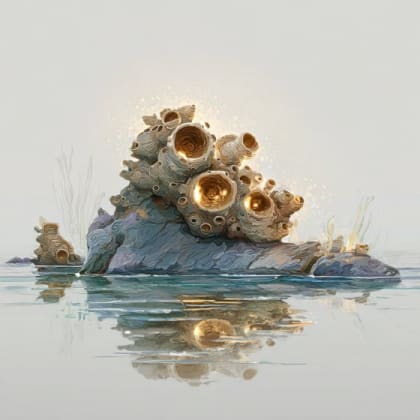
The Idiobates Castaneus is a tiny, dark reddish-brown mite with a hard, globular body resembling a miniature polished seed. It has eight short legs and a sturdy, protective shell that gives it a beetle-like appearance, distinct from other soft-bodied mites.
Category
InvertebrateRarity
Common
Danger
1/5 · Very low
Snaps
Be the first to snap!
Idiobates Castaneus can carry tiny fungal spores, helping to spread them through the forest.
Their tough outer shell allows them to survive long, dry periods buried in the soil.
These mites often live for several years, which is incredibly ancient for a tiny mite!
When scared, some of these mites can play dead, looking just like a speck of dirt!
Idiobates Castaneus has an exceptionally hard, dark exoskeleton that protects it from predators and harsh conditions, making it very resilient.
Idiobates Castaneus can digest tough dead plant matter, breaking it down into nutrients for soil because of special enzymes.
Its dark, earthy coloration helps Idiobates Castaneus blend perfectly with leaf litter and soil, making it hard to spot.
These tiny mites mostly munch on decaying leaves and fungi, helping to recycle nutrients.
Pterostichus melanarius
Beetle larvae prey on small soil invertebrates.
Formica rufa
Ants forage widely and consume small invertebrates.
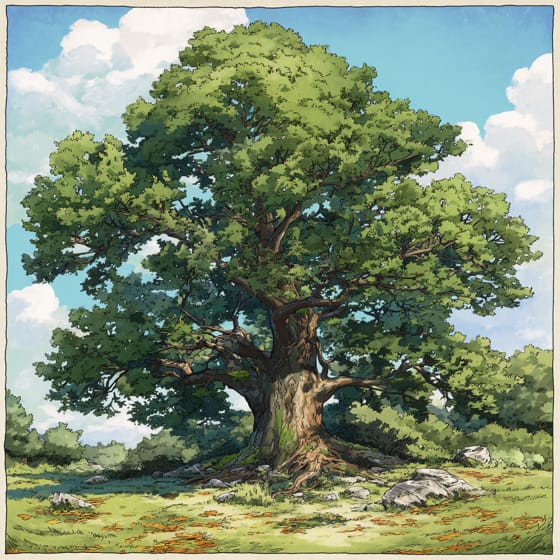
Quercus robur
Lives in leaf litter provided by fallen oak leaves.
Trametes versicolor
Consumes decaying fungal matter in its habitat.
Solitary animals live alone for most of their lives, only interacting with others for mating or parental care.
Camouflaged describes organisms that possess coloring or patterns that allow them to blend into their environment.
Colorful describes organisms or objects displaying a wide range of bright and distinct colors.
This trait characterizes organisms whose diet consists entirely or primarily of plant material.

Nocturnal animals are primarily active during the nighttime hours, typically resting or sleeping during the day.
Danger
1/5 · Very low
Always observe from a distance and do not touch wild animals.
The easiest way to identify Idiobates Castaneus is to use the Snappit nature identifier app.
0.5 mm
0.002 mg
1.5 years
These tiny mites mostly munch on decaying leaves and fungi, helping to recycle nutrients.
Forests and damp areas
Foraging
Zoom in to split clusters and explore where this object has been snapped.
Recent snaps will appear here as new observations are added.
Take the discovery with you
Snap it with Snappit to identify it, learn what makes it special, and add the discovery to your collection.