





Japanese Quince
Chaenomeles japonica
Japanese Quince is a lovely shrub that blooms with bright flowers in spring. Its fruits are small and can be used to make tasty jams and jellies!
Habitat: Urban areas
The Japanese Quince is a dense, thorny shrub known for its vibrant, cup-shaped flowers. These often appear in bright reds, oranges, and pinks, even before its leaves fully emerge. Its small, apple-like fruits ripen to a golden-yellow.
Category
PlantsRarity
Common
Danger
1/5 · Very low
Snaps
Be the first to snap!
Despite its name, it's not a 'true' quince, but a close cousin from a different plant genus!
Its super tart fruits are packed with pectin, making them perfect for jellies!
Japanese Quince can be shaped into beautiful, miniature bonsai trees, even with its thorns!
Some varieties are so tough, they can bloom in winter, adding cheer to snowy gardens!
Japanese Quince has sharp thorns on its branches that help protect it from hungry animals seeking a snack.
This plant can bloom in very early spring, often while snow is still on the ground, attracting early pollinators.
Its tart, fragrant fruits provide a valuable food source, especially for birds, during late fall.
Apis mellifera
Pollinates early spring flowers.
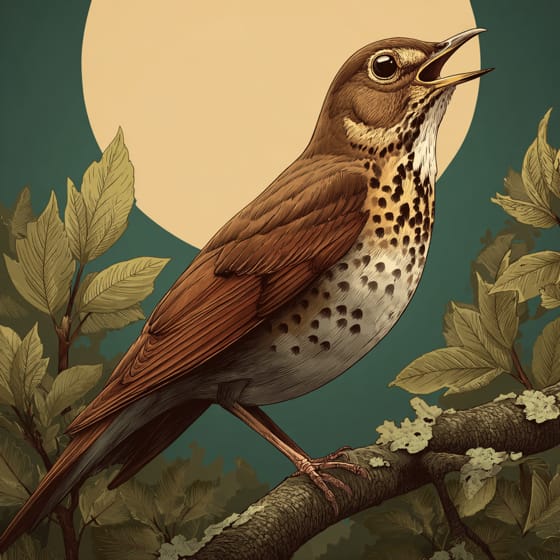
Turdus philomelos
Birds eat the ripe, fallen fruits.
Prunella modularis
Dense, thorny branches provide safe nesting sites.
Deciduous plants periodically shed all their leaves, typically during autumn or dry seasons.
Flowering plants are any plants that produce flowers as part of their reproductive cycle.
A shrub is a woody plant smaller than a tree, typically with multiple stems branching from or near the ground.
Spring blooming plants produce their flowers during the spring season, often signifying the end of winter and the start of new growth.

Fragrant flowers emit a pleasant aroma, often to attract pollinators or for defense.

Fruit-bearing plants produce fruits, which are the mature ovaries of flowering plants containing seeds.

Colorful describes organisms or objects displaying a wide range of bright and distinct colors.

Edible plants are those parts of a plant that are considered safe for human consumption.

Describes plants that are particularly attractive and beneficial to a wide range of pollinating organisms.

This habitat trait indicates species that can coexist with humans in urban and suburban environments, utilizing man-made structures and green spaces.
No aliases listed yet.
Danger
1/5 · Very low
Always be careful around plants and avoid eating anything you find outside without asking an adult.
The easiest way to identify Japanese Quince is to use the Snappit nature identifier app.
100-200 cm
100-250 cm
2-4 cm
Early Spring (February-April)
Yes
None
Perennial
Zoom in to split clusters and explore where this object has been snapped.
Recent snaps will appear here as new observations are added.
Take the discovery with you
Snap it with Snappit to identify it, learn what makes it special, and add the discovery to your collection.







.jpg&width=800)


_001.jpg&width=800)



