





Japanese snowball
Viburnum plicatum
The Japanese snowball is a beautiful shrub that blooms with fluffy white flowers in spring. Its round shape and bright green leaves make it a lovely addition to gardens and parks.
Habitat: Urban areas
The Japanese snowball has distinctive globe-shaped clusters of pure white, sterile flowers that resemble snowballs. Its deep green, heavily pleated leaves are arranged in an attractive tiered pattern, creating a beautiful display in late spring.
Category
PlantsRarity
Common
Danger
1/5 · Very low
Snaps
2
Its 'snowball' flowers are mostly sterile, meaning they won't make seeds!
Some varieties of this plant have been grown in gardens for hundreds of years!
The scientific name, 'plicatum', means 'pleated' or 'folded', describing its interesting leaves.
These beautiful shrubs were first brought to Europe from Japan in the mid-1800s.
Japanese snowball has large, showy sterile flowers that act as a visual beacon, guiding insects to smaller fertile flowers for pollination.
Its branches grow in unique horizontal layers, maximizing exposure for all its leaves to capture sunlight efficiently.
This plant can produce small, red berries that attract birds, helping to spread its seeds far and wide to new locations.
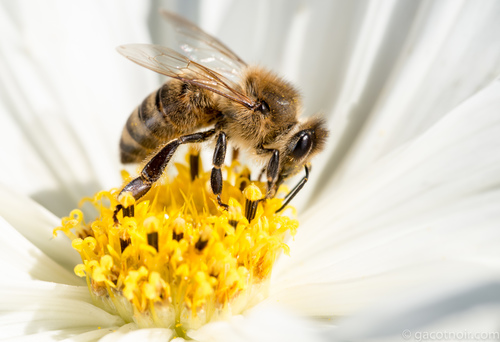
Apis mellifera
Gathers nectar and pollen from its flowers.

Bombus impatiens
Visits flowers for nectar, helping with reproduction.
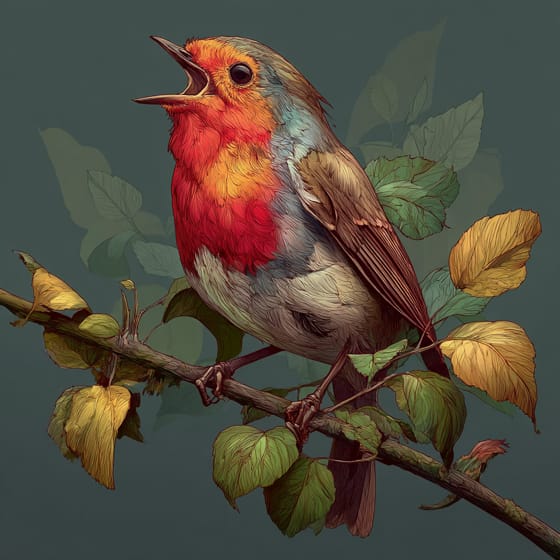
Turdus migratorius
Eats the small, red berries produced by some varieties.
Formica subsericea
Often finds refuge near the shrub's base and roots.
Deciduous plants periodically shed all their leaves, typically during autumn or dry seasons.
Flowering plants are any plants that produce flowers as part of their reproductive cycle.
Cluster flowers are inflorescences where individual flowers are arranged closely together on a common stem.
A shrub is a woody plant smaller than a tree, typically with multiple stems branching from or near the ground.

Spring blooming plants produce their flowers during the spring season, often signifying the end of winter and the start of new growth.

Fall color refers to the seasonal change in foliage pigmentation, primarily in deciduous plants, displaying vibrant hues.

Describes plants that are particularly attractive and beneficial to a wide range of pollinating organisms.

This habitat trait indicates species that can coexist with humans in urban and suburban environments, utilizing man-made structures and green spaces.
No aliases listed yet.
Danger
1/5 · Very low
Always stay on paths when exploring gardens and don't pick flowers without permission.
The easiest way to identify Japanese snowball is to use the Snappit nature identifier app.
150-300 cm
150-300 cm
1-2.5 cm
Late spring to early summer
No
None
Perennial
Zoom in to split clusters and explore where this object has been snapped.

Pennsylvania, US
You might spot White-Tailed Deer and Mile-A-Minute Weed.
View guide →

Ohio, US
You might spot Eastern Newt, Eastern Hemlock, and American Cancer-Root.
View guide →
Massachusetts, US
You might spot Bee, Common Eastern Bumble Bee, and Sweet Pepperbush.
View guide →
Virginia, US
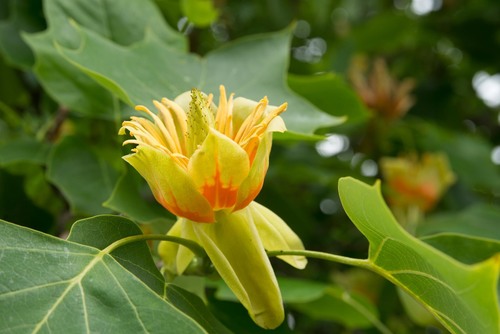
You might spot American Tuliptree and Japanese Snowball.
View guide →
Take the discovery with you
Snap it with Snappit to identify it, learn what makes it special, and add the discovery to your collection.






.jpg&width=800)



_001.jpg&width=800)




