





Ladder-Backed Woodpecker
dryobates scalaris
The Ladder-Backed Woodpecker is a small, lively bird that loves to peck on trees. Its unique ladder-like markings on the back make it easy to recognize!
Habitat: Ladder-Backed Woodpeckers live in dry, open woodlands and scrub areas, often near cacti.
The Ladder-Backed Woodpecker has a striking black-and-white striped head and a back patterned like a ladder. Males have a small red cap, while females have an all-black crown. It's smaller than many other woodpeckers.
Category
BirdsRarity
Common
Danger
1/5 · Very low
Snaps
7
Sometimes they visit backyard feeders for suet, a fatty bird treat!
Their tiny brains are perfectly safe, even after pecking wood 10 times a second!
These tiny woodpeckers often make nests right inside giant saguaro cacti!
They will even nest in fence posts or telephone poles when trees are scarce.
Ladder-Backed Woodpecker has a special skull that absorbs shock, protecting its brain while pecking hard.
Ladder-Backed Woodpecker can cling vertically to trees and cacti using two forward-facing and two backward-facing toes.
Ladder-Backed Woodpecker has a long, barbed tongue that reaches deep into bark to snatch hidden insects.
They mostly eat insects found in bark, but also enjoy seeds and juicy cactus fruit.
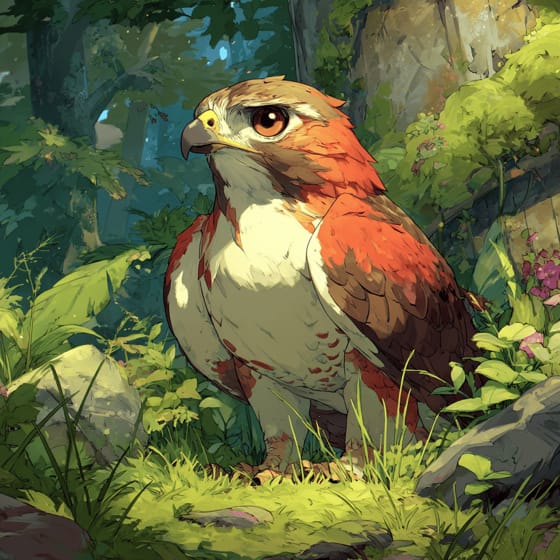
Buteo jamaicensis
Young woodpeckers can be snatched by large birds of prey.
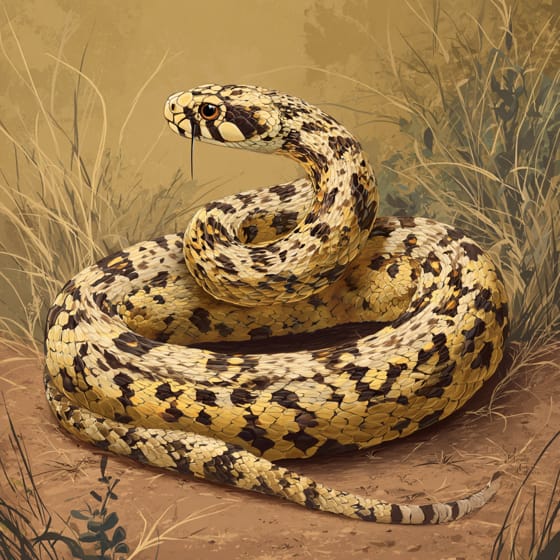
Pituophis catenifer
These snakes may climb trees to raid woodpecker nests.

Carnegiea gigantea
They carve nest cavities into the tall, thick stems of saguaros.
.jpg&width=800)
Buprestis aurulenta
They forage for the larvae of wood-boring beetles under tree bark.
Social animals live in organized groups, cooperating for survival benefits such as foraging, defense, and raising offspring.
Arboreal animals live primarily in trees, utilizing them for shelter, food, and protection from predators.
Colorful describes organisms or objects displaying a wide range of bright and distinct colors.
This trait identifies organisms whose diet consists entirely or primarily of animal tissue.

Diurnal animals are primarily active during daylight hours, typically resting or sleeping at night.
Danger
1/5 · Very low
No special safety notes yet.
The easiest way to identify Ladder-Backed Woodpecker is to use the Snappit nature identifier app.
16-18 cm
25-30 cm
0.02-0.04 kg
5-7 years
35 km/h
They mostly eat insects found in bark, but also enjoy seeds and juicy cactus fruit.
Ladder-Backed Woodpeckers live in dry, open woodlands and scrub areas, often near cacti.
Zoom in to split clusters and explore where this object has been snapped.

Arizona, US
You might spot Northern Cardinal, Engelmann's Hedgehog Cactus, and Queen.
View guide →

New Mexico, US
You might spot White-Winged Dove and Silverleaf Nightshade.
View guide →

New Mexico, US
You might spot Duck, Greater Roadrunner, and American Robin.
View guide →

New Mexico, US
You might spot Wood Duck, Duck, and Canada Goose.
View guide →

New Mexico, US
You might spot Soaptree Yucca and White-Winged Dove.
View guide →

Texas, US
You might spot Brewer's Blackbird and Texas Sandsheet Beebalm.
View guide →
Take the discovery with you
Snap it with Snappit to identify it, learn what makes it special, and add the discovery to your collection.




.jpg&width=800)








