.jpg&width=800)





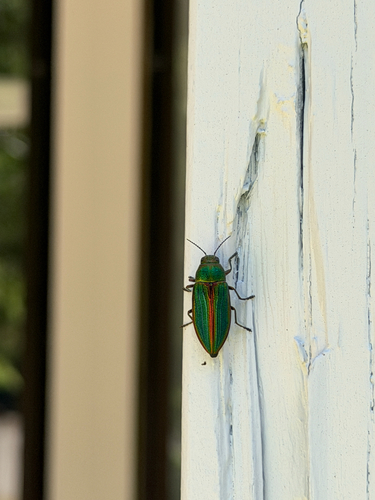
Golden Buprestid Beetle
Buprestis aurulenta
The Golden Buprestid Beetle is a shiny, golden insect that loves to hide in trees. It has a beautiful metallic color that sparkles in the sunlight, making it a special little creature to find in nature.
Habitat: Forests
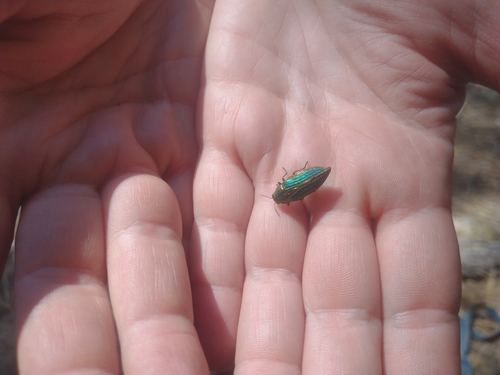
The Golden Buprestid Beetle is a dazzling insect, famous for its brilliant, metallic, golden-green to coppery-red body that shimmers in the light. Its elongated, flattened shape and iridescent shell make it look like a living jewel, distinctly different from duller forest beetles.
Category
InsectsRarity
Common
Danger
1/5 · Very low
Snaps
3
Females sniff out burnt or damaged trees using special sensors to lay their eggs.
Its larvae can eat wood so quickly, you can sometimes hear them chewing inside logs!
They can even be tricked by solar panels, mistaking them for water to drink!
This beetle holds a record for emerging from furniture after an incredible 28 years!
Golden Buprestid Beetles have a dazzling, iridescent shell that helps them camouflage among sunlit leaves and bark, making them harder for predators to spot.
Golden Buprestid Beetle larvae can withstand extreme heat because of their special physiology that helps them survive in sun-baked, decaying wood.
Golden Buprestid Beetle larvae can tunnel deep into wood because of powerful mandibles that help them create intricate galleries for feeding and development.
Adults sip nectar and tree sap, while their amazing larvae munch on dead conifer wood!
Age differences: Larvae bore into and feed on dead conifer wood, while adults feed on tree sap and nectar.
Pseudotsuga menziesii
Larvae bore into and feed on its dead wood.
Pinus ponderosa
Primary food source for larvae in dead wood.
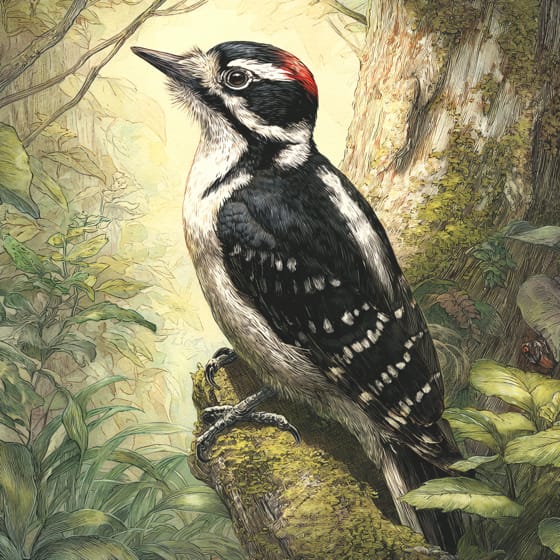
Picoides villosus
Woodpeckers extract larvae from dead trees.
Solitary animals live alone for most of their lives, only interacting with others for mating or parental care.
Colorful describes organisms or objects displaying a wide range of bright and distinct colors.
This trait characterizes organisms whose diet consists entirely or primarily of plant material.
Describes plants that are particularly attractive and beneficial to a wide range of pollinating organisms.

Describes organisms that break down dead organic material, recycling nutrients back into the ecosystem.

Forest habitats are terrestrial environments dominated by dense tree cover, supporting a high diversity of plant and animal life.

Diurnal animals are primarily active during daylight hours, typically resting or sleeping at night.

Pertaining to species that are significantly smaller than typical or average for their kind.

This trait identifies organisms that exhibit exceptional swiftness in movement for hunting, escape, or travel.

Describes organisms that transfer pollen, enabling the fertilization and reproduction of plants.
No aliases listed yet.
Danger
1/5 · Very low
Be gentle and watch where you step in nature to protect tiny creatures like beetles.
The easiest way to identify Golden Buprestid Beetle is to use the Snappit nature identifier app.
30-45 mm
15-22 mm
730-3650 days
15 km/h
Adults sip nectar and tree sap, while their amazing larvae munch on dead conifer wood!
Forests
Foraging
Zoom in to split clusters and explore where this object has been snapped.
Jun 11, 2026
Lower Cushman DamPhoto attribution
no rights reserved
License: CC0 1.0 ↗
Image may be shown cropped inside the card frame.
Aug 1, 2023
Sun Pass State ForestPhoto attribution
no rights reserved
License: CC0 1.0 ↗
Image may be shown cropped inside the card frame.

Washington, US
You might spot Barrow's Goldeneye and Pacific Banana Slug.
View guide →

Oregon, US
You might spot Fir Dwarf-Mistletoe, Sugar Pine, and Woodland Pinedrops.
View guide →
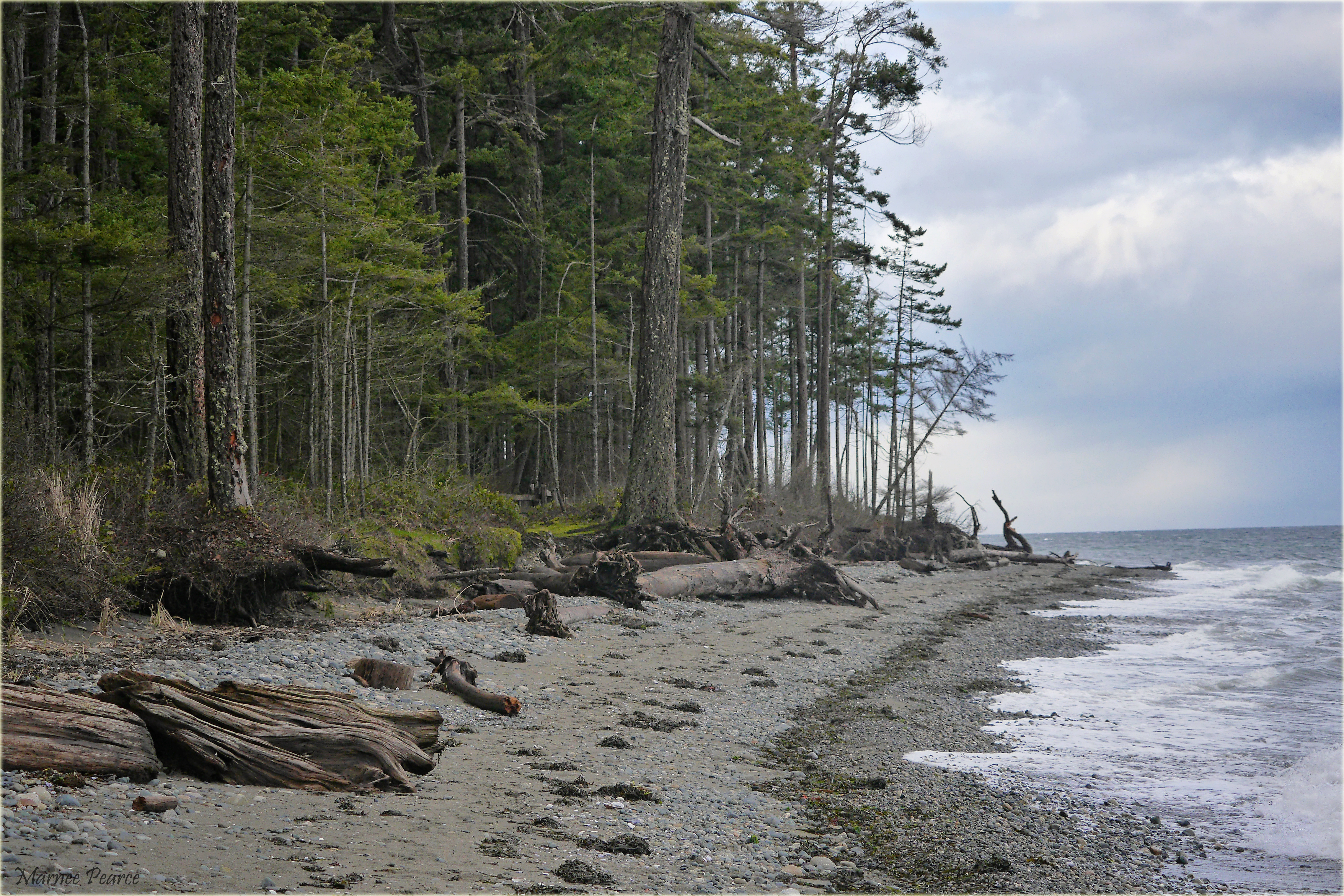
British Columbia, CA
You might spot European Rabbit, Yellow Shore Crab, and Nootka Rose.
View guide →
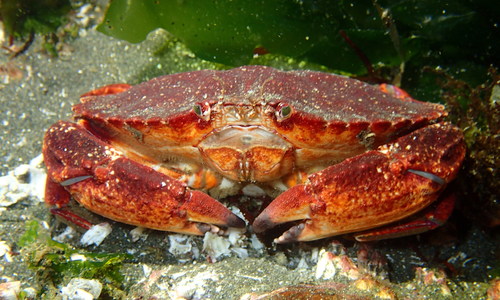
British Columbia, CA
You might spot Red Rock Crab, Dungeness Crab, and Salal.
View guide →
Take the discovery with you
Snap it with Snappit to identify it, learn what makes it special, and add the discovery to your collection.







.jpg&width=800)


