





Lampropeltis Getula Floridana
lampropeltis getula floridana
The Lampropeltis Getula Floridana, also known as the Florida Kingsnake, is a beautiful snake that can often be found basking in the sun. This friendly reptile is known for its striking patterns and is a great helper in controlling pests in the environment.
Habitat: Florida's forests, grasslands, and wetlands.
The Lampropeltis Getula Floridana is a slender snake adorned with bright yellow or cream bands and black or dark brown blotches, often creating a chain-like pattern. Its smooth, glossy scales give it a distinct shimmer, setting it apart visually.
Category
ReptilesRarity
Common
Danger
0/5 · No known danger
Snaps
Be the first to snap!
Despite being named 'King,' this snake is completely non-venomous and harmless to humans!
Kingsnakes are super helpers, eating pesky rodents that bother farms and homes!
They are amazing masters of disguise, their patterns help them blend perfectly into their surroundings!
When scared, a kingsnake might roll into a ball, hiding its head to confuse predators!
Lampropeltis Getula Floridana has a special resistance that helps them safely eat venomous snakes without harm.
Lampropeltis Getula Floridana can constrict its prey because of its strong muscles, which helps them overpower meals.
Some kingsnakes can vibrate their tails like a rattlesnake, which helps them scare away potential predators.
Lampropeltis Getula Floridana can squeeze through tiny cracks and burrows because of its slender body and smooth scales.
This hungry snake eats rodents, birds, eggs, lizards, and even other snakes!
Peromyscus gossypinus
Primary food for this snake in its natural habitat.
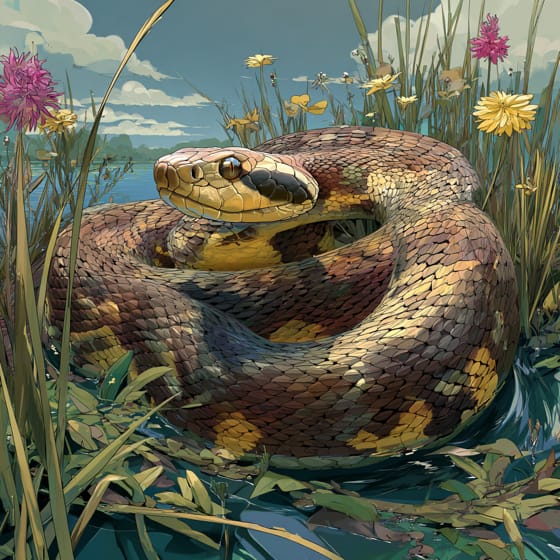
Agkistrodon piscivorus
Fearlessly preys on this venomous snake, thanks to its immunity.
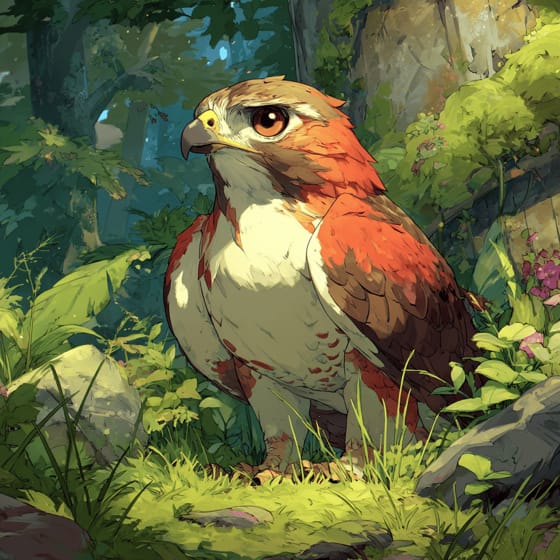
Buteo jamaicensis
Young kingsnakes are sometimes hunted by this powerful bird.
Coluber constrictor
One of the various non-venomous snakes it preys upon.
Solitary animals live alone for most of their lives, only interacting with others for mating or parental care.
Colorful describes organisms or objects displaying a wide range of bright and distinct colors.
This trait identifies organisms whose diet consists entirely or primarily of animal tissue.
Diurnal animals are primarily active during daylight hours, typically resting or sleeping at night.
Danger
0/5 · No known danger
Always observe snakes from a safe distance!
The easiest way to identify Lampropeltis Getula Floridana is to use the Snappit nature identifier app.
90-180 cm
0.5-1.5 kg
10-20 years
2 km/h
This hungry snake eats rodents, birds, eggs, lizards, and even other snakes!
0.5 km/h
Florida's forests, grasslands, and wetlands.
Zoom in to split clusters and explore where this object has been snapped.
Recent snaps will appear here as new observations are added.
Take the discovery with you
Snap it with Snappit to identify it, learn what makes it special, and add the discovery to your collection.














