





Large Carpenter Bees
xylocopa
Large Carpenter Bees are amazing insects that love to buzz around flowers! They are known for their big, fuzzy bodies and the important role they play in pollinating plants.
Habitat: Large Carpenter Bees are commonly found in gardens, forests, and areas with plenty of flowering plants.
The Large Carpenter Bees is a big, robust bee, often with a shiny, hairless black or metallic blue-black abdomen. Its thorax is usually covered in dense yellow or orange hairs, contrasting with its smooth body. This bee is visually distinct from bumblebees due to its smooth, often iridescent abdomen.
Category
InsectsRarity
Common
Danger
1/5 · Very low
Snaps
Be the first to snap!
Carpenter bees make 'bee bread' from pollen and nectar to feed their young!
Male carpenter bees have a yellow patch on their face and cannot sting!
Some flowers only release pollen when a carpenter bee vibrates them loudly!
They tunnel deep into wood, creating homes several feet long for their young!
Large Carpenter Bees can vibrate their flight muscles rapidly because this helps them release pollen from certain flowers.
Large Carpenter Bees can cut a hole at the base of flowers because this helps them access nectar without pollinating.
Large Carpenter Bees has powerful wings that help them carry heavy loads of pollen and nectar over long distances.
Carpenter bees drink nectar for energy and collect pollen to feed their babies.
Passiflora incarnata
Spreads pollen for fruit.

Wisteria sinensis
Helps these flowering vines reproduce.
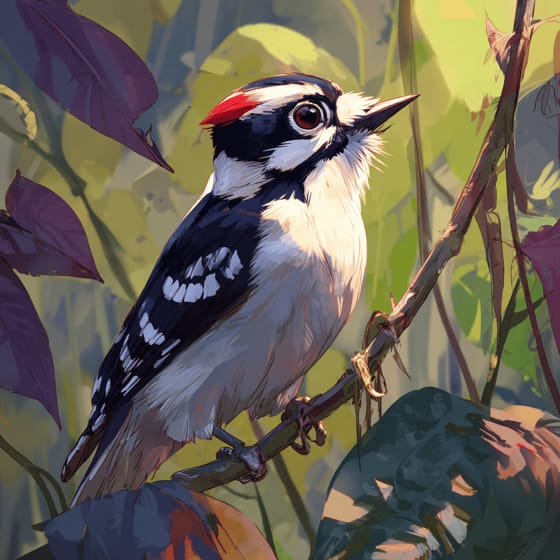
Dryobates pubescens
Feeds on larvae in wood nests.
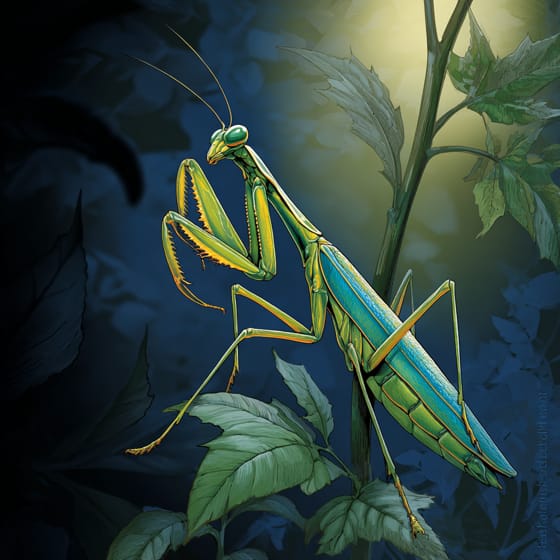
Mantis religiosa
Preys on adult bees in gardens.
Solitary animals live alone for most of their lives, only interacting with others for mating or parental care.
Colorful describes organisms or objects displaying a wide range of bright and distinct colors.
Forest habitats are terrestrial environments dominated by dense tree cover, supporting a high diversity of plant and animal life.
Diurnal animals are primarily active during daylight hours, typically resting or sleeping at night.

Describes organisms that transfer pollen, enabling the fertilization and reproduction of plants.
Danger
1/5 · Very low
Always observe bees from a distance to avoid getting stung.
The easiest way to identify Large Carpenter Bees is to use the Snappit nature identifier app.
30-50 mm
15-25 mm
300-400 days
15 km/h
Carpenter bees drink nectar for energy and collect pollen to feed their babies.
Large Carpenter Bees are commonly found in gardens, forests, and areas with plenty of flowering plants.
Foraging
Zoom in to split clusters and explore where this object has been snapped.
Recent snaps will appear here as new observations are added.
Take the discovery with you
Snap it with Snappit to identify it, learn what makes it special, and add the discovery to your collection.








.jpg&width=800)


