.jpg&width=800)





Large Chequered Skipper
Heteropterus morpheus
The Large Chequered Skipper is a small butterfly with beautiful checkered patterns on its wings. It flutters around fields and meadows, bringing joy to those who spot it.
Habitat: Grasslands
The Large Chequered Skipper has dark brown wings boldly marked with yellowish-orange checkered patterns. Its hindwing undersides are distinctively yellowish-green with small white spots, setting it apart. Antennae feature prominent, hooked clubs at their tips.
Category
InsectsRarity
Common
Danger
1/5 · Very low
Snaps
Be the first to snap!
It rests with its wings in a unique 'fighter jet' position, partially open for quick take-offs!
The species name 'morpheus' comes from the Greek god of dreams, reflecting its captivating beauty.
This butterfly gets its 'skipper' name from its super fast, skipping flight style!
Young Large Chequered Skippers (caterpillars) roll up grass blades to create cozy hiding homes.
The Large Chequered Skipper can fly with incredibly fast, erratic movements because of its powerful wing muscles.
It has a long, coiled proboscis that helps it sip sweet nectar from deep inside various flowers.
Its checkered wing patterns help it blend into the dappled sunlight of grassy meadows, avoiding predators.
Adults sip sweet nectar from flowers, while caterpillars munch on grass leaves.
Age differences: Larvae feed exclusively on grass leaves; adults feed solely on flower nectar.
Brachypodium sylvaticum
Its caterpillars rely on this grass as a primary food source.
Molinia caerulea
Another key food plant for its developing caterpillars.

Trifolium pratense
Adults help spread pollen while feeding on its nectar.
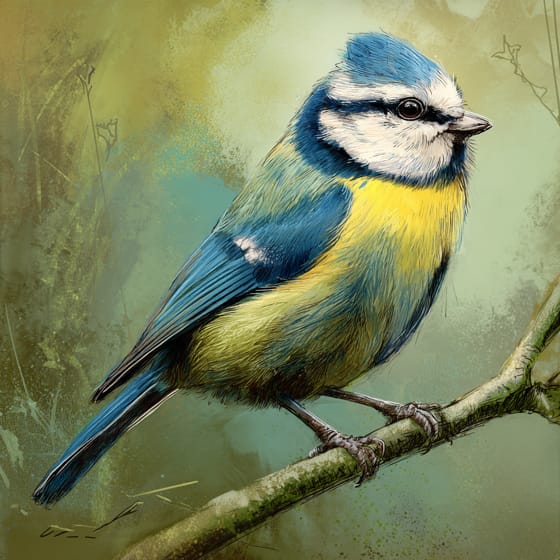
Cyanistes caeruleus
Young birds and their parents often prey on butterfly larvae.
Marked with spots or patches of a different color.
Solitary animals live alone for most of their lives, only interacting with others for mating or parental care.
Colorful describes organisms or objects displaying a wide range of bright and distinct colors.
Grassland habitats are terrestrial biomes dominated by grasses and herbaceous plants, supporting a variety of grazing animals.

This trait characterizes organisms whose diet consists entirely or primarily of plant material.

Describes plants that are particularly attractive and beneficial to a wide range of pollinating organisms.

Diurnal animals are primarily active during daylight hours, typically resting or sleeping at night.

Describes organisms that transfer pollen, enabling the fertilization and reproduction of plants.
No aliases listed yet.
Danger
1/5 · Very low
Be gentle and quiet when watching butterflies so you don’t scare them away.
The easiest way to identify Large Chequered Skipper is to use the Snappit nature identifier app.
27-31 mm
15-20 mm
10-20 days
20 km/h
Adults sip sweet nectar from flowers, while caterpillars munch on grass leaves.
Grasslands
Foraging
Zoom in to split clusters and explore where this object has been snapped.
Recent snaps will appear here as new observations are added.
Take the discovery with you
Snap it with Snappit to identify it, learn what makes it special, and add the discovery to your collection.






.jpg&width=800)



