




Red Clover
Trifolium pratense
Red clover is a pretty flower with bright pinkish-red blooms. It grows in fields and meadows, attracting bees and butterflies. It's not just beautiful; it also helps the soil stay healthy!
Habitat: Grasslands
The Red Clover has distinctive globe-shaped flower heads, usually a vibrant reddish-purple or pink, that stand out in fields. Its unique leaves grow in groups of three, often marked with a pale, V-shaped chevron, making it easy to identify.
Category
PlantsRarity
Common
Danger
1/5 · Very low
Snaps
Be the first to snap!
Finding a four-leaf clover is super rare and brings good luck!
In some cultures, red clover flowers are used to make healthy herbal teas!
Its leaves fold up at night, as if sleeping, and unfold again at dawn!
Red Clover is a favorite snack for many animals, from deer to rabbits!
Red Clover can host special bacteria in its roots that create natural fertilizer, making the soil super healthy for other plants.
Red Clover has deep roots that help it find water and nutrients far underground, making it tough in dry conditions.
Red Clover has bright, nectar-rich flowers that attract busy bees, which helps spread its seeds to new places.
Bombus terrestris
Its long tongue can reach deep nectar.
Rhizobium leguminosarum
These bacteria fix nitrogen in its roots.

Microtus agrestis
These small rodents often graze on its leaves.
Apis mellifera
An important nectar source for honey production.
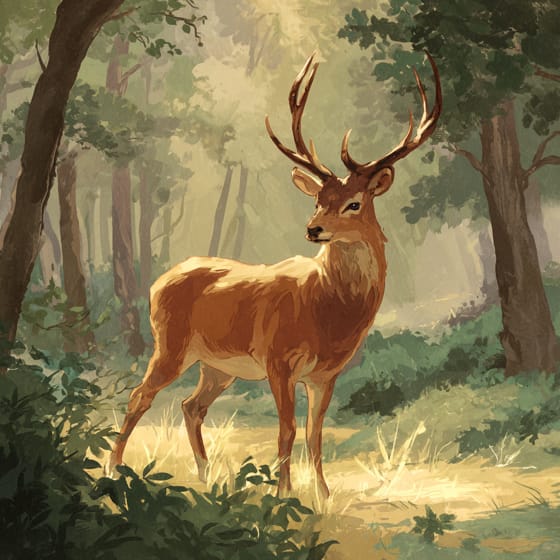
Cervus elaphus
Deer frequently browse its nutritious foliage.
Flowering plants are any plants that produce flowers as part of their reproductive cycle.
Describes organisms capable of converting atmospheric nitrogen into compounds usable by plants.
Biennial plants complete their life cycle over two growing seasons, typically forming foliage in the first year and flowering/seeding in the second.
Medicinal plants possess chemical compounds that can be used for therapeutic purposes to treat illnesses or maintain health.

This human use trait describes species cultivated or domesticated by humans for agricultural purposes, including crops and livestock.

Edible plants are those parts of a plant that are considered safe for human consumption.

Grassland habitats are terrestrial biomes dominated by grasses and herbaceous plants, supporting a variety of grazing animals.

Describes plants that are particularly attractive and beneficial to a wide range of pollinating organisms.

Describes organisms that transfer pollen, enabling the fertilization and reproduction of plants.
Danger
1/5 · Very low
Always check with an adult before picking flowers.
The easiest way to identify Red Clover is to use the Snappit nature identifier app.
20-80 cm
30-60 cm
1.5-3 cm
Late spring to fall
Yes
None
Biennial
Zoom in to split clusters and explore where this object has been snapped.
Recent snaps will appear here as new observations are added.

Michigan, US
You might spot Eastern Gray Squirrel, Tree-Of-Heaven, and House Sparrow.
View guide →
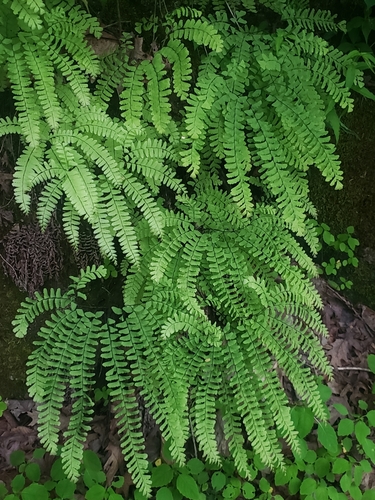
Iowa, US
You might spot Northern Maidenhair Fern and Wood Nettle.
View guide →

Washington, US
You might spot Pacific Tree Frog and Long-Toed Salamander.
View guide →

Michigan, US
You might spot Monarch, Canada Goose, and Eastern Gray Squirrel.
View guide →

Michigan, US
You might spot Monarch, Canada Goose, and Eastern Gray Squirrel.
View guide →

Connecticut, US
You might spot Common Mugwort and Canada Goose.
View guide →
Take the discovery with you
Snap it with Snappit to identify it, learn what makes it special, and add the discovery to your collection.








.jpg&width=800)



_001.jpg&width=800)



