





Changeable Grass-veneer
Fissicrambus mutabilis
The Changeable Grass-veneer is a small, colorful moth that loves to flutter around grassy areas. Its wings can change colors, making it look different depending on where it is!
Habitat: Grasslands
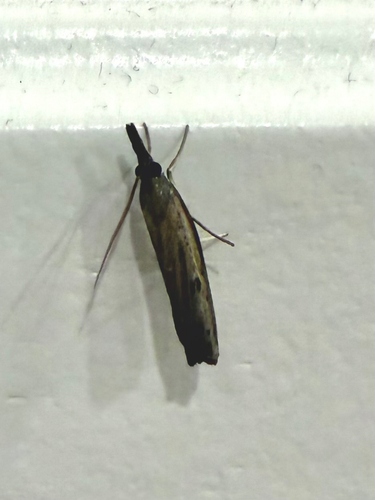
The Changeable Grass-veneer is a small, slender moth, typically pale yellowish-brown with darker stripes or silvery scales on its forewings. Its markings can vary greatly, often making it blend seamlessly with dry grasses.
Category
InsectsRarity
Common
Danger
1/5 · Very low
Snaps
1
Baby grass-veneers, called caterpillars, live underground munching on grass roots!
Its scientific name, *mutabilis*, means "changeable", because its wing patterns can vary!
Some grass-veneers have sparkly silver scales that shimmer in the sunlight!
This tiny moth is often active at dusk, flitting low over grassy fields like a dancer!
Changeable Grass-veneer has earthy patterns and colors that help them blend perfectly into dry grasses and hide from predators.
Changeable Grass-veneer can unfurl a long proboscis to sip sweet nectar from flowers for energy.
Changeable Grass-veneer can completely transform from a grass-eating caterpillar into a flying moth.
Adults drink flower nectar, but their hungry caterpillars munch on grass roots underground.
Age differences: Larvae eat grass roots and stems, while adult moths drink nectar from various flowers.
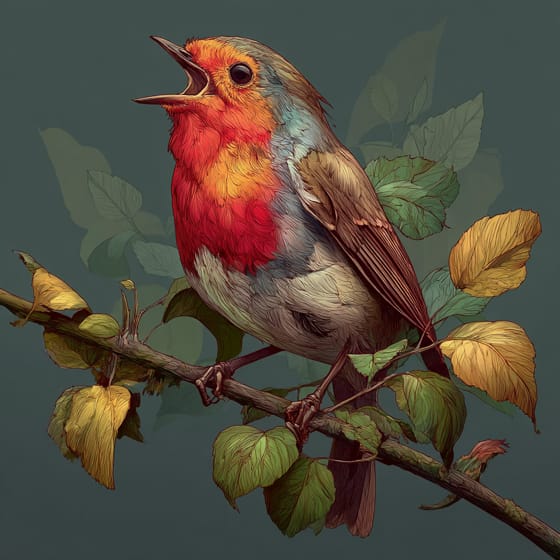
Turdus migratorius
Adult moths and larvae are a food source for birds.
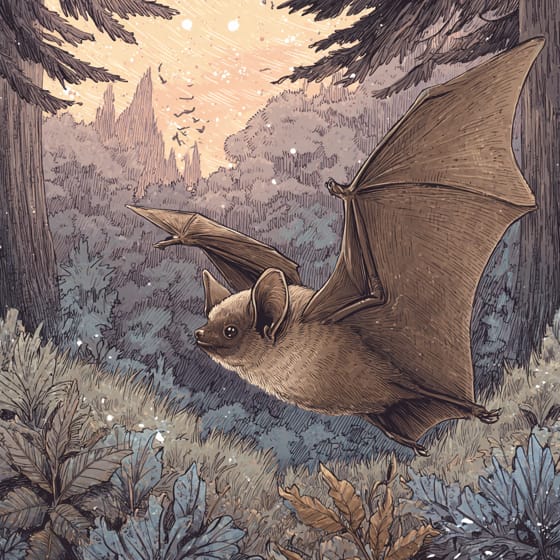
Myotis lucifugus
Moths flying at night are hunted by insect-eating bats.

Trifolium repens
Adults visit clover flowers, helping to spread their pollen.
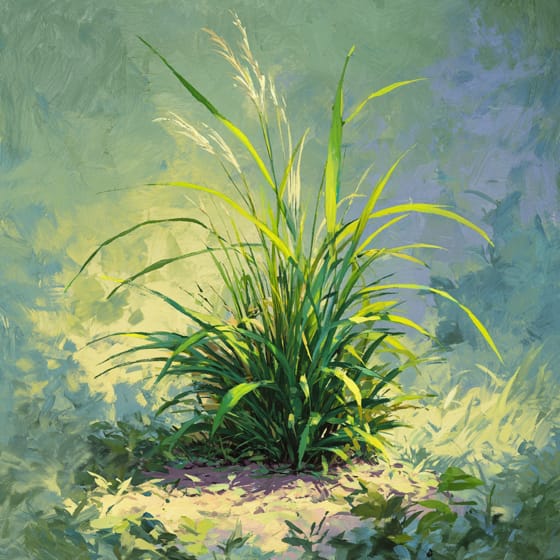
Poa pratensis
Caterpillars feed on the roots and stems of this common grass.
Solitary animals live alone for most of their lives, only interacting with others for mating or parental care.
Camouflaged describes organisms that possess coloring or patterns that allow them to blend into their environment.
Colorful describes organisms or objects displaying a wide range of bright and distinct colors.
Grassland habitats are terrestrial biomes dominated by grasses and herbaceous plants, supporting a variety of grazing animals.

This trait characterizes organisms whose diet consists entirely or primarily of plant material.

Describes plants that are particularly attractive and beneficial to a wide range of pollinating organisms.

Diurnal animals are primarily active during daylight hours, typically resting or sleeping at night.

Pertaining to species that are significantly smaller than typical or average for their kind.

Describes organisms that transfer pollen, enabling the fertilization and reproduction of plants.
No aliases listed yet.
Danger
1/5 · Very low
These moths are harmless, but it's best to watch them from a distance.
The easiest way to identify Changeable Grass-veneer is to use the Snappit nature identifier app.
16-30 mm
8-15 mm
5-14 days
Adults drink flower nectar, but their hungry caterpillars munch on grass roots underground.
Grasslands
Foraging
6
Zoom in to split clusters and explore where this object has been snapped.
Jun 6, 2026
Oak Park ConservatoryPhoto attribution
(c) Jessica W., some rights reserved (CC BY)
License: CC BY 4.0 ↗
Image may be shown cropped inside the card frame.
Take the discovery with you
Snap it with Snappit to identify it, learn what makes it special, and add the discovery to your collection.







.jpg&width=800)



