





Thermonectus marmoratus
Thermonectus marmoratus
The Thermonectus marmoratus, also known as the marbled water beetle, is a shiny bug that loves to swim in ponds and lakes. It has a beautiful marbled pattern on its back, making it look special in the water.
Habitat: Freshwater ponds and lakes
The Thermonectus marmoratus has a sleek, oval body, typically dark brown to black, adorned with distinctive yellowish or orange marbled patterns across its wing covers. Its streamlined shape and flattened legs are adapted for swift aquatic movement, making it visually distinct from land beetles.
Category
InsectsRarity
Common
Danger
1/5 · Very low
Snaps
2
Adult beetles can fly surprisingly long distances between ponds to find new homes.
Female marbled diving beetles skillfully lay their eggs inside aquatic plants for safety.
Their larvae are nicknamed "water tigers" because they are such fierce underwater hunters.
They can hang upside down at the surface, using their rear end as a snorkel!
Thermonectus marmoratus can breathe underwater by trapping an air bubble under its wing covers that acts like a portable oxygen tank.
Thermonectus marmoratus has powerful, paddle-shaped hind legs that help them propel through water with incredible speed and agility.
Thermonectus marmoratus can release defensive steroids from glands to deter hungry predators when they feel threatened.
These beetles are fierce predators, hunting other small creatures in their watery homes.
Age differences: Larvae are also voracious predators, often eating similar or slightly smaller prey.
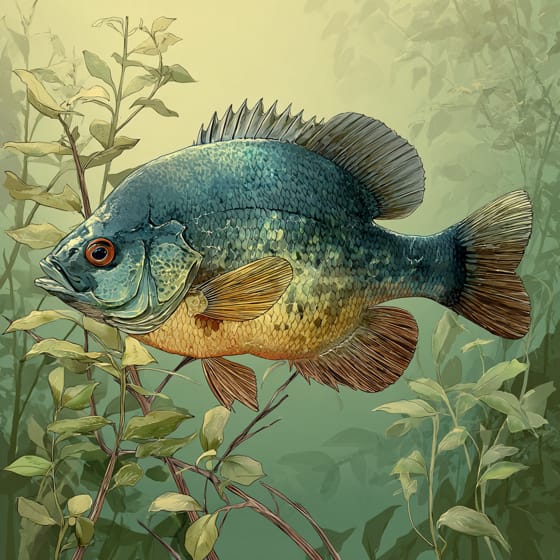
Lepomis macrochirus
Hunted by fish in aquatic environments.
Anas platyrhynchos
A potential food source for various waterfowl.
Culex pipiens
Preys on mosquito larvae, helping control their numbers.
Rana catesbeiana
Adults and larvae hunt tadpoles of various frog species.
Camouflaged describes organisms that possess coloring or patterns that allow them to blend into their environment.
Colorful describes organisms or objects displaying a wide range of bright and distinct colors.
This trait identifies organisms whose diet primarily consists of insects and other small invertebrates.
Diurnal animals are primarily active during daylight hours, typically resting or sleeping at night.

Freshwater habitats include non-saline aquatic environments such as rivers, lakes, ponds, and wetlands, vital for numerous species.

Describes a species whose presence and role have a disproportionately large effect on its environment.

This trait identifies organisms that exhibit exceptional swiftness in movement for hunting, escape, or travel.

Aquatic habitats encompass environments where organisms live predominantly in water, including oceans, rivers, lakes, and wetlands.

Describes organisms that transfer pollen, enabling the fertilization and reproduction of plants.
Danger
1/5 · Very low
Be careful near water! Always stay close to an adult when exploring.
The easiest way to identify Thermonectus marmoratus is to use the Snappit nature identifier app.
15-20 mm
7-10 mm
180-365 days
These beetles are fierce predators, hunting other small creatures in their watery homes.
Freshwater ponds and lakes
Pursuit
6
Zoom in to split clusters and explore where this object has been snapped.
Take the discovery with you
Snap it with Snappit to identify it, learn what makes it special, and add the discovery to your collection.









.jpg&width=800)


