





large-flowered triteleia
Triteleia grandiflora
The large-flowered triteleia is a beautiful flower with big, star-shaped blooms. It grows in sunny places and adds bright colors to gardens and fields during springtime.
Habitat: Grasslands
The large-flowered triteleia has stunning bell-shaped flowers, typically in shades of violet-blue, purple, or white. Each flower forms an open cup with six prominent tepals, often featuring a darker central stripe, distinguishing it from many flatter meadow flowers.
Category
PlantsRarity
Common
Danger
1/5 · Very low
Snaps
3
Its bulbs were once a vital food source for Native American tribes!
Look closely for tiny veins on its petals, guiding bees directly to nectar!
The genus name "Triteleia" means "threefold," referring to its flower parts!
This beautiful flower can grow wild in rocky meadows and open woodlands.
large-flowered triteleia has a deep bulb that stores water and nutrients, helping it survive dry summer conditions.
large-flowered triteleia produces nectar in its trumpet-shaped flowers, attracting specific bees for efficient pollination.
large-flowered triteleia develops seed capsules that burst open, scattering many tiny seeds to spread its population.
Bombus occidentalis
collects nectar and pollen from its flowers
Apis mellifera
visits flowers for nectar and pollen collection
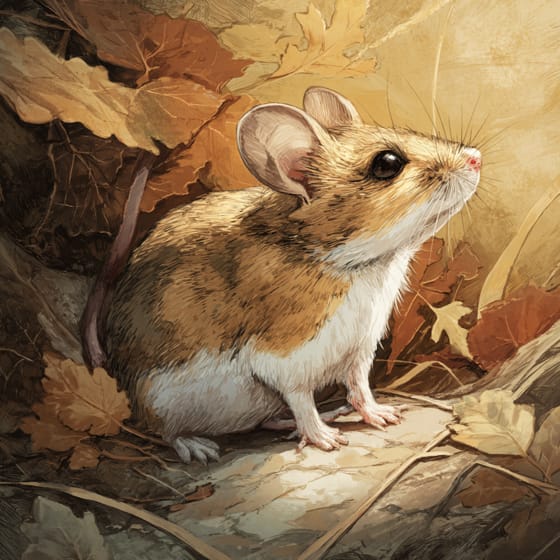
Peromyscus maniculatus
may consume bulbs or seeds
Homo sapiens
historically ate its nutrient-rich bulbs
Flowering plants are any plants that produce flowers as part of their reproductive cycle.
Spring blooming plants produce their flowers during the spring season, often signifying the end of winter and the start of new growth.
Colorful describes organisms or objects displaying a wide range of bright and distinct colors.
Grassland habitats are terrestrial biomes dominated by grasses and herbaceous plants, supporting a variety of grazing animals.

Describes plants that are particularly attractive and beneficial to a wide range of pollinating organisms.
No aliases listed yet.
Danger
1/5 · Very low
Always look but don't touch flowers without asking an adult first.
The easiest way to identify large-flowered triteleia is to use the Snappit nature identifier app.
20-60 cm
2-4 cm
Late Spring to Early Summer
Yes
None
Perennial
Insect
Zoom in to split clusters and explore where this object has been snapped.

Montana, US
You might spot Western Ponderosa Pine and Great Horned Owl.
View guide →

Washington, US
You might spot Duck, Common Alkanet, and Arrowleaf Balsamroot.
View guide →

Washington, US
You might spot Red Fox, Ghost Pipe, and Armenian Blackberry.
View guide →
Take the discovery with you
Snap it with Snappit to identify it, learn what makes it special, and add the discovery to your collection.








.jpg&width=800)



_001.jpg&width=800)




