_(11628267034).jpg&width=800)





Texas lantana
Lantana urticoides
Texas lantana is a colorful shrub that loves sunny places. It has bright flowers that attract butterflies and bees, making gardens look cheerful and lively.
Habitat: Urban areas
The Texas lantana has rough, dark green leaves and vibrant flower clusters that change color. Its small, tubular flowers open yellow, then often mature to orange, red, or even pink within the same cluster, creating a multi-colored display.
Category
PlantsRarity
Common
Danger
2/5 · Low
Snaps
2
Its tiny flowers burst with nectar, a buffet for hungry insects!
The leaves feel like sandpaper, a clever trick to deter nibbling animals!
This plant is so tough it thrives in hot, rocky spots where others wilt!
While birds eat its berries, they are a big no-no for humans to touch or taste!
Texas lantana can change its flower colors after pollination, signaling to insects which flowers still have nectar to offer.
Texas lantana has deep roots that help it find water in dry soil, allowing it to survive hot, sunny conditions.
Texas lantana produces chemicals in its leaves that taste bitter to animals, helping to protect it from being eaten.
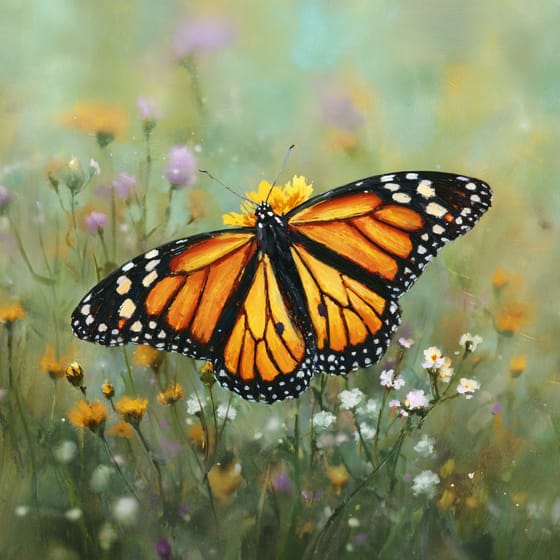
Danaus plexippus
drinks nectar and carries pollen to other plants
Apis mellifera
collects sweet nectar and yellow pollen
Flowering plants are any plants that produce flowers as part of their reproductive cycle.
A shrub is a woody plant smaller than a tree, typically with multiple stems branching from or near the ground.
Summer blooming plants produce their flowers during the summer season, often providing vibrant color when many other plants have finished.
Evergreen plants retain their foliage throughout the year, never shedding all their leaves at once.

Fragrant flowers emit a pleasant aroma, often to attract pollinators or for defense.

Colorful describes organisms or objects displaying a wide range of bright and distinct colors.

Describes plants that are particularly attractive and beneficial to a wide range of pollinating organisms.

Rapid growing plants exhibit accelerated growth rates, quickly increasing in size and biomass within a short period.

This habitat trait indicates species that can coexist with humans in urban and suburban environments, utilizing man-made structures and green spaces.
No aliases listed yet.
Danger
2/5 · Low
Do not eat any part of the plant, as some parts can be harmful.
The easiest way to identify Texas lantana is to use the Snappit nature identifier app.
50-150 cm
50-150 cm
2-3 cm
Spring to fall
No
Mild
Perennial
Zoom in to split clusters and explore where this object has been snapped.
Take the discovery with you
Snap it with Snappit to identify it, learn what makes it special, and add the discovery to your collection.









.jpg&width=800)


_001.jpg&width=800)



