_Tricholauxania_praeusta_-_lateral_view.jpg&width=800)





Lauxaniid Flies
lauxaniidae
Lauxaniid flies are tiny, buzzing insects that love to flit around flowers! They help pollinate plants while looking for food, making them important little helpers in nature.
Habitat: Lauxaniid flies live in gardens, fields, and forests, where flowers bloom.
The Lauxaniid Flies are small to medium-sized flies, typically sporting yellowish, brownish, or orange bodies. Many species have distinctly patterned or spotted wings, which can be clear or slightly smoky. Their often robust build and sometimes metallic sheen make them visually different from other flies.
Category
InsectsRarity
Common
Danger
0/5 · No known danger
Snaps
Be the first to snap!
Many Lauxaniid flies are attracted to fermenting fruits and vegetables.
Some Lauxaniid species are called 'peacock flies' for their colorful displays!
Their larvae often live hidden within decaying leaves on the forest floor.
These tiny flies are found almost everywhere on Earth, except Antarctica!
Lauxaniid Flies can consume decaying plant material, helping to recycle nutrients in their local environment.
Lauxaniid Flies possess powerful wing muscles that enable quick, evasive flight from predators.
They munch on decaying plants and sometimes nectar, helping to clean up nature.
Age differences: Larvae consume decaying organic matter, while adults primarily feed on plant sap and nectar.
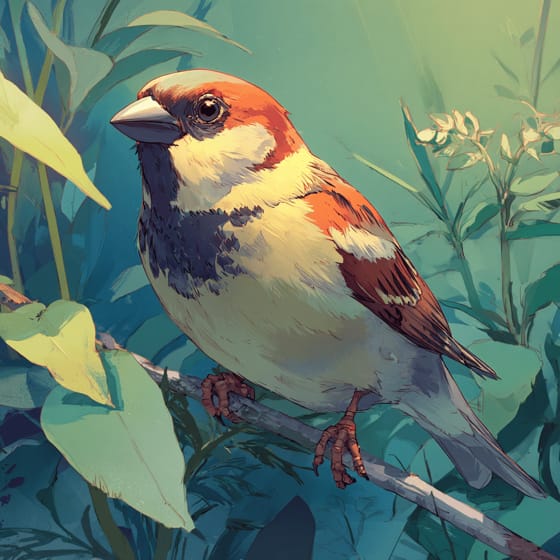
Passer domesticus
A common food source for many small birds.
Araneus diadematus
Often caught in spider webs while foraging.
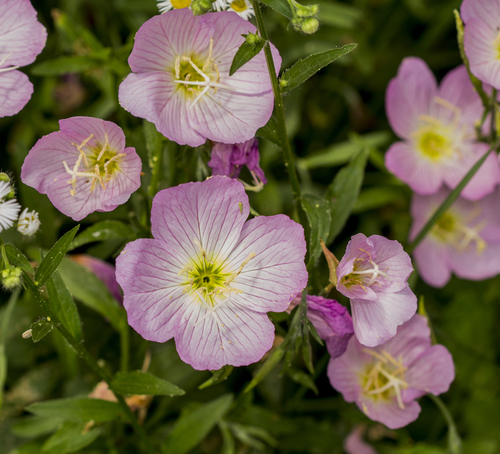
Quercus robur
Larvae rely on decaying oak leaves and wood.
Rana temporaria
A dietary staple for many amphibians like frogs.
Social animals live in organized groups, cooperating for survival benefits such as foraging, defense, and raising offspring.
Colorful describes organisms or objects displaying a wide range of bright and distinct colors.
This trait characterizes organisms whose diet consists entirely or primarily of plant material.
Diurnal animals are primarily active during daylight hours, typically resting or sleeping at night.

Describes organisms that transfer pollen, enabling the fertilization and reproduction of plants.
Danger
0/5 · No known danger
No special safety notes yet.
The easiest way to identify Lauxaniid Flies is to use the Snappit nature identifier app.
4-12 mm
2-6 mm
10-30 days
They munch on decaying plants and sometimes nectar, helping to clean up nature.
Lauxaniid flies live in gardens, fields, and forests, where flowers bloom.
Foraging
6
Zoom in to split clusters and explore where this object has been snapped.
Recent snaps will appear here as new observations are added.
Take the discovery with you
Snap it with Snappit to identify it, learn what makes it special, and add the discovery to your collection.







.jpg&width=800)



