





Laviana White-Skipper
Heliopetes laviana
The Laviana White-Skipper is a small, cheerful butterfly with white wings and a hint of yellow. They love to flutter around flowers and are often seen in sunny gardens.
Habitat: Grasslands
The Laviana White-Skipper has mostly white wings with faint gray or brown markings and a robust, dark body. Its antennae have distinctive hooked clubs at the tips, which help differentiate it from true butterflies. The underside of its hindwings can be a mottled white and gray.
Category
InsectsRarity
Common
Danger
1/5 · Very low
Snaps
Be the first to snap!
Laviana White-Skippers fold their wings in a distinctive 'jet plane' position when at rest.
The Laviana White-Skipper is sometimes called the 'Small Checkered-Skipper' due to wing patterns.
Their caterpillars build small leaf shelters by folding and tying leaves together with silk.
These skippers are often active even when it's cloudy, unlike many sun-loving butterflies.
The Laviana White-Skipper can fly with incredibly fast, erratic darting movements that help them evade hungry predators.
Its caterpillars have specialized jaws that help them chew and digest tough leaves from plants in the mallow family.
The skipper has unique hooked antennae that help them navigate and locate nectar sources more effectively.
Adults sip flower nectar for energy; caterpillars munch on various plant leaves.
Age differences: Larvae eat plant leaves, while adults feed exclusively on flower nectar.
Sida rhombifolia
Caterpillars feed on its leaves.

Malvella leprosa
Larvae develop by consuming its foliage.

Trifolium repens
Larvae also feed on its leaves.
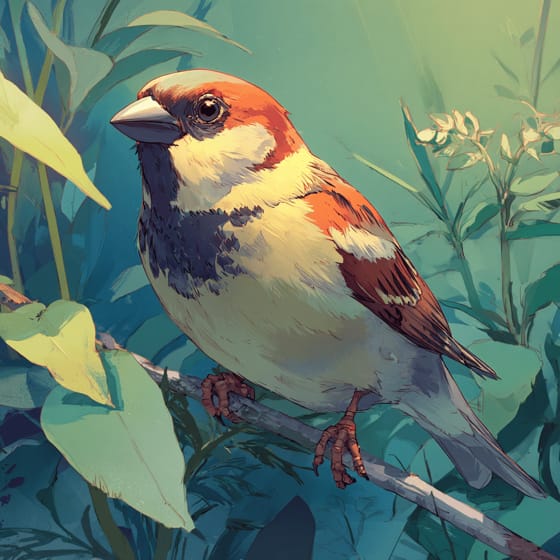
Passer domesticus
Adult skippers can become bird prey.
Social animals live in organized groups, cooperating for survival benefits such as foraging, defense, and raising offspring.
Colorful describes organisms or objects displaying a wide range of bright and distinct colors.
Grassland habitats are terrestrial biomes dominated by grasses and herbaceous plants, supporting a variety of grazing animals.
This trait characterizes organisms whose diet consists entirely or primarily of plant material.

Describes plants that are particularly attractive and beneficial to a wide range of pollinating organisms.

Diurnal animals are primarily active during daylight hours, typically resting or sleeping at night.

This trait identifies organisms that exhibit exceptional swiftness in movement for hunting, escape, or travel.

Describes organisms that transfer pollen, enabling the fertilization and reproduction of plants.
No aliases listed yet.
Danger
1/5 · Very low
Be gentle and watch butterflies from a distance so they feel safe.
The easiest way to identify Laviana White-Skipper is to use the Snappit nature identifier app.
25-40 mm
10-18 mm
7-21 days
25 km/h
Adults sip flower nectar for energy; caterpillars munch on various plant leaves.
Grasslands
Foraging
Zoom in to split clusters and explore where this object has been snapped.
Recent snaps will appear here as new observations are added.
Take the discovery with you
Snap it with Snappit to identify it, learn what makes it special, and add the discovery to your collection.







.jpg&width=800)



