_(5)_(8666437563).jpg&width=800)





gray birch
Betula populifolia
The gray birch is a tall tree with beautiful white bark and green leaves. It grows in many places and is important for wildlife, providing food and shelter.
Habitat: Forests
The gray birch has chalky white-gray bark that looks painted on, often with dark triangular markings below branches, and does not peel readily like other birches. Its shiny, triangular leaves with jagged edges flutter in the slightest breeze, giving it a lively appearance.
Category
PlantsRarity
Common
Danger
1/5 · Very low
Snaps
8
Its scientific name "populifolia" means "poplar-leaved" because its leaves tremble like aspen leaves!
Native Americans used its strong wood for tools and firewood, and its inner bark for tea!
The gray birch is often a "pioneer" tree, meaning it's one of the first to grow in open, disturbed land!
You can tap gray birch for sweet sap in early spring, just like maple trees!
Gray birch can quickly grow in disturbed or poor soils thanks to its hardy nature, helping it colonize new areas.
Gray birch can regrow quickly from its stump after a fire or logging, helping it survive disturbances.
Gray birch grows very fast in full sun, allowing it to quickly reach sunlight and outcompete other young plants.
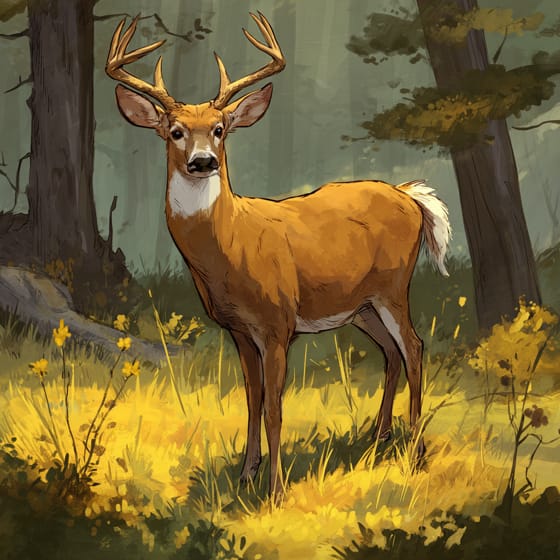
Odocoileus virginianus
browse on twigs and foliage
Lymantria dispar
larvae defoliate leaves
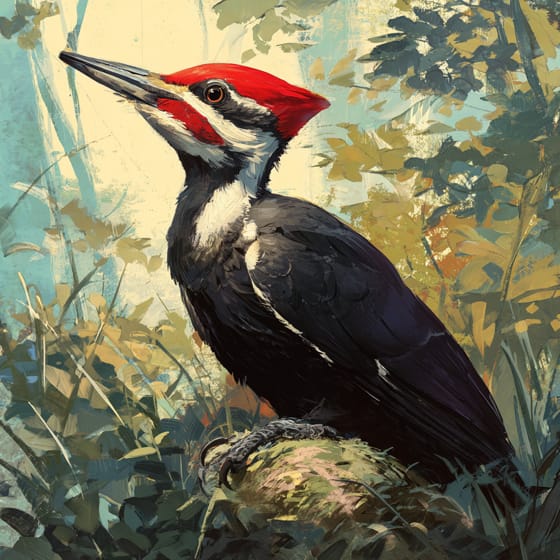
Dryocopus pileatus
nests in older trees
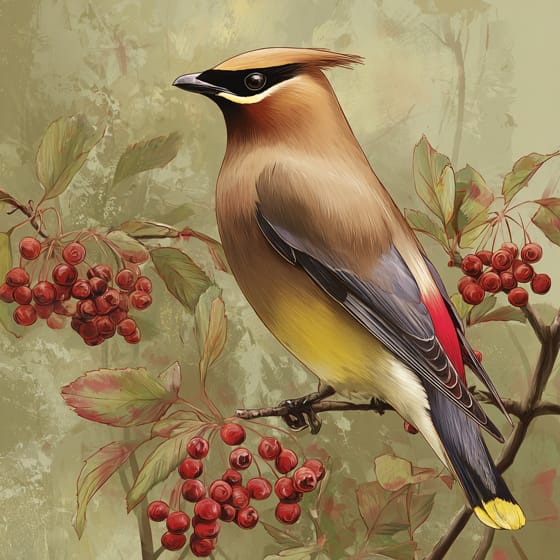
Bombycilla cedrorum
feasts on abundant seeds
Deciduous plants periodically shed all their leaves, typically during autumn or dry seasons.
Broadleaf trees are angiosperms characterized by flat, wide leaves that are typically shed annually in temperate climates.
Describes plants that are particularly attractive and beneficial to a wide range of pollinating organisms.
Rapid growing plants exhibit accelerated growth rates, quickly increasing in size and biomass within a short period.

Forest habitats are terrestrial environments dominated by dense tree cover, supporting a high diversity of plant and animal life.

Describes a species whose presence and role have a disproportionately large effect on its environment.
No aliases listed yet.
Danger
1/5 · Very low
Always stay on paths when exploring near trees to avoid tripping.
The easiest way to identify gray birch is to use the Snappit nature identifier app.
600-1200 cm
300-600 cm
1-10 cm
Spring
Yes
None
Perennial
Zoom in to split clusters and explore where this object has been snapped.

Maine, US
You might spot American Bullfrog and Three-Toothed Cinquefoil.
View guide →

US
You might spot Common Eider, American Herring Gull, and Common Periwinkle.
View guide →

New Hampshire, US
You might spot Eastern Newt, Common Loon, and Hickory Tussock Moth.
View guide →

Maine, US
You might spot Purple Pitcher Plant and American Toad.
View guide →

Massachusetts, US
You might spot Common Eastern Bumble Bee, Bee, and American Robin.
View guide →

New York, US
You might spot White-Tailed Deer, Eastern Skunk Cabbage, and Duck.
View guide →
Take the discovery with you
Snap it with Snappit to identify it, learn what makes it special, and add the discovery to your collection.







.jpg&width=800)


_001.jpg&width=800)




