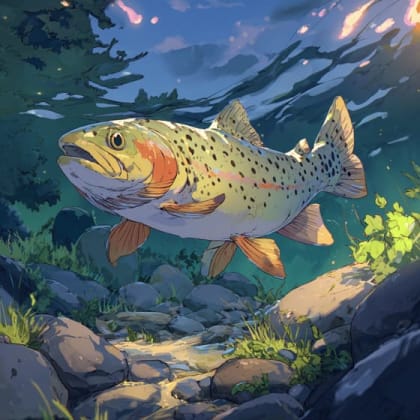




Leopard Whipray
himantura leoparda
The Leopard Whipray has beautiful spotted patterns on its body that help it blend into the sandy ocean floor. These rays glide gracefully through the water, making them a fascinating sight to see!
Habitat: They live in shallow coastal waters and sandy sea floors.
The Leopard Whipray has a large, flattened body adorned with striking dark spots on a light brown or grey background. Its long, whip-like tail, often banded, is typically twice the length of its body and carries venomous spines.
Category
FishRarity
Common
Danger
1/5 · Very low
Snaps
Be the first to snap!
Female whiprays give birth to live, fully formed miniature rays.
Its impressive spots are like a unique fingerprint; no two are exactly alike!
Some divers call these large rays "ocean puppies" due to their curious nature.
They often visit 'cleaning stations' where tiny fish remove parasites from their skin.
Leopard Whipray has a long, slender tail tipped with one or more venomous stinging spines that help them deter predators.
Leopard Whipray can quickly bury itself in sandy seabeds to help them ambush prey and hide from predators.
Leopard Whipray can detect weak electrical fields emitted by hidden prey because of specialized sensors called ampullae of Lorenzini.
They are skilled hunters, feasting on small fish and bottom-dwelling invertebrates.
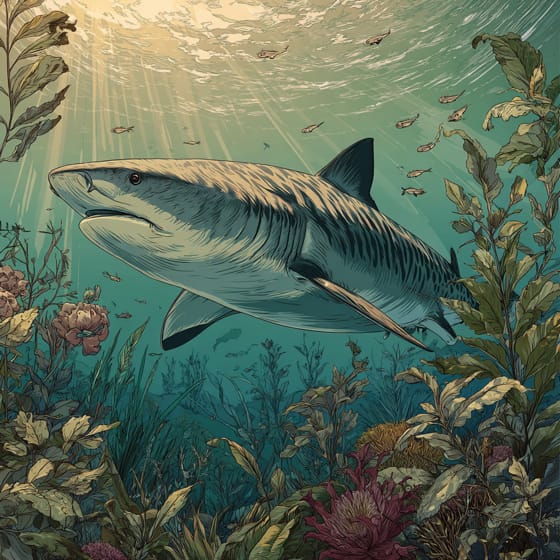
Galeocerdo cuvier
hunts rays as part of its diverse diet.
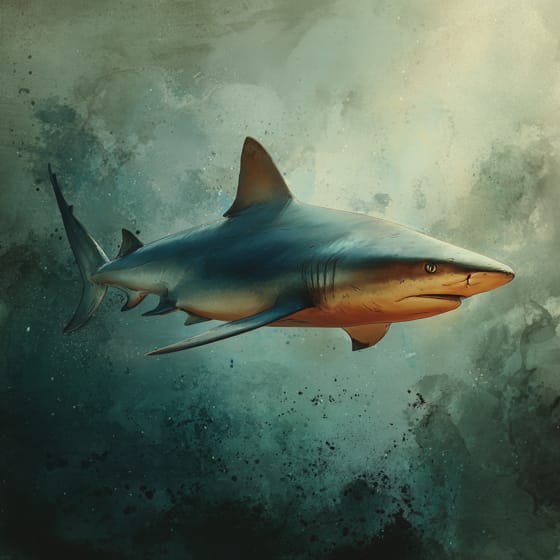
Carcharhinus leucas
preys on rays in coastal and estuarine waters.
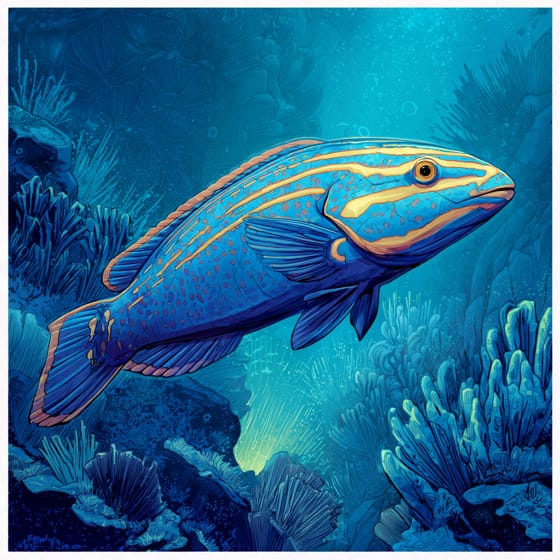
Labroides dimidiatus
removes parasites from the ray's skin at cleaning stations.
Portunus pelagicus
forages for crabs hiding in the seabed.
Penaeus monodon
consumes prawns and other small invertebrates.
Marked with spots or patches of a different color.
Solitary animals live alone for most of their lives, only interacting with others for mating or parental care.
This trait identifies organisms whose diet consists entirely or primarily of animal tissue.
Aquatic habitats encompass environments where organisms live predominantly in water, including oceans, rivers, lakes, and wetlands.

Marine habitats encompass all saltwater environments of the Earth's oceans, supporting an immense diversity of aquatic life.
Danger
1/5 · Very low
Always observe marine life from a safe distance.
The easiest way to identify Leopard Whipray is to use the Snappit nature identifier app.
100-410 cm
10-100 kg
10-18 years
They are skilled hunters, feasting on small fish and bottom-dwelling invertebrates.
They live in shallow coastal waters and sandy sea floors.
Foraging
70 m
Zoom in to split clusters and explore where this object has been snapped.
Recent snaps will appear here as new observations are added.
Take the discovery with you
Snap it with Snappit to identify it, learn what makes it special, and add the discovery to your collection.