





Leptophlebia
Leptophlebia
Leptophlebia is a type of mayfly that loves to live near clean water. These little insects are known for their delicate wings and short lives, often only living for a day as adults!
Habitat: Freshwater rivers and streams
The Leptophlebia is a slender insect with four delicate, clear wings held upright at rest, and usually two or three long, thread-like tails extending from its abdomen. Its body is typically a dull brown or grey, often with subtle patterns, blending into its aquatic environment.
Category
InsectsRarity
Common
Danger
1/5 · Very low
Snaps
Be the first to snap!
Adult Leptophlebia are amazing: they don't have mouths and cannot eat anything!
Imagine this: Some mayfly swarms are so huge they show up on weather radar!
Their long, wispy tails aren't just for show; they help the insect steer in flight!
These insects spend most of their life underwater, sometimes for over a year!
Leptophlebia nymphs have feathery gills along their abdomen that helps them breathe oxygen directly from the water.
Leptophlebia adults live for only a few days after emerging, which helps them quickly reproduce before predators find them.
Leptophlebia nymphs are very sensitive to pollution, helping scientists identify clean and healthy freshwater ecosystems.
Nymphs graze on tiny plants and decaying bits, while adults don't eat at all!
Age differences: Nymphs graze on microscopic plants and detritus underwater, but adult Leptophlebia do not feed.
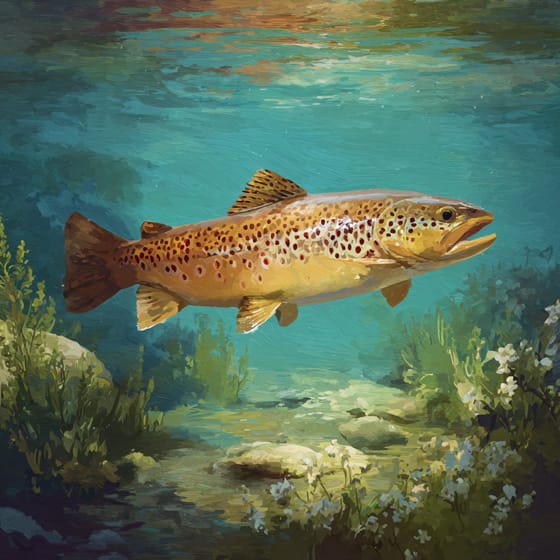
Salmo trutta
Trout are major predators of Leptophlebia nymphs and adults.
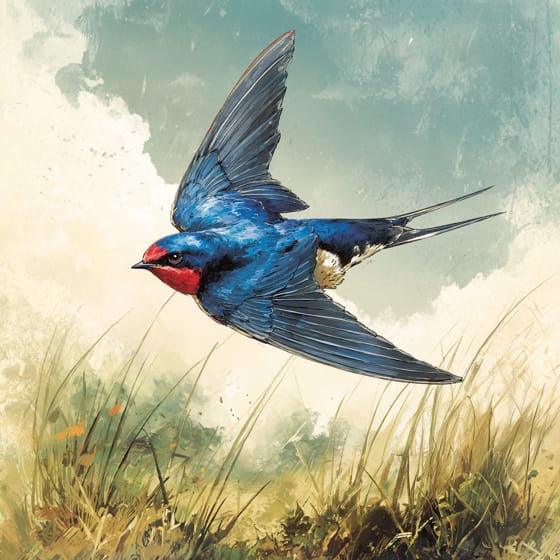
Hirundo rustica
Swallows expertly catch flying adult mayflies mid-air.
Aeshna cyanea
Dragonfly nymphs actively hunt Leptophlebia nymphs underwater.
Navicula seminulum
Leptophlebia nymphs scrape and consume these microscopic algae.
Social animals live in organized groups, cooperating for survival benefits such as foraging, defense, and raising offspring.
Colorful describes organisms or objects displaying a wide range of bright and distinct colors.
This trait characterizes organisms whose diet consists entirely or primarily of plant material.
Diurnal animals are primarily active during daylight hours, typically resting or sleeping at night.

Freshwater habitats include non-saline aquatic environments such as rivers, lakes, ponds, and wetlands, vital for numerous species.

Describes a species whose presence and role have a disproportionately large effect on its environment.

Pertaining to species that are significantly smaller than typical or average for their kind.

Describes organisms that transfer pollen, enabling the fertilization and reproduction of plants.
No aliases listed yet.
Danger
1/5 · Very low
Mayflies are harmless and don't bite, so it's safe to watch them near water.
The easiest way to identify Leptophlebia is to use the Snappit nature identifier app.
10-30 mm
5-15 mm
90-365 days
8 km/h
Nymphs graze on tiny plants and decaying bits, while adults don't eat at all!
Freshwater rivers and streams
Foraging
Zoom in to split clusters and explore where this object has been snapped.
Recent snaps will appear here as new observations are added.
Take the discovery with you
Snap it with Snappit to identify it, learn what makes it special, and add the discovery to your collection.







.jpg&width=800)


