





Lesser Knapweed Flower Weevil
Larinus minutus
The Lesser Knapweed Flower Weevil is a tiny bug that loves to munch on knapweed flowers. It has a long snout and is usually brown or gray, blending in with its surroundings.
Habitat: Grasslands
The Lesser Knapweed Flower Weevil is a small, oval-bodied insect, typically dark brown to black, often covered in fine greyish scales giving it a dusty appearance. It has a prominent, curved snout called a rostrum, which visually distinguishes it from many other small beetles.
Category
InsectsRarity
Common
Danger
1/5 · Very low
Snaps
Be the first to snap!
A female weevil lays all her eggs individually inside flower heads.
It helps control knapweed, an invasive plant, by eating its seeds!
Its larvae are legless grubs that live secretly inside plant seeds!
This tiny insect can play dead by freezing perfectly still when threatened.
Lesser Knapweed Flower Weevil can bore into plant tissue with its strong rostrum to lay eggs and feed on seeds.
Lesser Knapweed Flower Weevil has dusty scales that help them blend perfectly with knapweed plants, hiding from predators.
Lesser Knapweed Flower Weevil has a hard, protective exoskeleton that helps them resist attacks from small predators.
Adults and larvae both munch on parts of knapweed flowers and seeds, helping to manage the plant.
Age differences: Larvae feed exclusively on seeds within the flower head, while adults consume pollen and flower tissue.
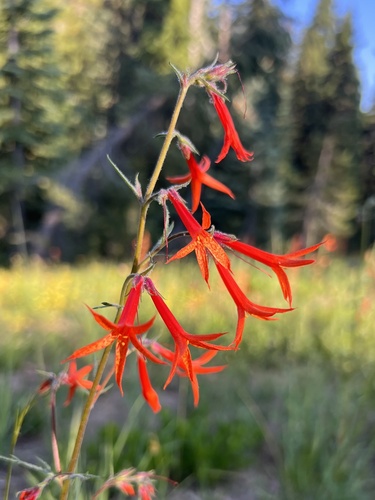
Centaurea nigra
Adults and larvae feed on its seeds and flowers.
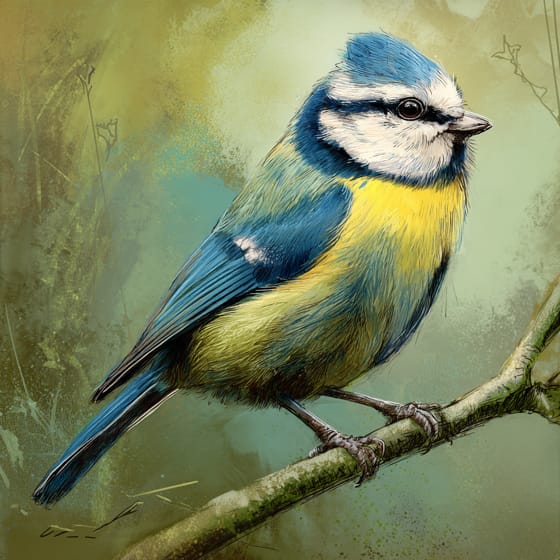
Cyanistes caeruleus
Small birds forage for weevils on plants.
Bracon intercessor
Its larvae develop inside the weevil's larvae.
Araneus diadematus
Weevils can be caught in spider webs.
Solitary animals live alone for most of their lives, only interacting with others for mating or parental care.
Camouflaged describes organisms that possess coloring or patterns that allow them to blend into their environment.
Grassland habitats are terrestrial biomes dominated by grasses and herbaceous plants, supporting a variety of grazing animals.
This trait characterizes organisms whose diet consists entirely or primarily of plant material.

Describes a species whose presence and role have a disproportionately large effect on its environment.

Pertaining to species that are significantly smaller than typical or average for their kind.

Describes organisms that transfer pollen, enabling the fertilization and reproduction of plants.
No aliases listed yet.
Danger
1/5 · Very low
It's best to look at bugs from a distance and not touch them.
The easiest way to identify Lesser Knapweed Flower Weevil is to use the Snappit nature identifier app.
3-5 mm
30-200 days
Adults and larvae both munch on parts of knapweed flowers and seeds, helping to manage the plant.
Grasslands
Foraging
6
Zoom in to split clusters and explore where this object has been snapped.
Recent snaps will appear here as new observations are added.
Take the discovery with you
Snap it with Snappit to identify it, learn what makes it special, and add the discovery to your collection.







.jpg&width=800)



