





Lesser Stag Beetle
Dorcus parallelipipedus
The Lesser Stag Beetle is a small, shiny beetle with big jaws that look like antlers! They are often found in gardens and forests, and they love to munch on decaying wood.
Habitat: Forests
The Lesser Stag Beetle is a medium-sized, dark brown to black beetle with a distinctly flattened body. Its wing cases have fine ridges, and males have smaller, less imposing mandibles compared to larger stag beetle relatives, making them appear more proportionate to their head.
Category
InsectsRarity
Common
Danger
1/5 · Very low
Snaps
2
Even with powerful jaws, Lesser Stag Beetles are completely harmless to humans.
Males 'wrestle' with each other using their mandibles to impress nearby females!
Their larvae live inside rotting wood for up to two years before becoming adults!
These beetles are nature's recyclers, turning dead trees into new soil!
Lesser Stag Beetle larvae can digest tough, decaying wood because of specialized gut microbes, helping them grow and recycle nutrients.
Male Lesser Stag Beetles have strong mandibles that help them engage in harmless wrestling contests to win over females.
Lesser Stag Beetles have a robust exoskeleton for protection, while wings help them fly to find mates and food.
Larvae eat decaying wood; adults sip tree sap from injured trees or ripe fruit.
Age differences: Larvae consume rotting wood, while adults feed on nutrient-rich tree sap and fruit.
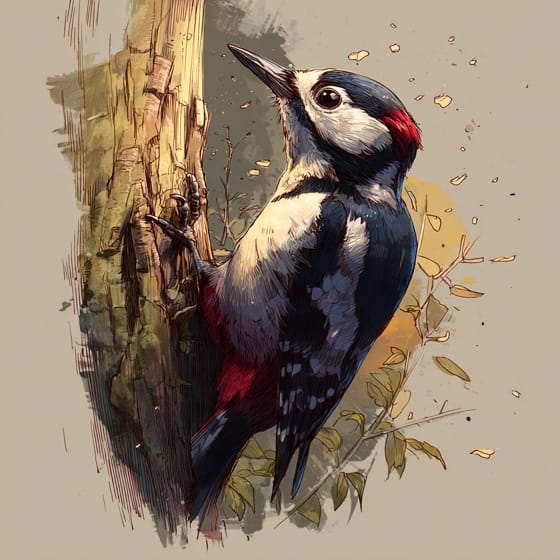
Dendrocopos major
Preys on larvae and adult beetles.
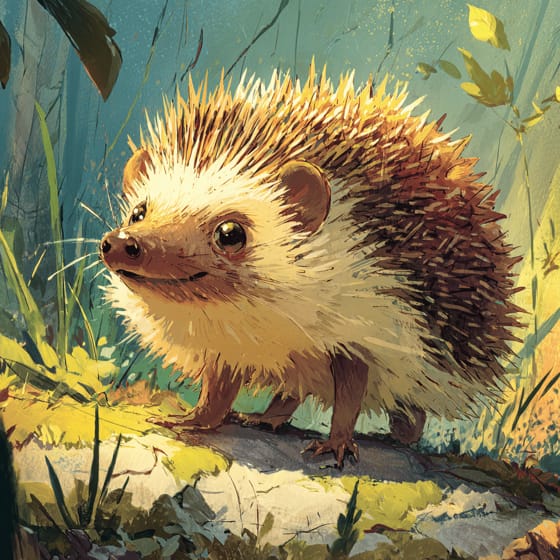
Erinaceus europaeus
Forages for beetles on the ground at night.
Quercus robur
Larvae feed on its decaying wood.
Solitary animals live alone for most of their lives, only interacting with others for mating or parental care.
Antlered describes animals possessing antlers, which are bony, branching growths found predominantly on male deer and related species.
Colorful describes organisms or objects displaying a wide range of bright and distinct colors.
This trait characterizes organisms whose diet consists entirely or primarily of plant material.

Describes organisms that break down dead organic material, recycling nutrients back into the ecosystem.

Forest habitats are terrestrial environments dominated by dense tree cover, supporting a high diversity of plant and animal life.

Describes a species whose presence and role have a disproportionately large effect on its environment.

Pertaining to species that are significantly smaller than typical or average for their kind.
No aliases listed yet.
Danger
1/5 · Very low
These beetles are friendly, but it's best to watch them without touching.
The easiest way to identify Lesser Stag Beetle is to use the Snappit nature identifier app.
25-60 mm
18-32 mm
30-90 days
5 km/h
Larvae eat decaying wood; adults sip tree sap from injured trees or ripe fruit.
Forests
Foraging
Zoom in to split clusters and explore where this object has been snapped.
Take the discovery with you
Snap it with Snappit to identify it, learn what makes it special, and add the discovery to your collection.









.jpg&width=800)

