





Lesser Swine-Cress
lepidium didymum
The Lesser Swine-Cress is a small plant with delicate leaves and tiny white flowers. It's often found in gardens and fields, making it a fun plant for kids to discover!
Habitat: Lesser Swine-Cress commonly grows in gardens, fields, and disturbed areas.
The Lesser Swine-Cress is a low-growing, sprawling plant with deeply lobed, often hairy leaves. Its tiny, inconspicuous greenish-white flowers form at the tips of stems. The most distinct feature is its small, flattened, kidney-shaped fruits that often grow in pairs.
Category
PlantsRarity
Common
Danger
0/5 · No known danger
Snaps
1
Despite being tiny, it's considered a hardy weed that can thrive in cracks of pavement!
If you crush its leaves, it releases a strange smell, sometimes described as old peanut butter!
Its unique fruit splits into two twin-like segments, giving it the scientific name 'didymum'!
Just one plant can produce hundreds of tiny seeds, helping it spread far and wide!
Lesser Swine-Cress has unique kidney-shaped fruits that split into two parts, helping it scatter seeds effectively.
Lesser Swine-Cress can thrive in compacted, disturbed soils where other plants struggle to grow.
Lesser Swine-Cress has special chemicals in its leaves that deter some hungry herbivores from eating it.
Pieris rapae
Its caterpillars munch on the leaves.
Apis mellifera
Honey bees visit its tiny flowers for nectar.
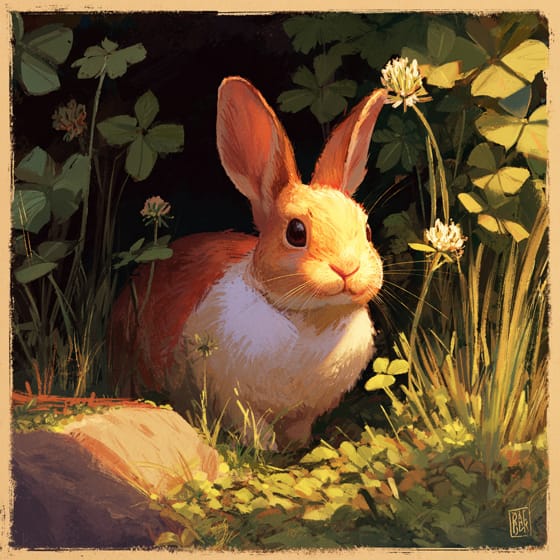
Oryctolagus cuniculus
Rabbits might graze on its low-growing foliage.
Colorful describes organisms or objects displaying a wide range of bright and distinct colors.
Grassland habitats are terrestrial biomes dominated by grasses and herbaceous plants, supporting a variety of grazing animals.
This trait characterizes organisms whose diet consists entirely or primarily of plant material.
Diurnal animals are primarily active during daylight hours, typically resting or sleeping at night.

Describes organisms that transfer pollen, enabling the fertilization and reproduction of plants.
Danger
0/5 · No known danger
No special safety notes yet.
The easiest way to identify Lesser Swine-Cress is to use the Snappit nature identifier app.
5-30 cm
5-20 cm
0.1-0.2 cm
Spring to Autumn
Yes
None
Annual
Zoom in to split clusters and explore where this object has been snapped.
Take the discovery with you
Snap it with Snappit to identify it, learn what makes it special, and add the discovery to your collection.










.jpg&width=800)



_001.jpg&width=800)




