





interrupted fern
Osmunda claytoniana
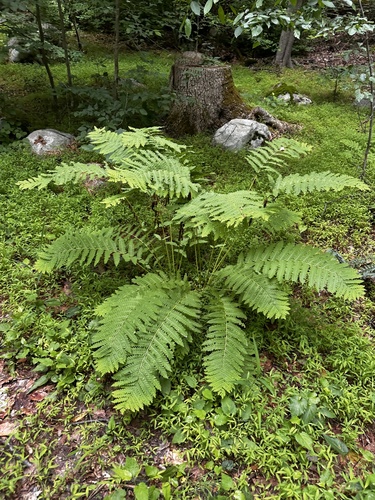
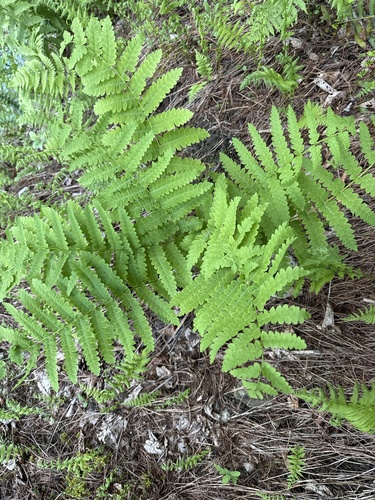
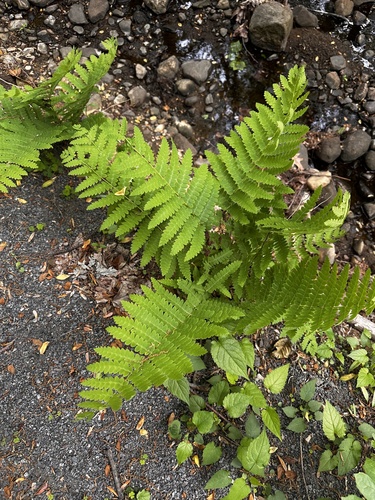
The interrupted fern is a beautiful plant with fronds that look like they have been cut. It grows in shady, moist places and is fun to find in the wild!
Habitat: Wetlands
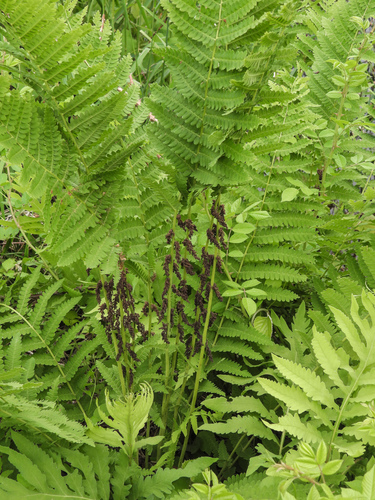
The interrupted fern has tall, arching green fronds that grow in a vase-like clump. Its unique feature is the brown, spore-bearing segments that appear in the middle of otherwise green fronds, looking like a missing piece.
Category
PlantsRarity
Common
Danger
1/5 · Very low
Snaps
31
It's a 'living fossil,' very similar to ferns that lived with dinosaurs!
Its name comes from the fertile frond sections that interrupt the leafy ones.
Some Indigenous peoples traditionally used parts of this fern for food and medicine.
This fern helps prevent soil erosion, especially on stream banks and hillsides.
The interrupted fern can reproduce by releasing tiny spores from special segments on its fronds, allowing it to spread far and wide.
This fern has young, curled fronds called fiddleheads that are edible when cooked, providing a tasty snack for humans.
Young fronds are covered in fuzzy, protective hairs that act like a natural sunscreen, shielding them from harsh sunlight.
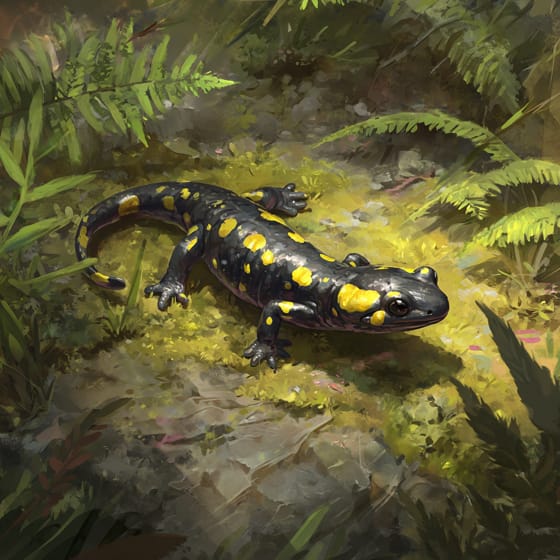
Ambystoma maculatum
finds moist cover beneath its fronds

Plethodon cinereus
hides in the shade and dampness under its leaves
Microtus pennsylvanicus
uses dense fern growth for cover from predators
Deciduous plants periodically shed all their leaves, typically during autumn or dry seasons.
Shade tolerant plants are adapted to grow and thrive in areas with low light levels, requiring less direct sunlight.
Spore-producing organisms reproduce by releasing small, often single-celled, reproductive units called spores.
Colorful describes organisms or objects displaying a wide range of bright and distinct colors.

Forest habitats are terrestrial environments dominated by dense tree cover, supporting a high diversity of plant and animal life.

This habitat trait identifies species found in wetlands, which are areas of land saturated with water, either permanently or seasonally, including marshes, swamps, and bogs.
No aliases listed yet.
Danger
1/5 · Very low
Do not touch plants without asking an adult, as some can be harmful.
The easiest way to identify interrupted fern is to use the Snappit nature identifier app.
60-120 cm
60-90 cm
Yes
None
Perennial
Wetlands
Zoom in to split clusters and explore where this object has been snapped.
Jun 7, 2026
SkylandsPhoto attribution
(c) gwt2102, some rights reserved (CC BY)
License: CC BY 4.0 ↗
Image may be shown cropped inside the card frame.
Jun 2, 2026
Lyman School for BoysPhoto attribution
no rights reserved
License: CC0 1.0 ↗
Image may be shown cropped inside the card frame.
May 27, 2026
Plainfield Village Historic DistrictPhoto attribution
(c) naturalist charlie, some rights reserved (CC BY)
License: CC BY 4.0 ↗
Image may be shown cropped inside the card frame.
May 14, 2026
Frelinghuysen ArboretumPhoto attribution
(c) gwt2102, some rights reserved (CC BY)
License: CC BY 4.0 ↗
Image may be shown cropped inside the card frame.

Massachusetts, US
You might spot Maidenhair Spleenwort and Red Trillium.
View guide →
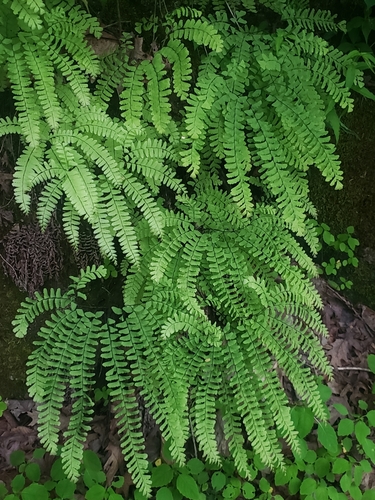
Iowa, US
You might spot Northern Maidenhair Fern and Wood Nettle.
View guide →

New York, US
You might spot American Toad and Intermediate Wood Fern.
View guide →

Massachusetts, US
You might spot Mountain Laurel, Azure Bluet, and Partridgeberry.
View guide →

New York, US
You might spot Bald Eagle, Common Eastern Bumble Bee, and Red-Tailed Hawk.
View guide →

New Jersey, US
You might spot American Beech, Garlic Mustard, and Spotted Lanternfly.
View guide →
Take the discovery with you
Snap it with Snappit to identify it, learn what makes it special, and add the discovery to your collection.







.jpg&width=800)



_001.jpg&width=800)



