





Latexplant
araujia odorata
The Latexplant is a unique and fascinating plant that produces a milky latex. It has long, twisting vines that can climb high into trees, making it a fun plant to explore!
Habitat: The Latexplant thrives in tropical and subtropical regions, often found in forests and along roadsides.
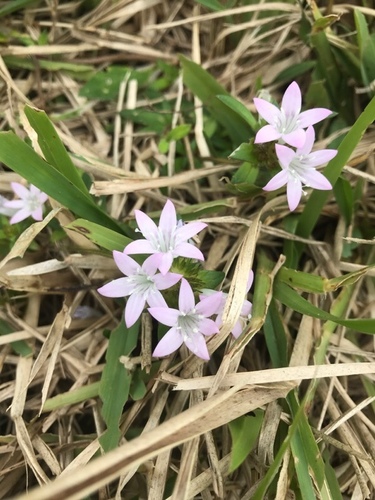
The Latexplant is a vigorous climbing vine with attractive heart-shaped leaves that are glossy green on top and pale underneath. It produces small, bell-shaped white or cream-colored flowers, followed by large, rough, pear-shaped fruits.
Category
PlantsRarity
Common
Danger
1/5 · Very low
Snaps
Be the first to snap!
It can grow incredibly fast, covering fences and trees in just a single growing season.
Its large, pear-shaped fruits split open to release hundreds of seeds with feathery parachutes!
The milky sap can be quite irritating to human skin, so it's best not to touch it directly!
This plant is sometimes called 'Moth Plant' because its sweet scent attracts night-flying moths.
Latexplant has a milky, sticky sap that helps it defend against hungry herbivores and quickly seal wounds.
Latexplant can quickly climb over other plants or structures, helping it reach sunlight and dominate its space.
Latexplant has unique flowers that temporarily trap insects, ensuring they pick up pollen before escaping.
Apis mellifera
attracted by flowers for nectar

Aphis nerii
sucks sap from stems and leaves

Passer domesticus
uses dense vines for nesting and cover
Climbing or vine plants are characterized by a growth habit that allows them to ascend upwards by twining, tendrils, or adhesive roots.
Colorful describes organisms or objects displaying a wide range of bright and distinct colors.
This trait characterizes organisms whose diet consists entirely or primarily of plant material.
Forest habitats are terrestrial environments dominated by dense tree cover, supporting a high diversity of plant and animal life.

Describes organisms that transfer pollen, enabling the fertilization and reproduction of plants.
Danger
1/5 · Very low
Avoid touching the latex directly as it can irritate the skin.
The easiest way to identify Latexplant is to use the Snappit nature identifier app.
200-700 cm
150-500 cm
1-3 cm
Summer to fall
No
Moderate
Perennial
Zoom in to split clusters and explore where this object has been snapped.
Recent snaps will appear here as new observations are added.
Take the discovery with you
Snap it with Snappit to identify it, learn what makes it special, and add the discovery to your collection.








.jpg&width=800)



_001.jpg&width=800)




