





Lesser Yellowlegs
Tringa flavipes
The Lesser Yellowlegs is a small, wading bird with long legs and a long bill. It loves to hunt for food in shallow waters and can be seen running around the edges of ponds and marshes.
Habitat: Wetlands
The Lesser Yellowlegs is a slender shorebird with strikingly long, bright yellow legs and a thin, dark bill. It has a speckled grey-brown back, a white belly, and finely barred flanks. Its overall paler appearance helps distinguish it from similar species.
Category
BirdsRarity
Common
Danger
1/5 · Very low
Snaps
6
Their loud "tew-tew-tew" call acts like an alarm for other birds to watch out!
These birds fly almost non-stop for days during their incredibly long migrations!
They use their super sensitive bills to "feel" for yummy worms hidden under the mud!
Young yellowlegs can leave their nest and find food all by themselves just hours after hatching!
Lesser Yellowlegs can wade into deeper waters because of their incredibly long legs that help them reach food other birds can't.
Lesser Yellowlegs can snatch tiny prey swiftly because of their slender, sharp bills that help them grab insects and small fish.
Lesser Yellowlegs has incredible endurance that helps them fly thousands of kilometers between their breeding and wintering grounds.
A tiny hunter, they feast on insects and small aquatic animals found in shallow water.
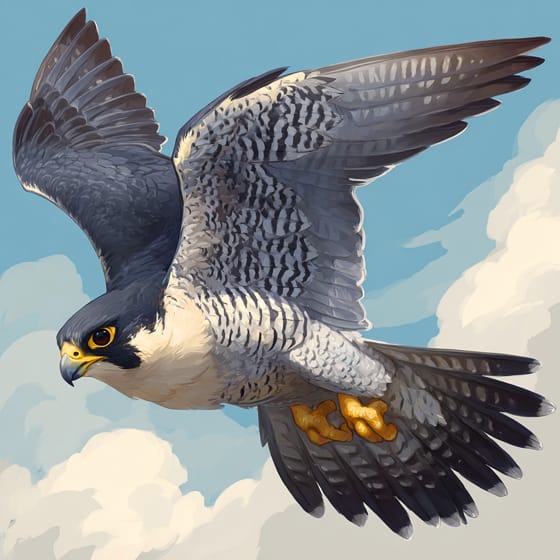
Falco peregrinus
Adult Lesser Yellowlegs can be hunted by this swift raptor.
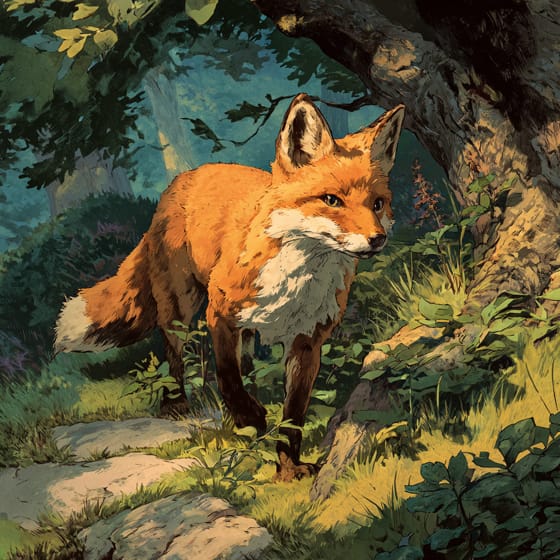
Vulpes vulpes
Foxes sometimes prey on eggs and chicks from ground nests.
Gasterosteus aculeatus
Small fish like sticklebacks are a common food source for this bird.
Chironomus plumosus
Larvae of these aquatic insects are a key part of their diet.
Feathered describes animals, primarily birds, possessing a covering of feathers.
This trait identifies organisms whose diet primarily consists of insects and other small invertebrates.
This habitat trait identifies species found in wetlands, which are areas of land saturated with water, either permanently or seasonally, including marshes, swamps, and bogs.
This trait identifies organisms whose diet consists entirely or primarily of animal tissue.

Diurnal animals are primarily active during daylight hours, typically resting or sleeping at night.

This trait identifies organisms that exhibit exceptional swiftness in movement for hunting, escape, or travel.

Aquatic habitats encompass environments where organisms live predominantly in water, including oceans, rivers, lakes, and wetlands.

Migratory animals undertake seasonal movements from one region to another, typically in response to changes in climate or food availability.
No aliases listed yet.
Danger
1/5 · Very low
Always watch birds from a distance and be quiet so you don't scare them away.
The easiest way to identify Lesser Yellowlegs is to use the Snappit nature identifier app.
23-28 cm
58-64 cm
0.06-0.1 kg
5-12 years
60 km/h
A tiny hunter, they feast on insects and small aquatic animals found in shallow water.
Wetlands
Zoom in to split clusters and explore where this object has been snapped.

Alaska, US
You might spot Brown Bear, Common Merganser, and Sockeye Salmon.
View guide →

US
You might spot Monarch, Ipsilon Dart Moth, and Canada Goose.
View guide →

Alaska, US
You might spot Sandhill Crane, Fireweed, and Prickly Wild Rose.
View guide →
Missouri, US
You might spot Bee and Common Eastern Bumble Bee.
View guide →

Virginia, US
You might spot Duck, Canada Goose, and Gadwall.
View guide →

Louisiana, US
You might spot Snapping Turtle and Crocodilians.
View guide →
Take the discovery with you
Snap it with Snappit to identify it, learn what makes it special, and add the discovery to your collection.




.jpg&width=800)







