


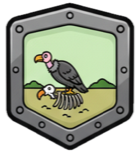


Palm-nut Vulture
Gypohierax angolensis
The Palm-nut Vulture is a special bird that loves to eat palm nuts! It has a unique look with a big beak and fluffy feathers. These birds are often seen soaring high in the sky.
Habitat: Coastal areas
The Palm-nut Vulture has a striking appearance with its mostly white body and bold black flight feathers on its wings and tail. It features a bright, bare orange-red face and a sturdy yellow beak, making it look very different from most other vultures.
Category
BirdsRarity
Common
Danger
1/5 · Very low
Snaps
Be the first to snap!
It uses its strong, hooked beak to pluck oil palm fruits directly from trees.
These vultures sometimes build enormous nests, measuring over a meter wide, high in palm trees.
Unlike other vultures, its diet is mostly vegetarian, focusing on oil palm fruits!
Young Palm-nut Vultures are brown and don't get their white adult feathers until years later.
Palm-nut Vulture can eat tough oil palm fruit because of its unique digestive system, helping it thrive where other vultures cannot.
Palm-nut Vulture can actively catch fish and crabs from water, an unusual skill for a vulture, helping it find diverse food.
Palm-nut Vulture has broad, strong wings that help it soar effortlessly for hours, allowing it to scan vast areas for food.
Unlike most vultures, this unique bird primarily eats oil palm fruit, fish, and crabs!
Elaeis guineensis
Their primary food source is the fruit of this tree.
Oreochromis niloticus
They actively catch and eat various fish species.
Cardisoma armatum
They frequently prey on crabs found in coastal areas.
Feathered describes animals, primarily birds, possessing a covering of feathers.
Social animals live in organized groups, cooperating for survival benefits such as foraging, defense, and raising offspring.
Scavengers consume dead organic matter, helping to decompose carcasses and other waste in the ecosystem.
Gliding animals move through the air by launching themselves and maintaining flight with specialized body structures, without flapping wings.

This trait characterizes organisms whose diet consists entirely or primarily of plant material.

Coastal habitats are dynamic environments located along the interface between land and sea, influenced by tides, waves, and saltwater.

Diurnal animals are primarily active during daylight hours, typically resting or sleeping at night.

Describes a species whose presence and role have a disproportionately large effect on its environment.
No aliases listed yet.
Danger
1/5 · Very low
Always watch birds from a distance and never try to touch them.
The easiest way to identify Palm-nut Vulture is to use the Snappit nature identifier app.
45-60 cm
130-150 cm
1.3-1.7 kg
15-30 years
60 km/h
Unlike most vultures, this unique bird primarily eats oil palm fruit, fish, and crabs!
Coastal areas
Zoom in to split clusters and explore where this object has been snapped.
Recent snaps will appear here as new observations are added.
Take the discovery with you
Snap it with Snappit to identify it, learn what makes it special, and add the discovery to your collection.




.jpg&width=800)








