





Lewis' mock orange
Philadelphus lewisii
Lewis' mock orange is a lovely shrub that blooms with bright white flowers in spring. It has a sweet, citrusy smell that attracts butterflies and bees, making gardens feel magical!
Habitat: Forests
The Lewis' mock orange is a deciduous shrub with an upright, arching habit. It has clusters of four-petaled, bright white flowers, sometimes with purple blotches at their base. Its oval, green leaves appear opposite on the stems, giving it a dense, bushy appearance.
Category
PlantsRarity
Common
Danger
1/5 · Very low
Snaps
5
It's the official state flower of Idaho, chosen for its beauty!
Its sweet-smelling flowers were sometimes used to make fragrant soaps.
Native Americans crafted sturdy arrows and tools from its resilient wood.
Unlike real oranges, the plant's tiny seed capsules are not for eating!
Lewis' mock orange has intensely fragrant flowers that release sweet scents to attract insect pollinators from afar.
This plant can withstand long dry periods, thanks to its robust root system that helps it find water.
Its thick, bushy branches create excellent hiding spots and safe nesting areas for small birds and creatures.
Apis mellifera
Gathers nectar and pollen from flowers
Bombus bifarius
Visits flowers for nectar and pollen
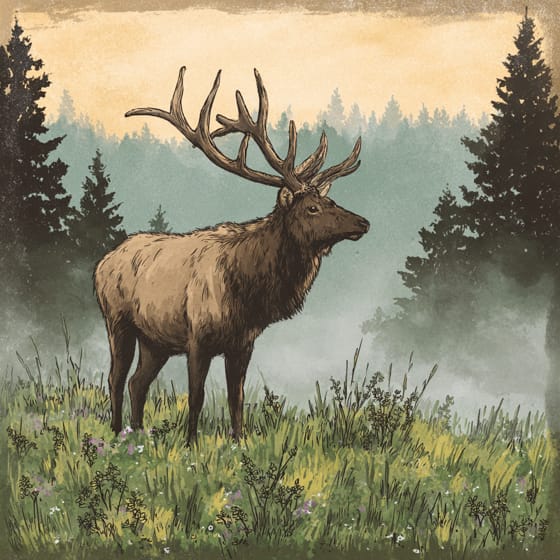
Cervus canadensis
Browses on its leaves and young shoots
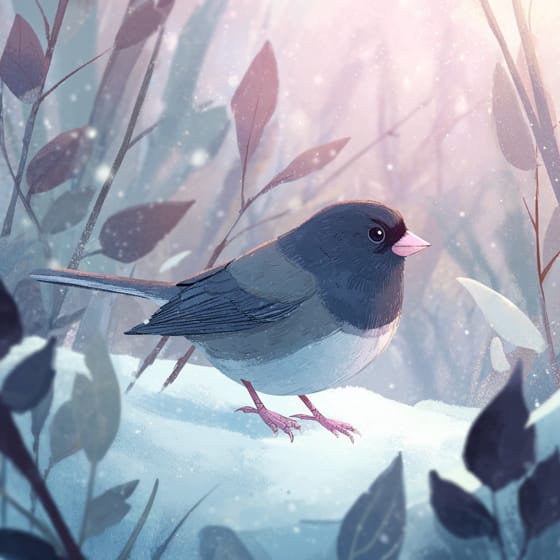
Junco hyemalis
Nests and roosts within its dense branches
Aromatic plants produce and emit fragrant volatile organic compounds, often for defense or to attract pollinators.
Deciduous plants periodically shed all their leaves, typically during autumn or dry seasons.
Flowering plants are any plants that produce flowers as part of their reproductive cycle.
A shrub is a woody plant smaller than a tree, typically with multiple stems branching from or near the ground.

Spring blooming plants produce their flowers during the spring season, often signifying the end of winter and the start of new growth.

Fragrant flowers emit a pleasant aroma, often to attract pollinators or for defense.

Fall color refers to the seasonal change in foliage pigmentation, primarily in deciduous plants, displaying vibrant hues.

Describes plants that are particularly attractive and beneficial to a wide range of pollinating organisms.

Forest habitats are terrestrial environments dominated by dense tree cover, supporting a high diversity of plant and animal life.
No aliases listed yet.
Danger
1/5 · Very low
Always enjoy plants from a distance and don't eat any parts unless an adult says it's safe.
The easiest way to identify Lewis' mock orange is to use the Snappit nature identifier app.
100-300 cm
100-200 cm
2-5 cm
Late_spring_to_early_summer
No
None
Perennial
Zoom in to split clusters and explore where this object has been snapped.

Oregon, US
You might spot Duck, Pacific Trillium, and Wood Duck.
View guide →

British Columbia, CA
You might spot Oregon Grape, Shinyleaf Meadowsweet, and Bush Penstemon.
View guide →
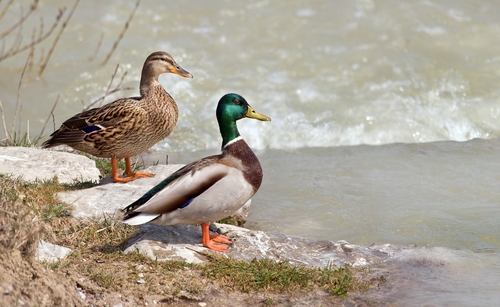
Washington, US
You might spot Duck, Yellow-Bellied Marmot, and Canada Goose.
View guide →

Oregon, US
You might spot Green Alkanet, Western Sword Fern, and Pacific Banana Slug.
View guide →

Washington, US
You might spot Eastern Gray Squirrel, Yellow-Bellied Marmot, and Duck.
View guide →

Oregon, US
You might spot Great White Shark, Blue Spotted Stingray, and Octopus.
View guide →
Take the discovery with you
Snap it with Snappit to identify it, learn what makes it special, and add the discovery to your collection.






.jpg&width=800)


_001.jpg&width=800)




