





Vine Maple
Acer circinatum
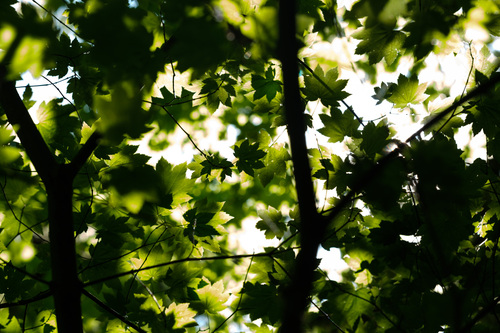
The Vine Maple is a small tree with beautiful, green leaves that turn bright red and orange in the fall. It loves to grow in shady spots and is often found near streams and rivers.
Habitat: Forests
The Vine Maple has slender, often multi-stemmed trunks and smooth, greenish bark. Its distinctive palmate leaves feature 7-9 shallow lobes, turning vibrant shades of red, orange, or yellow in autumn, setting it apart from many other maples.
Category
PlantsRarity
Common
Danger
1/5 · Very low
Snaps
12
Its super flexible wood was traditionally used by Native Americans for making snowshoe frames!
The leaves have tiny hairs on their undersides, which can help store extra water during dry spells!
Vine Maple sap can be tapped and boiled down to make a sweet syrup, just like sugar maples!
You can often find them growing tangled up with other trees, creating cool natural arches!
Vine Maples can bend and twist their flexible trunks, allowing them to grow towards precious sunlight in dense forests.
Its thin leaves are excellent at capturing dappled light, helping it thrive in the shady understory of taller trees.
If damaged, Vine Maple can quickly re-sprout from its base, helping it recover after disturbances like fires.
Castor canadensis
Beavers chew its bark and branches
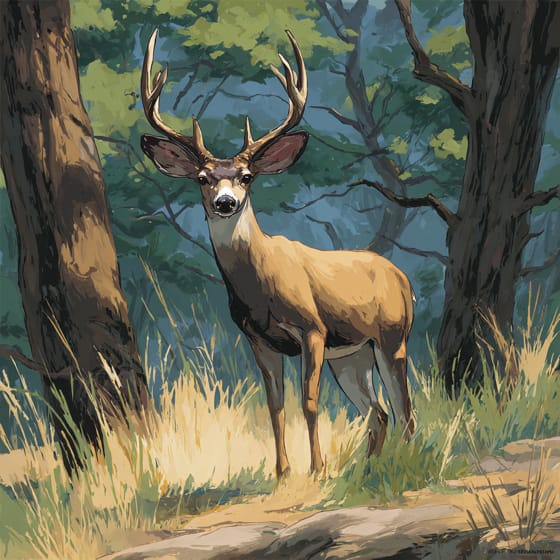
Odocoileus hemionus
Deer browse its leaves and twigs
Apis mellifera
Bees collect nectar from its flowers
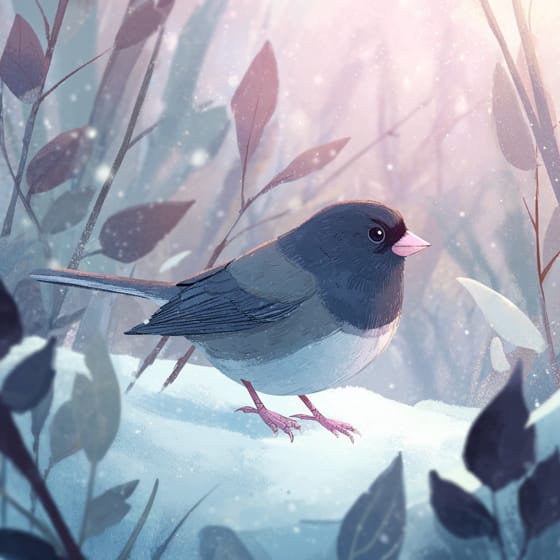
Junco hyemalis
Birds nest in its dense branches
Deciduous plants periodically shed all their leaves, typically during autumn or dry seasons.
Shade tolerant plants are adapted to grow and thrive in areas with low light levels, requiring less direct sunlight.
Broadleaf trees are angiosperms characterized by flat, wide leaves that are typically shed annually in temperate climates.
Colorful describes organisms or objects displaying a wide range of bright and distinct colors.

Fall color refers to the seasonal change in foliage pigmentation, primarily in deciduous plants, displaying vibrant hues.

Describes plants that are particularly attractive and beneficial to a wide range of pollinating organisms.

Forest habitats are terrestrial environments dominated by dense tree cover, supporting a high diversity of plant and animal life.
No aliases listed yet.
Danger
1/5 · Very low
Always stay on paths when exploring forests and don't climb trees without an adult.
The easiest way to identify Vine Maple is to use the Snappit nature identifier app.
500-800 cm
400-600 cm
0.5-1 cm
Spring
Yes
None
Perennial
Zoom in to split clusters and explore where this object has been snapped.
May 28, 2026
Hoyt ArboretumPhoto attribution
no rights reserved
License: CC0 1.0 ↗
Image may be shown cropped inside the card frame.

Washington, US
You might spot Barrow's Goldeneye and Pacific Banana Slug.
View guide →
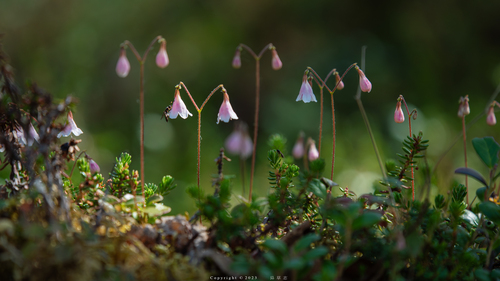
British Columbia, CA
You might spot Twinflower and Western Rattlesnake Plantain.
View guide →
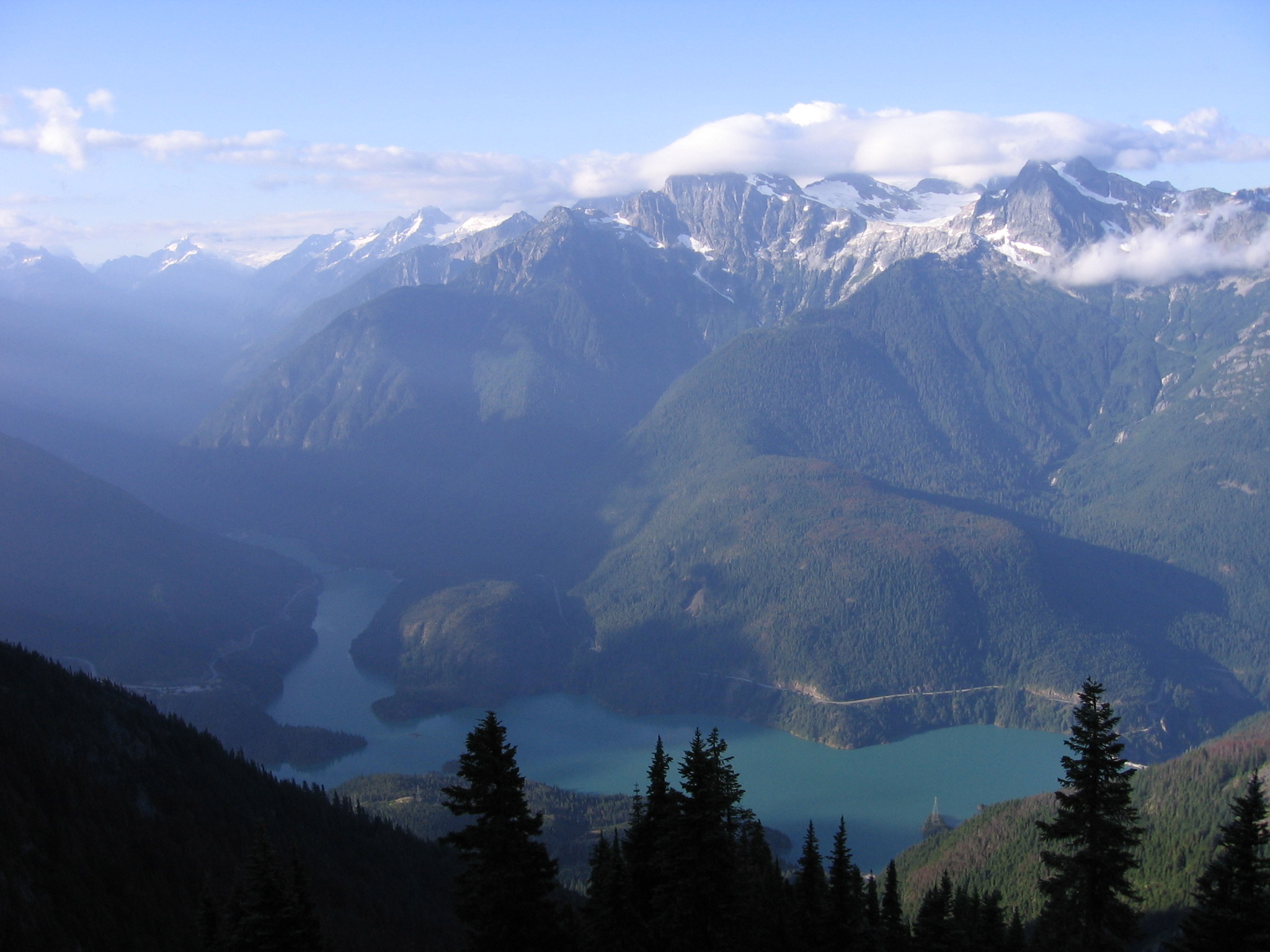
Washington, US
You might spot Cascade Oregon-Grape, Douglas Fir, and Salal.
View guide →

Washington, US
You might spot Northern Flicker, American Robin, and Great Blue Heron.
View guide →

Oregon, US
You might spot Bald Eagle, Golden Eagle, and Snowy Owl.
View guide →

Oregon, US
You might spot Rough-Skinned Newt and Pacific Banana Slug.
View guide →
Take the discovery with you
Snap it with Snappit to identify it, learn what makes it special, and add the discovery to your collection.







.jpg&width=800)


_001.jpg&width=800)



