.jpg&width=800)





Light Emerald
Campaea margaritaria
The Light Emerald is a beautiful moth with bright green wings that look like leaves! It loves to flutter around gardens and forests, especially at night when it’s cooler.
Habitat: Forests
The Light Emerald is a pale green moth, often resembling a fresh leaf. Its delicate wings have faint wavy white lines and a distinctive jagged outer edge, making it appear irregular and camouflaged. This coloration helps it blend seamlessly into its leafy surroundings.
Category
InsectsRarity
Common
Danger
1/5 · Very low
Snaps
Be the first to snap!
Adult Light Emerald moths often have short, hairy antennae, not large feathery ones.
Its caterpillars are also green and bumpy, looking just like twigs or leaf stalks!
The beautiful green color of their wings can slowly fade to yellowish as they get older.
These clever moths sometimes taste plants with their feet to find the perfect spot to lay eggs.
Light Emerald has wavy wing edges and a pale green color that helps them perfectly mimic the shape and shade of a fresh leaf, making them invisible to predators.
Light Emerald can expertly fly and find food in the dark because of its large, specialized eyes that help them navigate the night sky.
Light Emerald's irregular wing shape and resting posture can make it look like a tattered or half-eaten leaf, deterring birds and other predators.
Adults sip nectar, while their caterpillars are leaf-munching herbivores.
Age differences: Adults feed on nectar, while caterpillars feed on the leaves of various trees and shrubs.

Quercus robur
Caterpillars munch on its leaves.
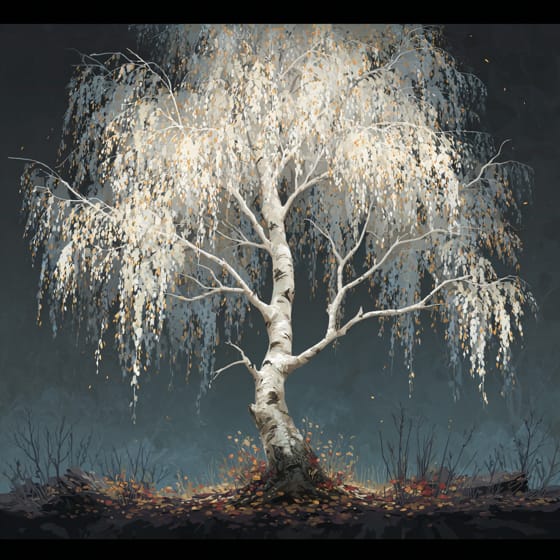
Betula pendula
A favored host plant for hungry larvae.
Fagus sylvatica
Larvae feed on its foliage.
Pipistrellus pipistrellus
Frequently hunted by bats at night.
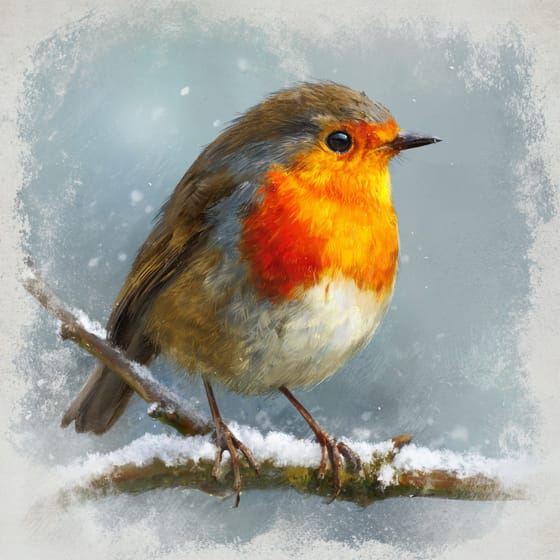
Erithacus rubecula
May be eaten by birds during the day.
Solitary animals live alone for most of their lives, only interacting with others for mating or parental care.
Camouflaged describes organisms that possess coloring or patterns that allow them to blend into their environment.
Colorful describes organisms or objects displaying a wide range of bright and distinct colors.
This trait characterizes organisms whose diet consists entirely or primarily of plant material.

Describes plants that are particularly attractive and beneficial to a wide range of pollinating organisms.

Forest habitats are terrestrial environments dominated by dense tree cover, supporting a high diversity of plant and animal life.

Nocturnal animals are primarily active during the nighttime hours, typically resting or sleeping during the day.

Describes organisms that transfer pollen, enabling the fertilization and reproduction of plants.
No aliases listed yet.
Danger
1/5 · Very low
Moths are gentle creatures, but it's best to watch them from a distance.
The easiest way to identify Light Emerald is to use the Snappit nature identifier app.
30-45 mm
15-20 mm
14-28 days
Adults sip nectar, while their caterpillars are leaf-munching herbivores.
Forests
Foraging
6
Zoom in to split clusters and explore where this object has been snapped.
Recent snaps will appear here as new observations are added.
Take the discovery with you
Snap it with Snappit to identify it, learn what makes it special, and add the discovery to your collection.








.jpg&width=800)


