





Lined Longhorn Beetle
Analeptura lineola
The Lined Longhorn Beetle is a colorful insect with long antennae that look like tiny horns! They love to munch on wood and can often be found in forests or gardens.
Habitat: Forests
The Lined Longhorn Beetle is slender and elongated, typically reddish-brown to dark brown, marked with distinct paler longitudinal stripes on its wing covers. It has exceptionally long antennae, which can often be longer than its entire body, especially in males.
Category
InsectsRarity
Common
Danger
1/5 · Very low
Snaps
Be the first to snap!
Lined Longhorn larvae spend years hidden inside dead wood before they emerge as adults!
Longhorn beetles can make squeaking sounds by rubbing body parts, a tiny alarm!
Male Lined Longhorns often have antennae stretching far beyond their body length!
The Lined Longhorn's antennae can 'taste' as well as smell, exploring their world!
Lined Longhorn Beetles have super-long antennae that help them detect mates and food sources using chemical signals and vibrations.
Lined Longhorn Beetle larvae can tunnel deep into dead wood using their strong mandibles, which helps them access nutrients and shelter.
Lined Longhorn Beetle larvae help speed up the decomposition of dead trees, which helps cycle nutrients back into the forest soil.
Larvae munch on dead wood, helping recycle nutrients; adults may sip nectar.
Age differences: Larvae bore and feed on dead wood, while adults may forage for nectar or pollen, or not feed at all.
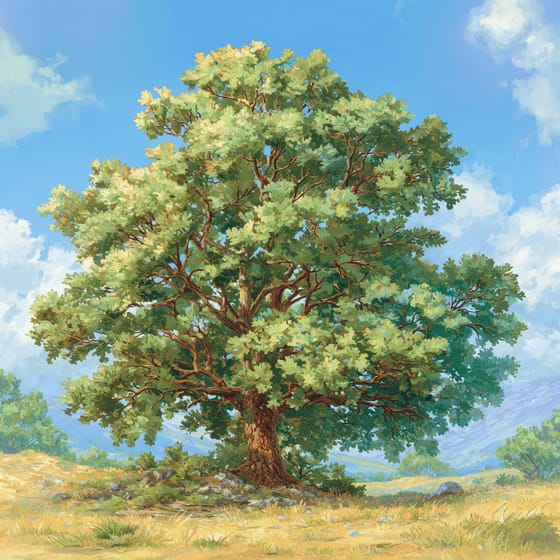
Quercus alba
Larvae feed within the decaying wood of oak trees.
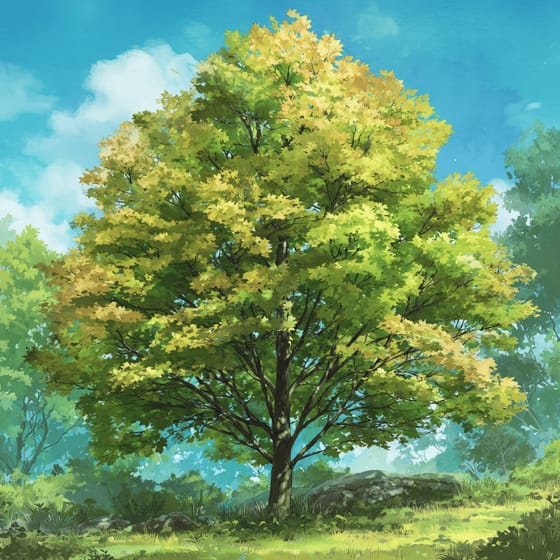
Acer saccharum
Larvae also bore into the dead wood of maple trees.
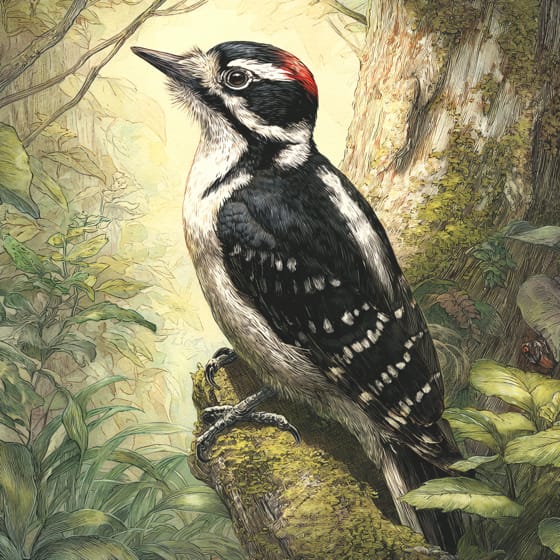
Picoides villosus
Woodpeckers can extract larvae from infested trees for food.
Trametes versicolor
Fungi help soften wood, making it easier for larvae to tunnel.
Marked with parallel bands or lines of color.
Solitary animals live alone for most of their lives, only interacting with others for mating or parental care.
Colorful describes organisms or objects displaying a wide range of bright and distinct colors.
This trait characterizes organisms whose diet consists entirely or primarily of plant material.

Describes organisms that break down dead organic material, recycling nutrients back into the ecosystem.

Forest habitats are terrestrial environments dominated by dense tree cover, supporting a high diversity of plant and animal life.

Diurnal animals are primarily active during daylight hours, typically resting or sleeping at night.

Describes organisms that transfer pollen, enabling the fertilization and reproduction of plants.
No aliases listed yet.
Danger
1/5 · Very low
These beetles are not harmful, but it's best to watch them from a distance.
The easiest way to identify Lined Longhorn Beetle is to use the Snappit nature identifier app.
14-30 mm
7-15 mm
30-90 days
Larvae munch on dead wood, helping recycle nutrients; adults may sip nectar.
Forests
Foraging
6
Zoom in to split clusters and explore where this object has been snapped.
Recent snaps will appear here as new observations are added.
Take the discovery with you
Snap it with Snappit to identify it, learn what makes it special, and add the discovery to your collection.








.jpg&width=800)


