





True Bugs
Heteroptera
True bugs are fascinating insects known for their unique mouthparts that suck juices from plants or other insects. They come in many shapes and colors, making them exciting to observe in nature!
Habitat: True bugs can be found in various habitats, including gardens, forests, and grasslands.
The True Bugs have unique forewings, called hemelytra, that are hardened at the base and membranous at the tips, often forming a distinct 'X' pattern on their backs. They possess a prominent piercing-sucking mouthpart (proboscis) folded under their head, which differentiates them from other insects. Their coloration varies widely, from drab browns and greens for camouflage to vibrant reds and yellows.
Category
InsectsRarity
Common
Danger
1/5 · Very low
Snaps
Be the first to snap!
Bed bugs are true bugs that hide during the day and feast on human blood at night!
Giant water bugs are fierce predators that can catch and eat small fish and even frogs!
Many true bugs have unique forewings, called hemelytra, which are half-hardened and half-membranous!
There are over 40,000 different species of true bugs found all around the world!
True Bugs can drink liquids like plant sap, blood, or insect fluids because of their specialized straw-like proboscis.
True Bugs can deter predators by releasing foul-smelling chemicals from special glands when threatened.
Some True Bugs can walk on water or swim efficiently because of their specially adapted legs and body shape.
Some True Bugs, like assassin bugs, can inject venom to paralyze their prey before consuming it.
True bugs sip plant sap, blood, or body fluids from other insects using their straw-like mouthparts.
Age differences: Nymphs often eat the same foods as adults, but may target smaller prey or plant parts.
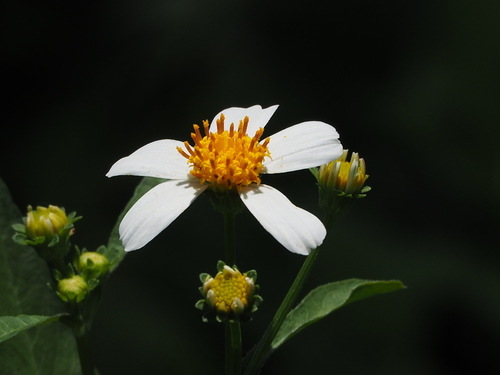
Lygus lineolaris
Feeds on the developing seeds and sap of sunflowers.
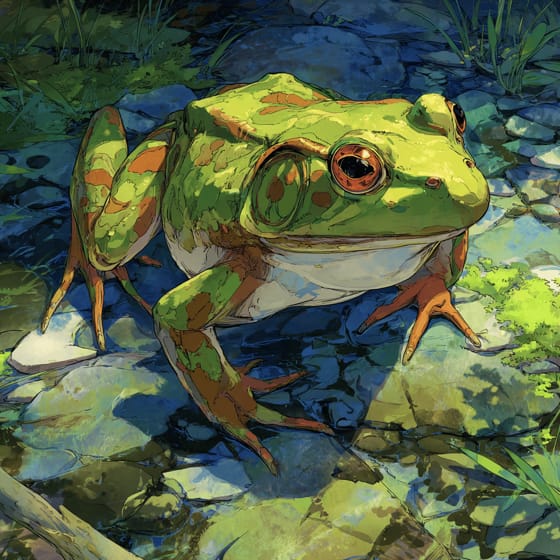
Rana catesbeiana
Giant water bugs prey on small amphibians and fish.
Cimex lectularius
Bed bugs are nocturnal feeders on human blood.
Apis mellifera
Ambush bugs hide in flowers to ambush and capture bees.
Social animals live in organized groups, cooperating for survival benefits such as foraging, defense, and raising offspring.
Camouflaged describes organisms that possess coloring or patterns that allow them to blend into their environment.
Colorful describes organisms or objects displaying a wide range of bright and distinct colors.
This trait characterizes organisms whose diet consists entirely or primarily of plant material.

Diurnal animals are primarily active during daylight hours, typically resting or sleeping at night.
Danger
1/5 · Very low
No special safety notes yet.
The easiest way to identify True Bugs is to use the Snappit nature identifier app.
2-150 mm
1-100 mm
30-365 days
20 km/h
True bugs sip plant sap, blood, or body fluids from other insects using their straw-like mouthparts.
True bugs can be found in various habitats, including gardens, forests, and grasslands.
Foraging
Zoom in to split clusters and explore where this object has been snapped.
Recent snaps will appear here as new observations are added.
Take the discovery with you
Snap it with Snappit to identify it, learn what makes it special, and add the discovery to your collection.








.jpg&width=800)



