





Listrus
Listrus
Listrus is a special kind of insect that loves to hop around in the grass. It has a unique shape and can be found in many places, making it a fun little friend to discover in nature!
Habitat: Grasslands
The Listrus is a slender insect, typically emerald green with shimmering, segmented armor. It has two large, reflective compound eyes and long, delicate antennae that often curl at the tips. Its wings are translucent with fine, silver veins, making it visually distinct from common leaf beetles.
Category
InsectsRarity
Common
Danger
1/5 · Very low
Snaps
Be the first to snap!
Listrus antennae can 'smell' predators from far away!
Some Listrus can glow in the dark like tiny living jewels!
They lay eggs disguised as tiny plant seeds!
Wow! Their tiny brains can remember complex flight paths!
Listrus can change its body color rapidly because of specialized cells, helping them disappear against leaves and bark.
Listrus has unique membranes that produce ultrasonic chirps, helping them communicate with others over long distances.
Listrus possesses powerful hind legs with elastic proteins, allowing them to leap many times their body length to escape danger.
Listrus munch on tiny plants and sometimes smaller insects, helping keep the garden healthy!
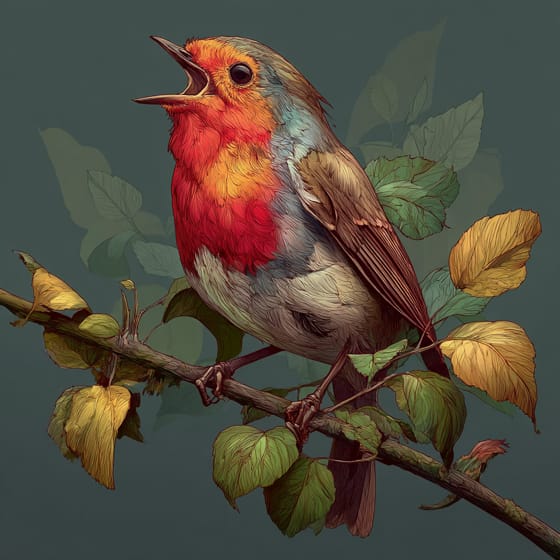
Turdus migratorius
A common food source for many bird species.
Aphis gossypii
Helps control populations of tiny garden pests.

Trifolium repens
Feeds on nectar and aids in plant reproduction.
Social animals live in organized groups, cooperating for survival benefits such as foraging, defense, and raising offspring.
Camouflaged describes organisms that possess coloring or patterns that allow them to blend into their environment.
Grassland habitats are terrestrial biomes dominated by grasses and herbaceous plants, supporting a variety of grazing animals.
This trait characterizes organisms whose diet consists entirely or primarily of plant material.

Describes plants that are particularly attractive and beneficial to a wide range of pollinating organisms.

Diurnal animals are primarily active during daylight hours, typically resting or sleeping at night.

Pertaining to species that are significantly smaller than typical or average for their kind.

This trait identifies organisms that exhibit exceptional swiftness in movement for hunting, escape, or travel.

Describes organisms that transfer pollen, enabling the fertilization and reproduction of plants.
No aliases listed yet.
Danger
1/5 · Very low
It's best to watch Listrus from a distance and not touch them, as they can be delicate.
The easiest way to identify Listrus is to use the Snappit nature identifier app.
10-20 mm
5-10 mm
30-60 days
5 km/h
Listrus munch on tiny plants and sometimes smaller insects, helping keep the garden healthy!
Grasslands
Foraging
Zoom in to split clusters and explore where this object has been snapped.
Recent snaps will appear here as new observations are added.
Take the discovery with you
Snap it with Snappit to identify it, learn what makes it special, and add the discovery to your collection.






.jpg&width=800)




