





Locustberry
Byrsonima lucida
The Locustberry is a small shrub that grows bright yellow berries. These berries are sweet and can be eaten by people and animals alike. It has shiny green leaves that make it look beautiful in gardens.
Habitat: Forests
The Locustberry is an evergreen shrub or small tree with glossy, oval, dark green leaves. It produces clusters of small, five-petaled flowers, which typically start yellow and mature to shades of pink or orange, followed by small, round, red to dark purple berries.
Category
PlantsRarity
Common
Danger
1/5 · Very low
Snaps
Be the first to snap!
Ancient people in Florida used parts of this plant for traditional medicine and food!
Its tasty berries are sometimes called 'locust plums' and can be eaten fresh or made into preserves!
Sometimes, a single Locustberry plant can have flowers and ripe berries all at the same time!
The wood of the locustberry is super dense and tough, even though the tree itself isn't huge!
Locustberry can thrive in dry, sandy soils that other plants struggle with, helping it survive harsh conditions.
Locustberry's flowers change from yellow to pink, signaling to pollinators they are ready for a visit.
Locustberry has adaptations to withstand salt spray, allowing it to flourish in coastal environments.
Apis mellifera
Helps spread pollen between flowers.
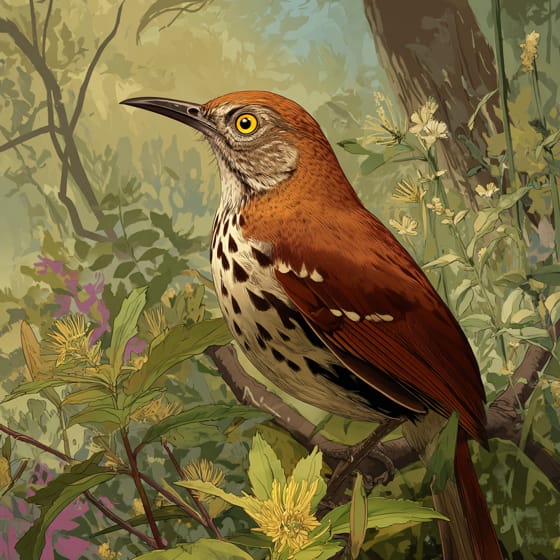
Toxostoma rufum
Feeds on its sweet, nutritious berries.
.jpg&width=800)
Polioptila caerulea
Nests and hides among its dense leaves.

Homo sapiens
Consumes its flavorful fruit.
Deciduous plants periodically shed all their leaves, typically during autumn or dry seasons.
Ornamental plants are cultivated primarily for their aesthetic appeal, enhancing landscapes and gardens with their attractive foliage, flowers, or form.
A shrub is a woody plant smaller than a tree, typically with multiple stems branching from or near the ground.
Fruit-bearing plants produce fruits, which are the mature ovaries of flowering plants containing seeds.

Edible plants are those parts of a plant that are considered safe for human consumption.

Describes plants that are particularly attractive and beneficial to a wide range of pollinating organisms.

Forest habitats are terrestrial environments dominated by dense tree cover, supporting a high diversity of plant and animal life.
No aliases listed yet.
Danger
1/5 · Very low
Always wash berries before eating them, and ask an adult for help.
The easiest way to identify Locustberry is to use the Snappit nature identifier app.
100-500 cm
100-300 cm
0.5-1 cm
Spring to Summer
Yes
None
Perennial
Zoom in to split clusters and explore where this object has been snapped.
Recent snaps will appear here as new observations are added.
Take the discovery with you
Snap it with Snappit to identify it, learn what makes it special, and add the discovery to your collection.







.jpg&width=800)



_001.jpg&width=800)



