.jpg&width=800)





Lodgepole Chipmunk
Neotamias speciosus
The Lodgepole Chipmunk is a small, striped animal that loves to scurry around in the forest. They have big cheeks to store food and are very playful, making them fun to watch!
Habitat: Forests
The Lodgepole Chipmunk is a small, striped rodent with five prominent dark stripes on its back, separated by lighter stripes. Its fur is reddish-brown to grayish-brown, with white underparts and a distinct white stripe above and below its eye. A relatively long, bushy tail completes its look.
Category
MammalsRarity
Common
Danger
1/5 · Very low
Snaps
Be the first to snap!
Lodgepole Chipmunks are very territorial and will boldly chase rivals away from their space.
Their stripes help break up their shape, hiding them from sharp-eyed hawks!
They 'hibernate' but wake often to snack on stored food in their cozy burrow!
They use their bushy tail as a counterbalance, helping them scamper quickly and safely.
Lodgepole Chipmunk has expandable cheek pouches that help them carry large amounts of food back to their burrows for storage.
Lodgepole Chipmunk can climb trees and rocks with ease because of its agile body and sharp claws that help it navigate its habitat.
Lodgepole Chipmunk can dig intricate underground burrows that help them stay safe from predators and store food during winter.
These busy chipmunks mostly eat seeds, nuts, and berries they gather in their forest homes.
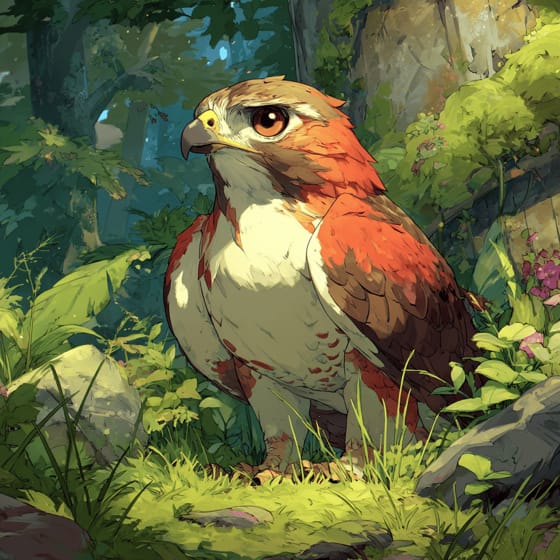
Buteo jamaicensis
A common aerial predator soaring above its forest home.

Pinus contorta
Relies on this tree's seeds as a major food source.
Mustela erminea
A swift ground predator that hunts chipmunks in their burrows.

Vaccinium scoparium
Enjoys the tasty fruits of this common forest shrub.
Furry describes animals possessing a dense covering of soft hair or fur.
Marked with parallel bands or lines of color.
Social animals live in organized groups, cooperating for survival benefits such as foraging, defense, and raising offspring.
This trait identifies organisms whose diet includes both plant and animal matter.

Arboreal animals live primarily in trees, utilizing them for shelter, food, and protection from predators.

Forest habitats are terrestrial environments dominated by dense tree cover, supporting a high diversity of plant and animal life.

Diurnal animals are primarily active during daylight hours, typically resting or sleeping at night.
No aliases listed yet.
Danger
1/5 · Very low
Watch from a distance and don't try to touch or catch them.
The easiest way to identify Lodgepole Chipmunk is to use the Snappit nature identifier app.
18-24 cm
0.045-0.08 kg
2-5 years
15 km/h
These busy chipmunks mostly eat seeds, nuts, and berries they gather in their forest homes.
Forests
Foraging
Zoom in to split clusters and explore where this object has been snapped.
Recent snaps will appear here as new observations are added.
Take the discovery with you
Snap it with Snappit to identify it, learn what makes it special, and add the discovery to your collection.




.jpg&width=800)

.JPG&width=800)



.jpg&width=800)
