





Silver-haired Bat
Lasionycteris noctivagans
The Silver-haired Bat is a small, furry bat with shiny silver hair. They love to fly around at night, catching insects in the air. These bats help keep the bug population down!
Habitat: Forests
The Silver-haired Bat has thick, dark brown to black fur tipped with silvery-white, giving it a frosty appearance. It has short, rounded ears and a short, blunt snout, making it look distinct from other North American bats.
Category
MammalsRarity
Common
Danger
1/5 · Very low
Snaps
1
Baby silver-haired bats are called pups, and mothers usually give birth to twins!
Their furry bodies help keep them warm even during chilly nights in northern forests!
They can eat hundreds of tiny insects in a single night, like tiny vacuum cleaners!
They often roost alone, making them one of North America's most solitary bat species!
Silver-haired Bat can use echolocation to create a sound map, helping them find prey and navigate in total darkness.
Silver-haired Bats have a strong instinct to travel long distances, moving between summer breeding grounds and warmer winter sites.
Silver-haired Bats possess flexible wings that help them perform quick turns and precise maneuvers while chasing insects mid-air.
They are insectivores that feast on small flying insects caught during flight at night.
.jpg&width=800)
Malacosoma americanum
preys on this common forest pest.
Dendroctonus ponderosae
helps control tree-damaging beetle populations.
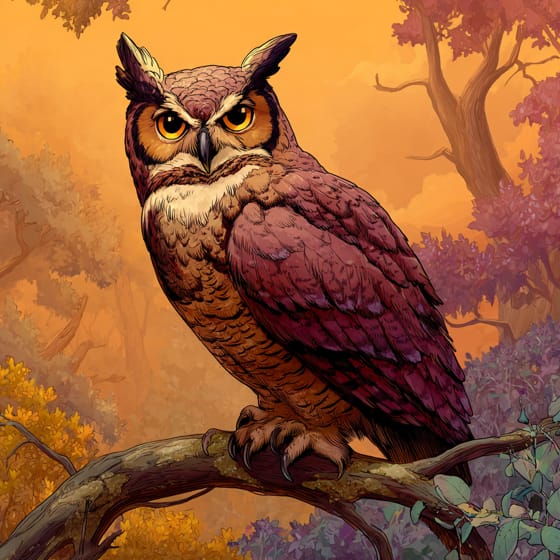
Bubo virginianus
can be caught by this nocturnal hunter.
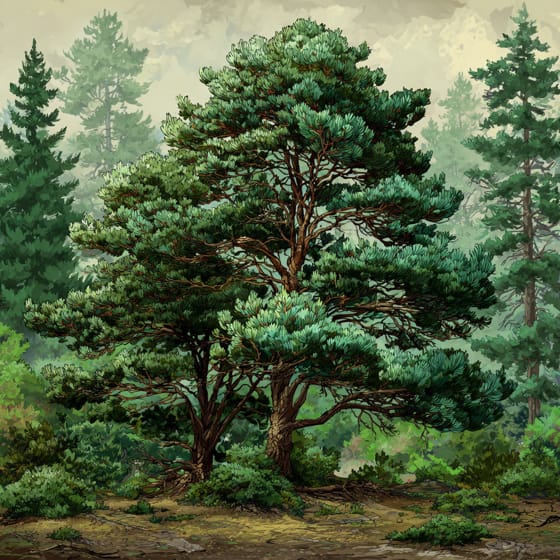
Pinus strobus
often roosts under bark or in cavities of these trees.
Furry describes animals possessing a dense covering of soft hair or fur.
Solitary animals live alone for most of their lives, only interacting with others for mating or parental care.
This trait identifies organisms whose diet primarily consists of insects and other small invertebrates.
Echolocation is a biological sonar used by animals to navigate, hunt, and communicate by emitting sound waves and interpreting the echoes.

Forest habitats are terrestrial environments dominated by dense tree cover, supporting a high diversity of plant and animal life.

This trait characterizes organisms with an exceptionally long lifespan compared to others of their kind.

This trait identifies organisms that exhibit exceptional swiftness in movement for hunting, escape, or travel.

Nocturnal animals are primarily active during the nighttime hours, typically resting or sleeping during the day.
No aliases listed yet.
Danger
1/5 · Very low
Bats are usually shy and won't bother you. Just watch them from a distance!
The easiest way to identify Silver-haired Bat is to use the Snappit nature identifier app.
4.5-6.5 cm
27-31 cm
0.008-0.016 kg
10-12 years
35 km/h
They are insectivores that feast on small flying insects caught during flight at night.
Forests
Zoom in to split clusters and explore where this object has been snapped.

New Jersey, US
You might spot Sweet Pepperbush, Sheep Laurel, and Pickerelweed.
View guide →
_(16639600986).jpg)
New York, US
You might spot White Mulberry and Striped Greenhouse Slug.
View guide →

New York, US
You might spot Flixweed, Common Mugwort, and Northern Seaside Goldenrod.
View guide →
Take the discovery with you
Snap it with Snappit to identify it, learn what makes it special, and add the discovery to your collection.




.jpg&width=800)


.JPG&width=800)



.jpg&width=800)
