





Loosestrife Sawfly
Monostegia abdominalis
The Loosestrife Sawfly is a small insect that loves to munch on plants, especially loosestrife. They have a shiny body and can be found in gardens and wetlands, making them fun to spot!
Habitat: Wetlands
The Loosestrife Sawfly is a small, stout-bodied insect with a shiny black head and thorax. Its most striking feature is a bright, often orange or yellowish-red, abdomen that contrasts sharply with its darker body. It has clear, membranous wings with dark veins.
Category
InsectsRarity
Common
Danger
1/5 · Very low
Snaps
Be the first to snap!
Adult sawflies use a special 'saw' to cut tiny slits in plants for laying eggs.
Sawfly larvae look like caterpillars but have extra belly-legs to hold onto plants!
Some sawfly larvae can squirt out sticky goo to scare away hungry predators!
Unlike many wasps, sawflies can't sting, making them harmless to people!
Loosestrife Sawfly larvae can digest tough plant leaves because of specialized mouthparts that help them get nutrients.
Loosestrife Sawfly adults have a saw-like tool to cut into plant stems and leaves, which helps them safely lay their eggs.
Loosestrife Sawfly larvae look like caterpillars, which helps them blend in with common leaf-eaters and avoid some predators.
Larvae munch on plant leaves, while adults might sip sweet nectar.
Age differences: Larvae eat leaves, but adults primarily seek nectar.
Lysimachia vulgaris
Larvae feed on its leaves
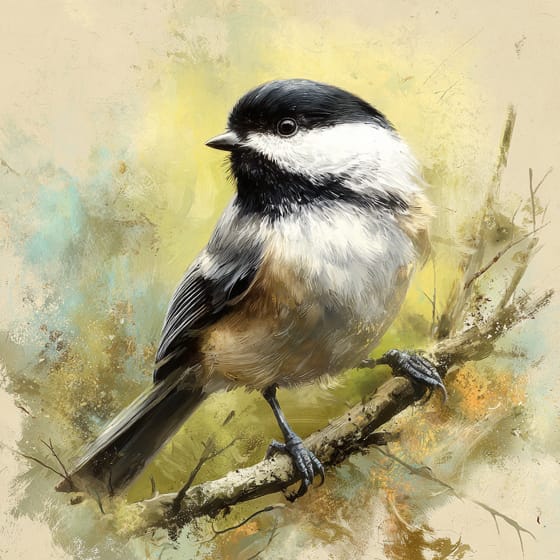
Poecile atricapillus
Feeds on larvae and adults
Araneus diadematus
Spiders prey on adults
Social animals live in organized groups, cooperating for survival benefits such as foraging, defense, and raising offspring.
Colorful describes organisms or objects displaying a wide range of bright and distinct colors.
This trait characterizes organisms whose diet consists entirely or primarily of plant material.
This habitat trait identifies species found in wetlands, which are areas of land saturated with water, either permanently or seasonally, including marshes, swamps, and bogs.

Diurnal animals are primarily active during daylight hours, typically resting or sleeping at night.

Describes a species whose presence and role have a disproportionately large effect on its environment.

Describes organisms that transfer pollen, enabling the fertilization and reproduction of plants.
No aliases listed yet.
Danger
1/5 · Very low
It's best to watch these insects from a distance and not touch them.
The easiest way to identify Loosestrife Sawfly is to use the Snappit nature identifier app.
10-18 mm
5-9 mm
10-25 days
Larvae munch on plant leaves, while adults might sip sweet nectar.
Wetlands
Foraging
6
Zoom in to split clusters and explore where this object has been snapped.
Recent snaps will appear here as new observations are added.
Take the discovery with you
Snap it with Snappit to identify it, learn what makes it special, and add the discovery to your collection.







.jpg&width=800)


