





Madder
Rubia L.
Madder is a plant with small, star-shaped flowers that can be used to make red dye. It grows low to the ground and is loved by butterflies for its sweet nectar.
Habitat: Desert
The Madder is a scrambling plant with rough, lance-shaped leaves arranged in whorls around square stems. It produces tiny, star-shaped, greenish-yellow flowers in summer, followed by small black berries. Its stems and leaves are covered in hooked prickles, helping it cling and climb.
Category
PlantsRarity
Common
Danger
2/5 · Low
Snaps
Be the first to snap!
Ancient Egyptians used madder to dye mummy wrappings a deep reddish-brown color!
Madder berries turn a dark, shiny black, looking like tiny beads on the plant!
Roman soldiers would sometimes color their cloaks with madder dye to show their rank.
The bright red dye from madder was once more valuable than gold in some places!
Madder has special chemicals in its roots that create vibrant red and orange dyes used to color fabrics for thousands of years.
Its square stems and rough leaves have tiny, hooked prickles that help it scramble over other plants to reach sunlight.
Madder can grow deep roots that help it find and absorb water even in dry, rocky soils where other plants struggle.
Apis mellifera
Helps madder flowers make seeds.
Bombus terrestris
Visits flowers for nectar and pollen.
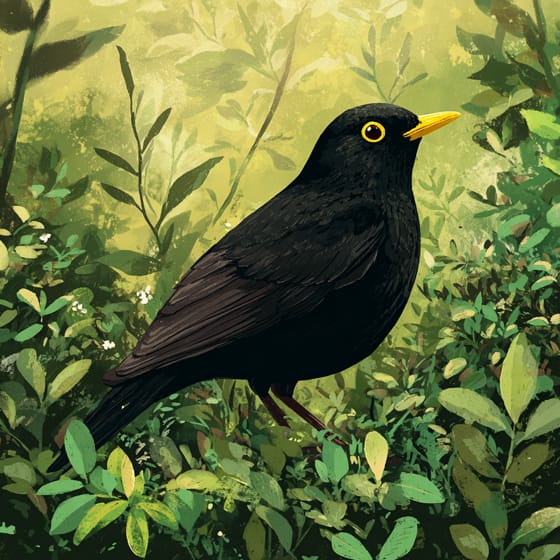
Turdus merula
Feeds on madder's small black berries, spreading seeds.
Deciduous plants periodically shed all their leaves, typically during autumn or dry seasons.
This human use trait indicates species from which natural dyes can be extracted and used to color textiles, food, or other materials.
Fragrant flowers emit a pleasant aroma, often to attract pollinators or for defense.
Medicinal plants possess chemical compounds that can be used for therapeutic purposes to treat illnesses or maintain health.

Desert habitats are arid regions characterized by extremely low precipitation and often extreme temperatures, supporting specialized flora and fauna.

This trait signifies organisms belonging to a very old evolutionary group with ancestors dating back millions of years.

Describes organisms that transfer pollen, enabling the fertilization and reproduction of plants.
Danger
2/5 · Low
Enjoy looking at madder plants, but avoid picking or eating them as some parts may be harmful.
The easiest way to identify Madder is to use the Snappit nature identifier app.
50-150 cm
30-100 cm
0.2-0.5 cm
Summer
No
Mild
Perennial
Zoom in to split clusters and explore where this object has been snapped.
Recent snaps will appear here as new observations are added.
Take the discovery with you
Snap it with Snappit to identify it, learn what makes it special, and add the discovery to your collection.








.jpg&width=800)


_001.jpg&width=800)




