_female.jpg&width=800)





Malagasy Giant Chameleon
furcifer oustaleti
The Malagasy Giant Chameleon is a colorful reptile that can change its colors to blend in with its surroundings! It has a long, sticky tongue that helps it catch insects for lunch.
Habitat: Tropical forests of Madagascar
The Malagasy Giant Chameleon is one of the largest chameleons, often displaying vibrant green, brown, or grey patterns. Males have a prominent casque and two large, bony ridges along their snout, distinguishing them from females. Their large, independently moving eyes add to their distinctive appearance.
Category
ReptilesRarity
Common
Danger
1/5 · Very low
Snaps
Be the first to snap!
A Malagasy Giant Chameleon hatchling is smaller than a human thumb!
Their sticky tongue can launch from zero to 60 mph in a blink!
They can hear, but have no outer ears, just internal ear bones!
This chameleon's skin isn't just for color; it's covered in tiny, reflective crystals!
Malagasy Giant Chameleons can shoot their tongue out twice their body length to snatch insects instantly.
Malagasy Giant Chameleons can change their skin color to blend into surroundings or express mood.
Malagasy Giant Chameleons have a tail that can grip branches like an extra hand for climbing stability.
They are expert hunters, using their lightning-fast tongue to catch various insects and small creatures.
Gryllus bimaculatus
Main prey source for these large chameleons.
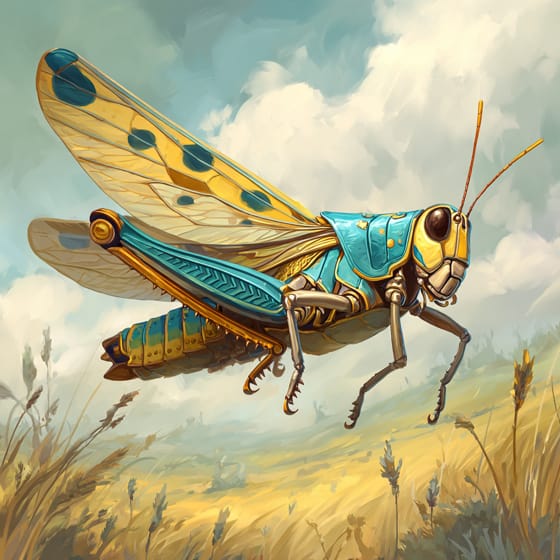
Locusta migratoria
Common insect prey in their Madagascan habitat.
Accipiter madagascariensis
Major aerial predator of smaller chameleons.
Boa manditra
Known snake predator of chameleons in Madagascar.
Arboreal animals live primarily in trees, utilizing them for shelter, food, and protection from predators.
Camouflaged describes organisms that possess coloring or patterns that allow them to blend into their environment.
Colorful describes organisms or objects displaying a wide range of bright and distinct colors.
This trait identifies organisms whose diet consists entirely or primarily of animal tissue.

Diurnal animals are primarily active during daylight hours, typically resting or sleeping at night.
Danger
1/5 · Very low
No special safety notes yet.
The easiest way to identify Malagasy Giant Chameleon is to use the Snappit nature identifier app.
40-68 cm
0.2-0.8 kg
2-8 years
0.5 km/h
They are expert hunters, using their lightning-fast tongue to catch various insects and small creatures.
Tropical forests of Madagascar
Ambush
Zoom in to split clusters and explore where this object has been snapped.
Recent snaps will appear here as new observations are added.
Take the discovery with you
Snap it with Snappit to identify it, learn what makes it special, and add the discovery to your collection.












