





Manica
Manica
The Manica is a small insect that loves to buzz around flowers. They are colorful and can be found in many gardens, making them fun to spot!
Habitat: Gardens
The Manica is a medium-sized ant, typically reddish-brown to dark brown, with a robust body. It has a distinctive two-segmented petiole and often features prominent spines on its back, giving it a somewhat spiky appearance.
Category
InsectsRarity
Common
Danger
1/5 · Very low
Snaps
Be the first to snap!
A single Manica queen can lay thousands of eggs in her long lifetime!
Some Manica ants farm fungi underground, just like tiny gardeners!
Their colonies build intricate tunnels and chambers that can go very deep.
They use their antennae to smell and feel, almost like super-sensing fingers!
Manica ants can deliver a painful sting because of a specialized venom apparatus that helps them defend their colony and subdue prey.
Manica ants can leave invisible scent trails using pheromones, which helps them guide nestmates to food sources and warn of danger.
Manica ants have strong, serrated mandibles that help them crush seeds, cut vegetation, and fight off enemies.
These ants enjoy a varied menu, eating both plants and other small creatures.
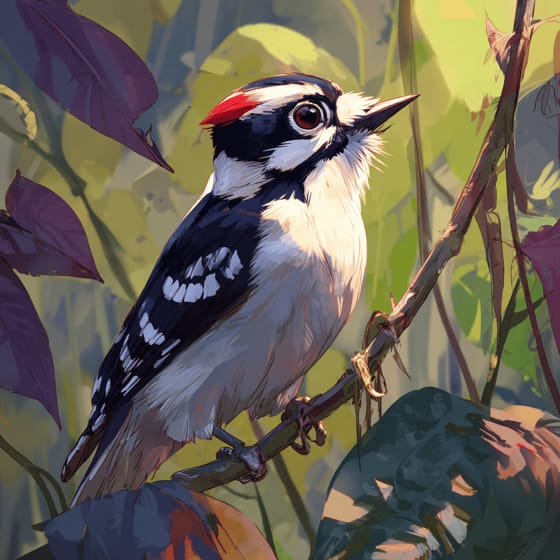
Dryobates pubescens
Woodpeckers forage for ants in tree bark and on the ground.
Aphis gossypii
Manica tend and protect aphids for their sweet honeydew secretions.
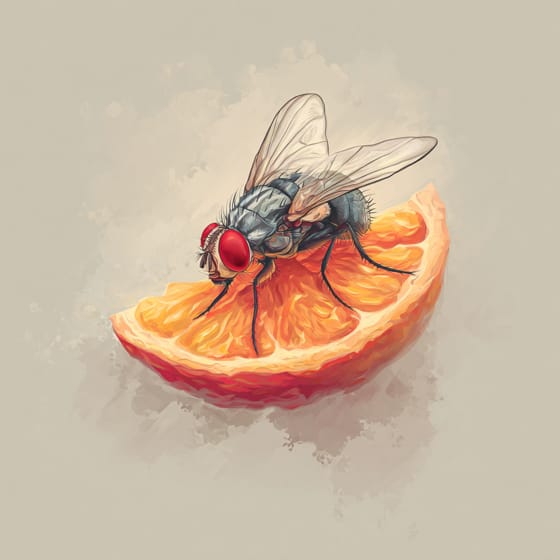
Drosophila melanogaster
Forages for small dead or incapacitated insects.
Social animals live in organized groups, cooperating for survival benefits such as foraging, defense, and raising offspring.
Colorful describes organisms or objects displaying a wide range of bright and distinct colors.
This trait characterizes organisms whose diet consists entirely or primarily of plant material.
Describes plants that are particularly attractive and beneficial to a wide range of pollinating organisms.

Diurnal animals are primarily active during daylight hours, typically resting or sleeping at night.

This habitat trait indicates species that can coexist with humans in urban and suburban environments, utilizing man-made structures and green spaces.

Describes organisms that transfer pollen, enabling the fertilization and reproduction of plants.
No aliases listed yet.
Danger
1/5 · Very low
Insects like Manicas are usually harmless, but it's best to watch them from a distance.
The easiest way to identify Manica is to use the Snappit nature identifier app.
3-8 mm
60-365 days
These ants enjoy a varied menu, eating both plants and other small creatures.
Gardens
Foraging
6
500-5000
Zoom in to split clusters and explore where this object has been snapped.
Recent snaps will appear here as new observations are added.
Take the discovery with you
Snap it with Snappit to identify it, learn what makes it special, and add the discovery to your collection.




.jpg)



.jpg&width=800)



