





Mantids
Mantidae
Mantids are fascinating insects known for their unique shape and ability to turn their heads. They are great at hiding and can be found in gardens and forests, making them fun to spot!
Habitat: Gardens, forests
The Mantids has an elongated body, a triangular head with large compound eyes, and powerful, spiky forelegs. Their color ranges from vivid green to mottled brown, helping them perfectly blend into leaves, bark, or flowers.
Category
InsectsRarity
Common
Danger
1/5 · Very low
Snaps
Be the first to snap!
Although mostly eating insects, large mantises have been observed catching small birds and lizards!
Female mantids lay their eggs in a foamy case called an ootheca, which hardens to protect them.
Mantids are sometimes kept as pets because they are so fascinating to watch hunt.
Some mantis species are so good at hiding, they even look exactly like orchid flowers!
Mantids can grab prey with their spiky front legs incredibly fast, like a spring trap, that helps them secure their meal.
Mantids has a unique neck that lets them turn their head almost 180 degrees, which helps them spot prey and predators all around.
Mantids can perfectly camouflage themselves as leaves, twigs, or flowers, which helps them ambush unsuspecting insects.
Mantids has stereoscopic vision (depth perception) with large eyes that helps them accurately judge distances when hunting prey.
Mantids are fierce hunters, eating many different insects and sometimes even larger creatures!
Age differences: Young mantids eat smaller insects, while adults can tackle much larger prey.
Musca domestica
A common meal for many mantis species.
Pieris rapae
Often caught while feeding on flowers.
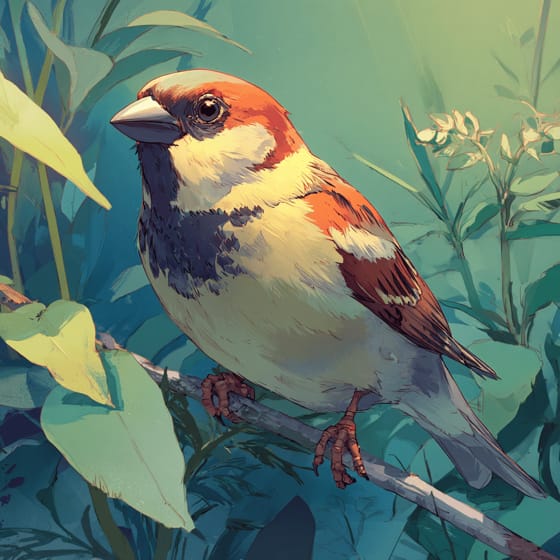
Passer domesticus
Birds are common predators of mantids.
Anolis carolinensis
Lizards often prey on mantids in warmer climates.
Solitary animals live alone for most of their lives, only interacting with others for mating or parental care.
Camouflaged describes organisms that possess coloring or patterns that allow them to blend into their environment.
This trait identifies organisms whose diet primarily consists of insects and other small invertebrates.
An ambush predator hunts by patiently waiting and concealing itself, then launching a sudden attack when unsuspecting prey comes within range.

Forest habitats are terrestrial environments dominated by dense tree cover, supporting a high diversity of plant and animal life.

This trait identifies organisms whose diet consists entirely or primarily of animal tissue.

Describes a species whose presence and role have a disproportionately large effect on its environment.

This trait identifies organisms that exhibit exceptional swiftness in movement for hunting, escape, or travel.
No aliases listed yet.
Danger
1/5 · Very low
Mantids are not harmful, but it's best to observe them from a distance.
The easiest way to identify Mantids is to use the Snappit nature identifier app.
20-150 mm
10-170 mm
180-365 days
Mantids are fierce hunters, eating many different insects and sometimes even larger creatures!
Gardens, forests
Ambush
6
Zoom in to split clusters and explore where this object has been snapped.
Recent snaps will appear here as new observations are added.
Take the discovery with you
Snap it with Snappit to identify it, learn what makes it special, and add the discovery to your collection.









.jpg&width=800)


