_sordidus_(10.3897-zookeys.728.20602)_Figure_9.jpg&width=800)





Philolithus sordidus
Philolithus sordidus
Philolithus sordidus is a unique little insect that loves to hide in the soil. It has a special way of blending in, making it hard to spot! These insects help keep the ground healthy.
Habitat: Forests
The Philolithus sordidus is a medium-sized darkling beetle, typically dull dark brown to black. Its oval-shaped body features rough, granular wing covers (elytra) that are often fused, giving it a textured appearance and helping it blend into its sandy, arid habitats.
Category
InsectsRarity
Common
Danger
1/5 · Very low
Snaps
Be the first to snap!
Baby Philolithus sordidus look like pale, worm-like larvae that live hidden in the soil!
Many darkling beetles, like this one, cannot fly because their wing covers are fused!
They often play 'dead' when threatened, lying perfectly still until the danger passes!
This beetle is mostly active at night, scurrying around under the stars to find food!
Philolithus sordidus has a super tough exoskeleton that helps them survive bumps and bites from predators in harsh environments.
Philolithus sordidus can survive in dry, arid places because their sturdy bodies help them conserve precious water.
Philolithus sordidus can break down dead plants and other organic matter, helping return nutrients to the soil.
This beetle helps nature's cleanup crew by munching on decaying plants and organic bits.
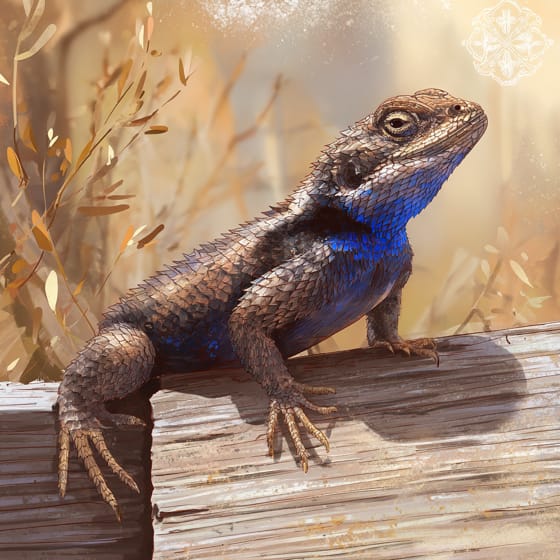
Sceloporus occidentalis
A common desert lizard often preys on these beetles.
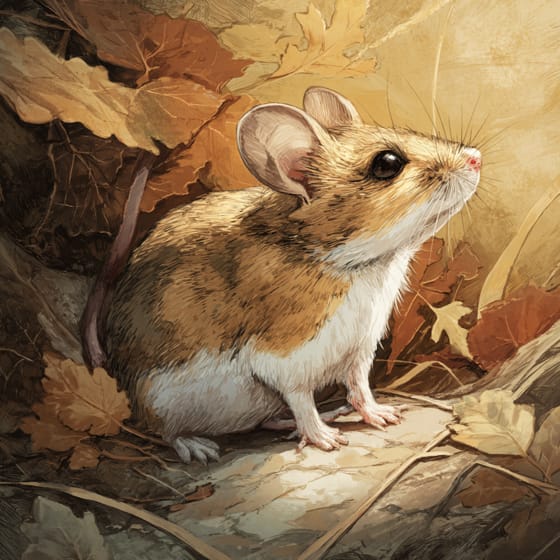
Peromyscus maniculatus
Small rodents forage for these beetles, especially at night.
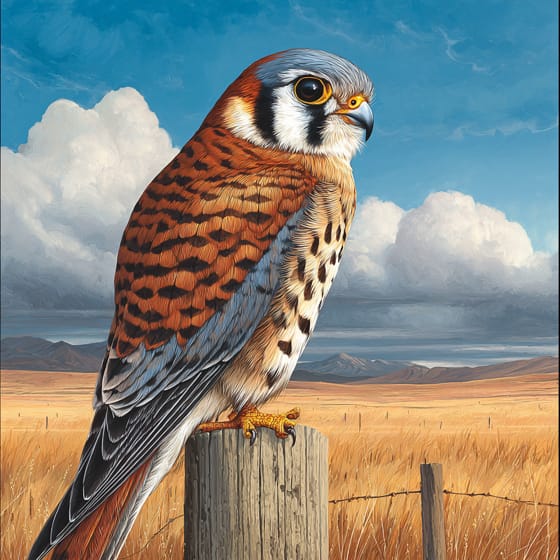
Falco sparverius
These small falcons will snatch beetles from open ground.
Solitary animals live alone for most of their lives, only interacting with others for mating or parental care.
Camouflaged describes organisms that possess coloring or patterns that allow them to blend into their environment.
Describes organisms that break down dead organic material, recycling nutrients back into the ecosystem.
Forest habitats are terrestrial environments dominated by dense tree cover, supporting a high diversity of plant and animal life.

Describes a species whose presence and role have a disproportionately large effect on its environment.

Pertaining to species that are significantly smaller than typical or average for their kind.

Describes organisms that transfer pollen, enabling the fertilization and reproduction of plants.
No aliases listed yet.
Danger
1/5 · Very low
It's best to observe insects from a distance and not touch them, as they can be delicate.
The easiest way to identify Philolithus sordidus is to use the Snappit nature identifier app.
5-10 mm
90-365 days
This beetle helps nature's cleanup crew by munching on decaying plants and organic bits.
Forests
Foraging
6
Zoom in to split clusters and explore where this object has been snapped.
Recent snaps will appear here as new observations are added.
Take the discovery with you
Snap it with Snappit to identify it, learn what makes it special, and add the discovery to your collection.









.jpg&width=800)


